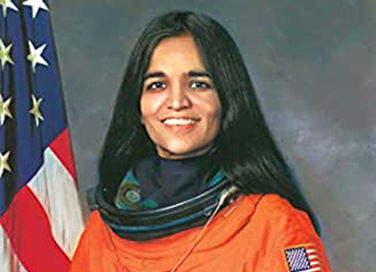
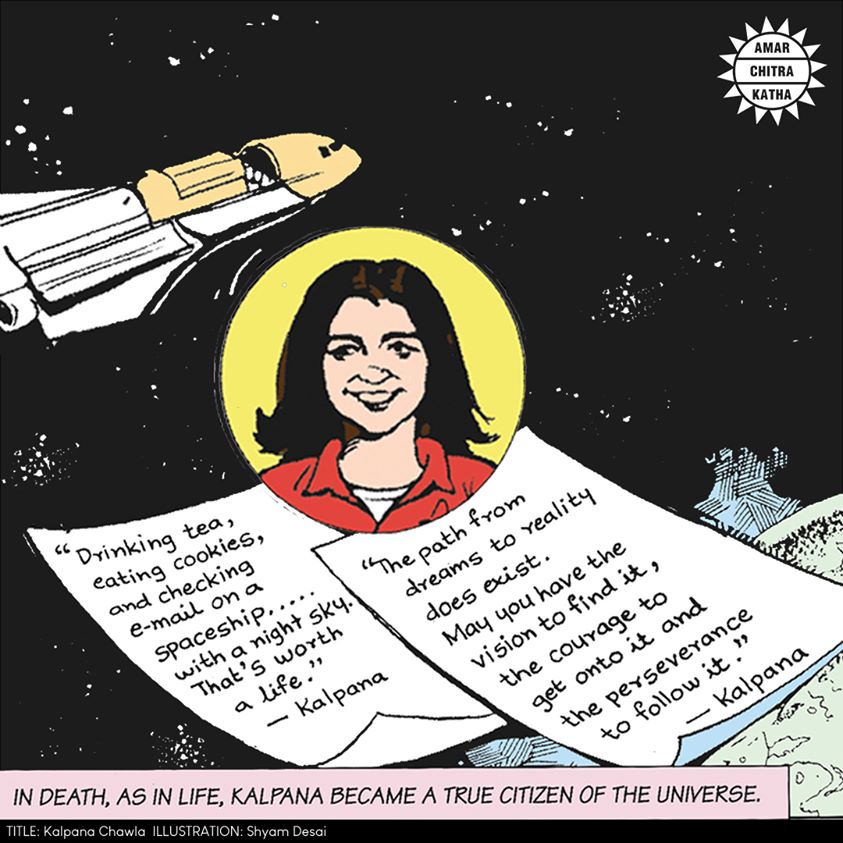
#OnThisDay in 2003, Space Shuttle Columbia burst into flames, over the state of Texas, a mere 16 minutes before landing time. The seven astronauts onboard, including the brave Indian-origin astronaut, Kalpana Chawla, met a tragic end that fateful day.
The dead linger as ancestors for a short period after death, and later traverse into heaven uniting with the Supreme Being. Here, they look after their earthly family and shower them with their blessings for all of eternity. At least, this is what the Ahom community of Assam believes.
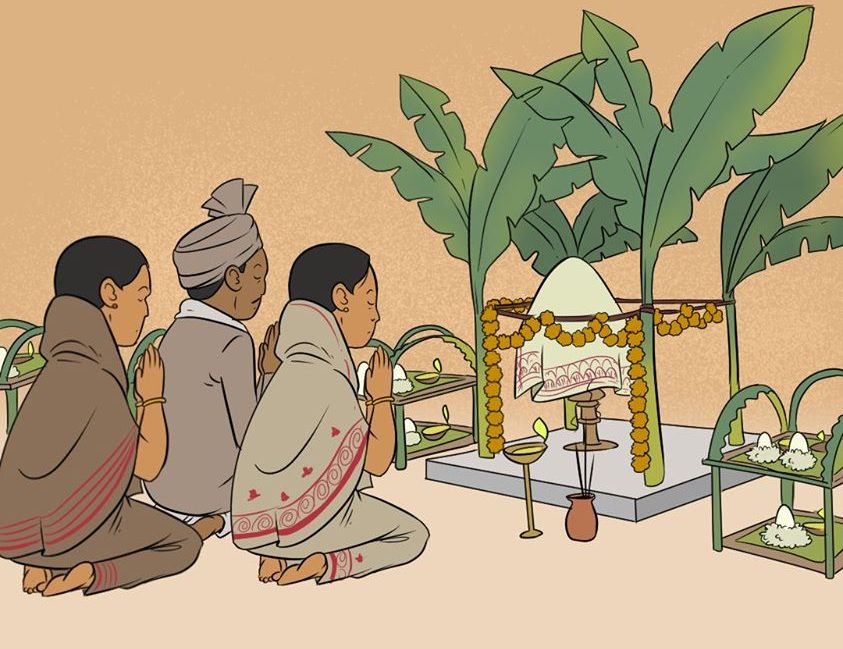
Me-Dam Me-Phi is a community festival celebrated by the Ahom people for over 400 years, in memory of their dearly departed. ‘Me’ means offering, ‘Dam’ means ancestors and ‘Phi’ means god.
The festival is celebrated privately by families in their kitchen and publicly by the community at Charaideo, Assam, which was the burial site for the kings of the Ahom dynasty in the 13th century. As a part of the rituals, a special pillar called ‘Damkhuta’ is set up, which serves as the focal point of the offerings. Delicacies such as homemade wine, mah-prasad (beans and chickpeas), and rice with egg, meat and fish are offered.
Every year, January 31st is observed as a state holiday in Assam on the occasion of Me-Dam Me-Phi.
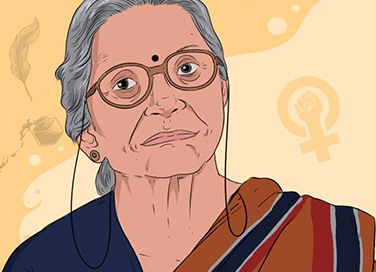
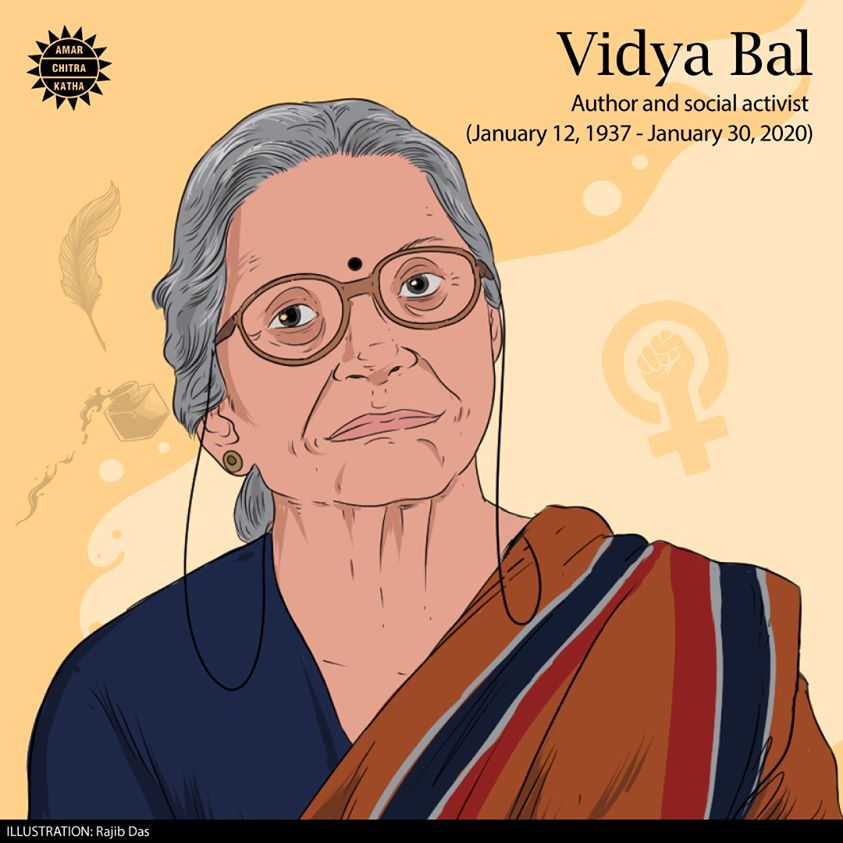
Celebrated author and social activist, the inimitable Vidya Bal was one of the leading champions of women’s rights in India. She will always be remembered for setting up the Nari Samata Manch back in 1982, a political advocacy group dedicated to fighting for women’s rights and gender equality in India.
In 1989, she began publishing the Marathi monthly magazine, Miloon Saryajani, that took her fight for feminism and gender parity many steps further. She spent the bulk of her life fighting legal battles for women from all walks of life, with a great degree of success. Her most notable legal battles revolved around stopping gender discrimination at places of worship and allowing women entry into said places. Ms. Bal passed away on January 30, 2020, at a private nursing home in Pune.
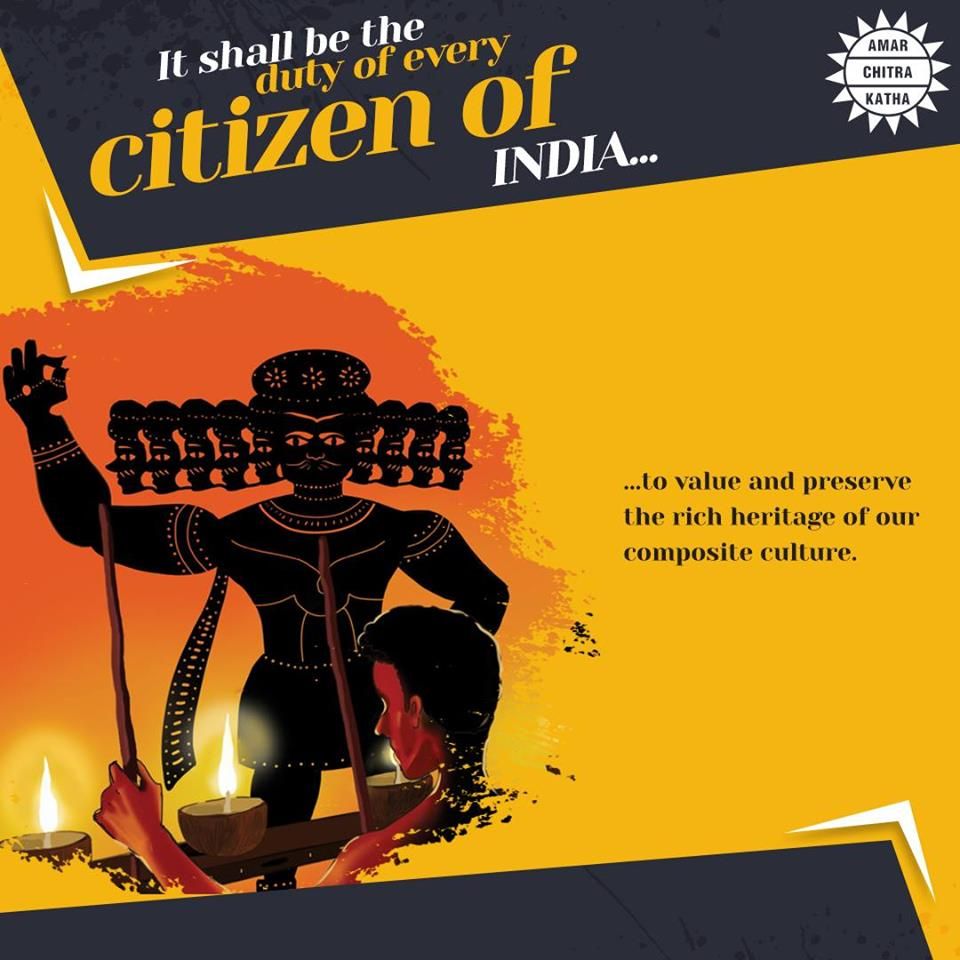
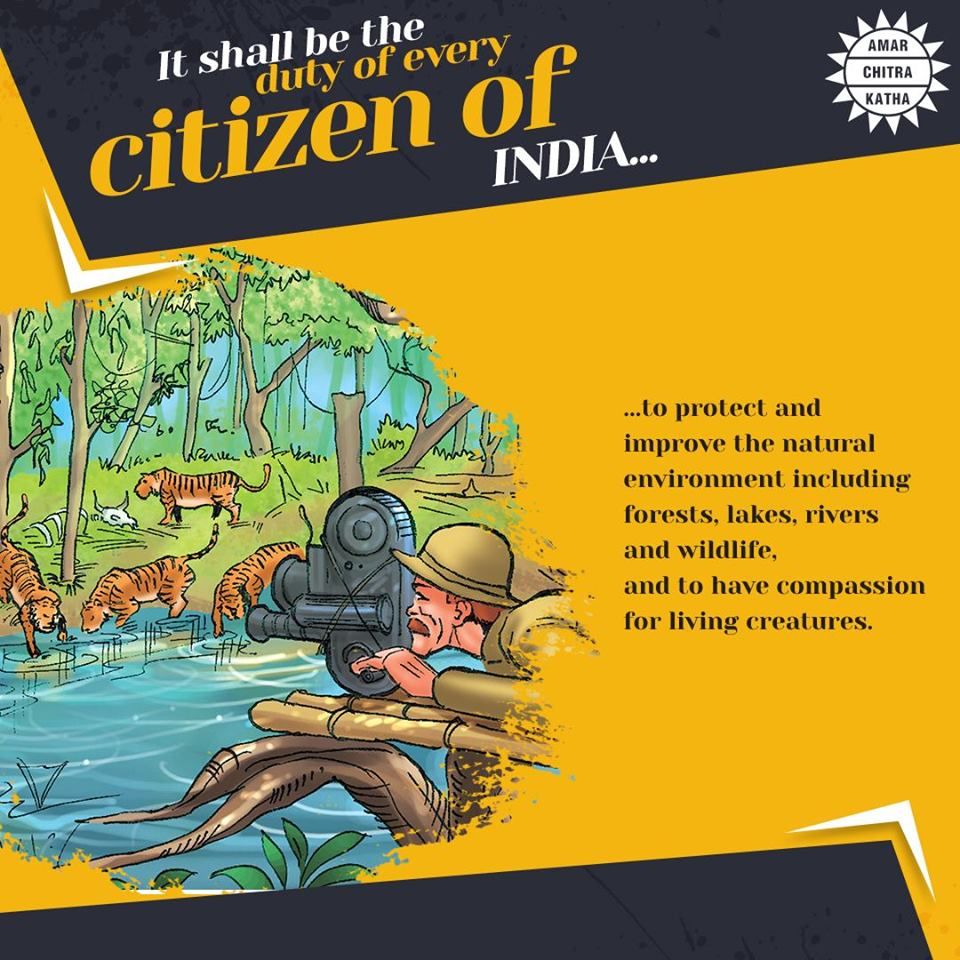
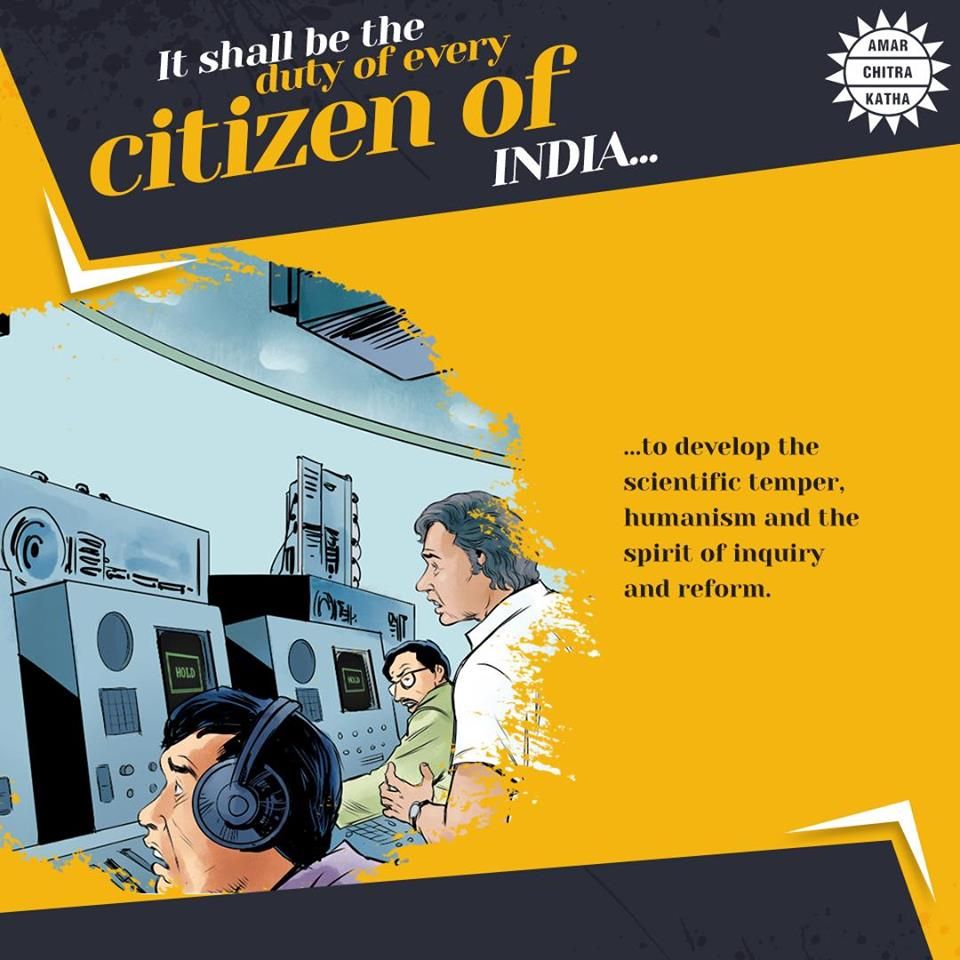
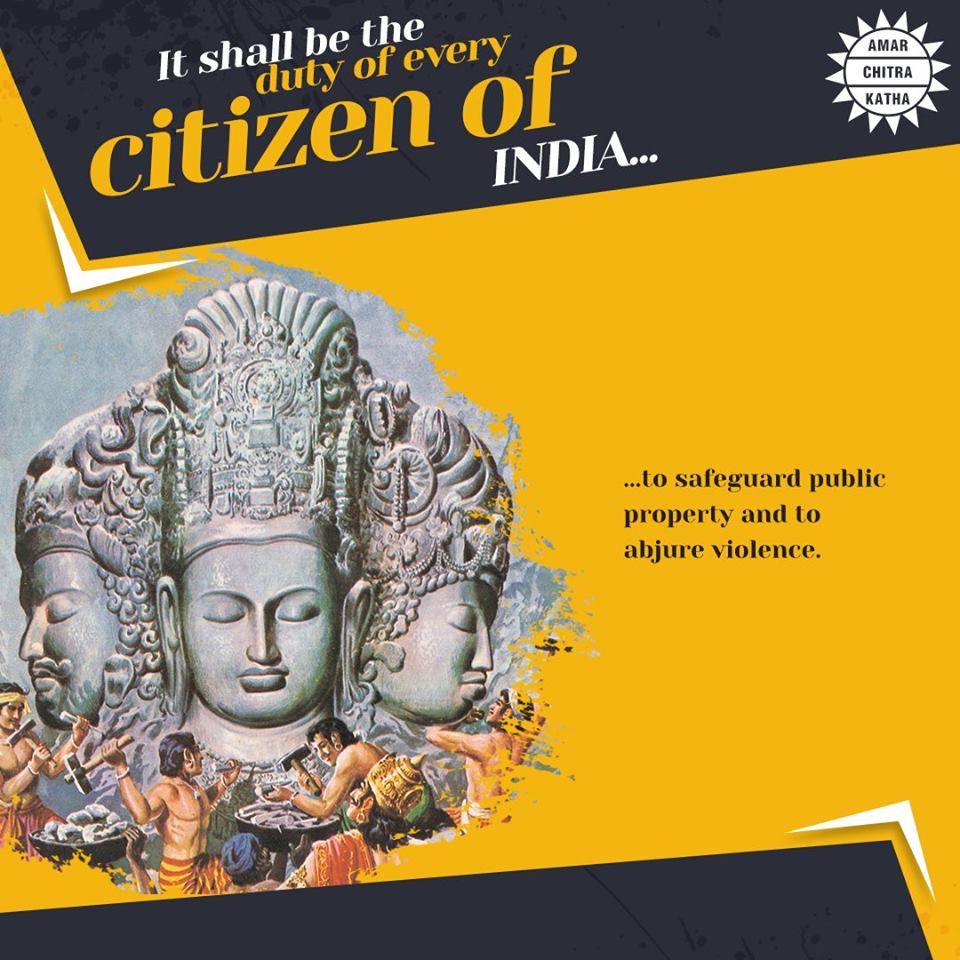
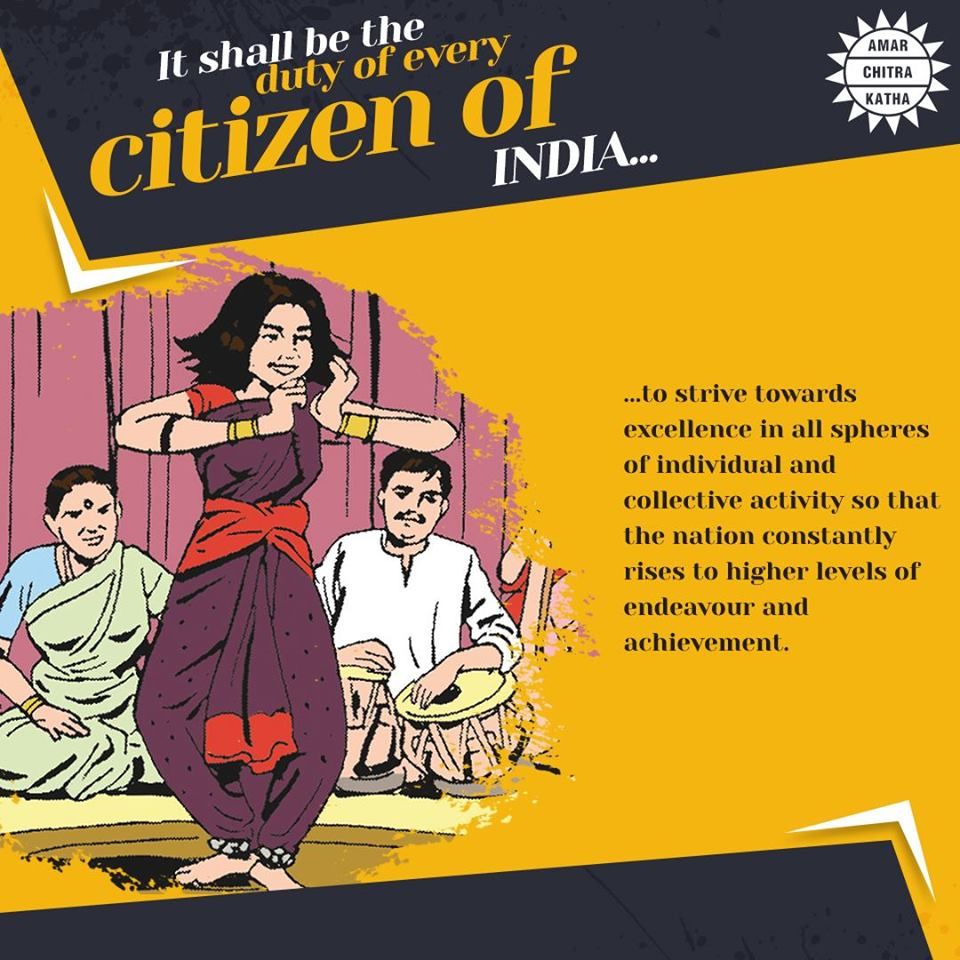
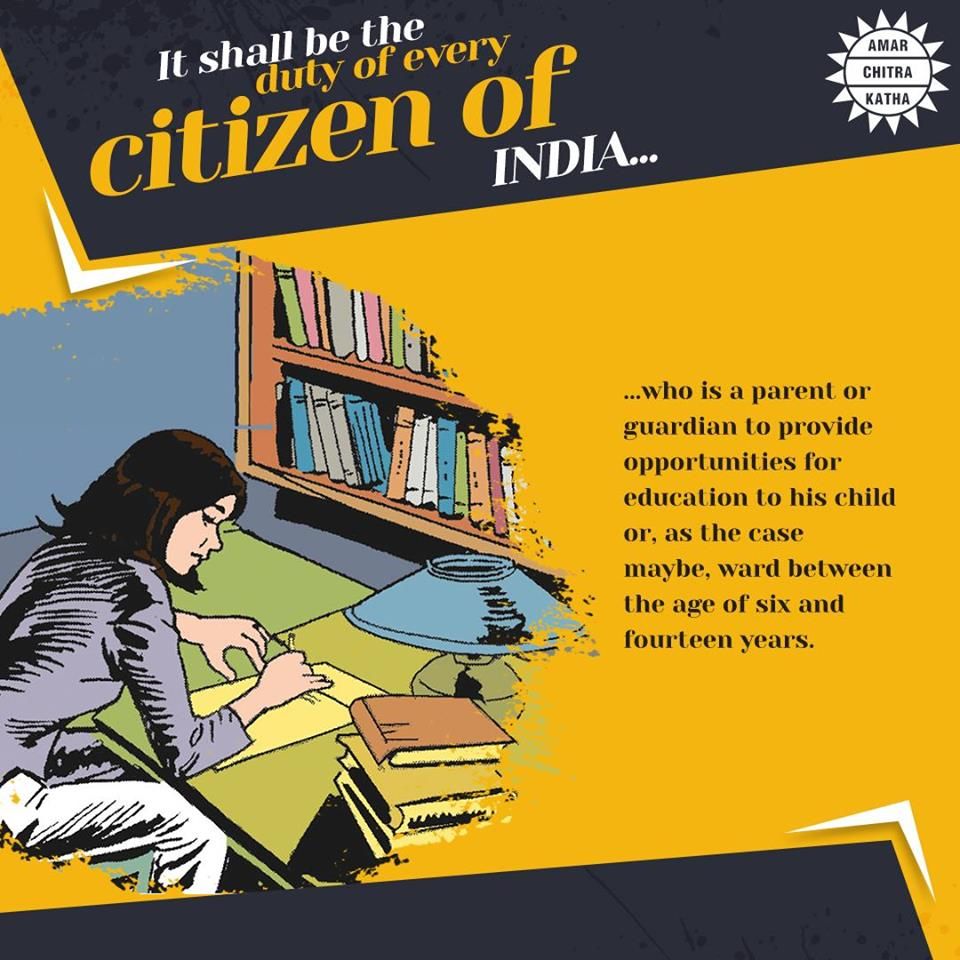
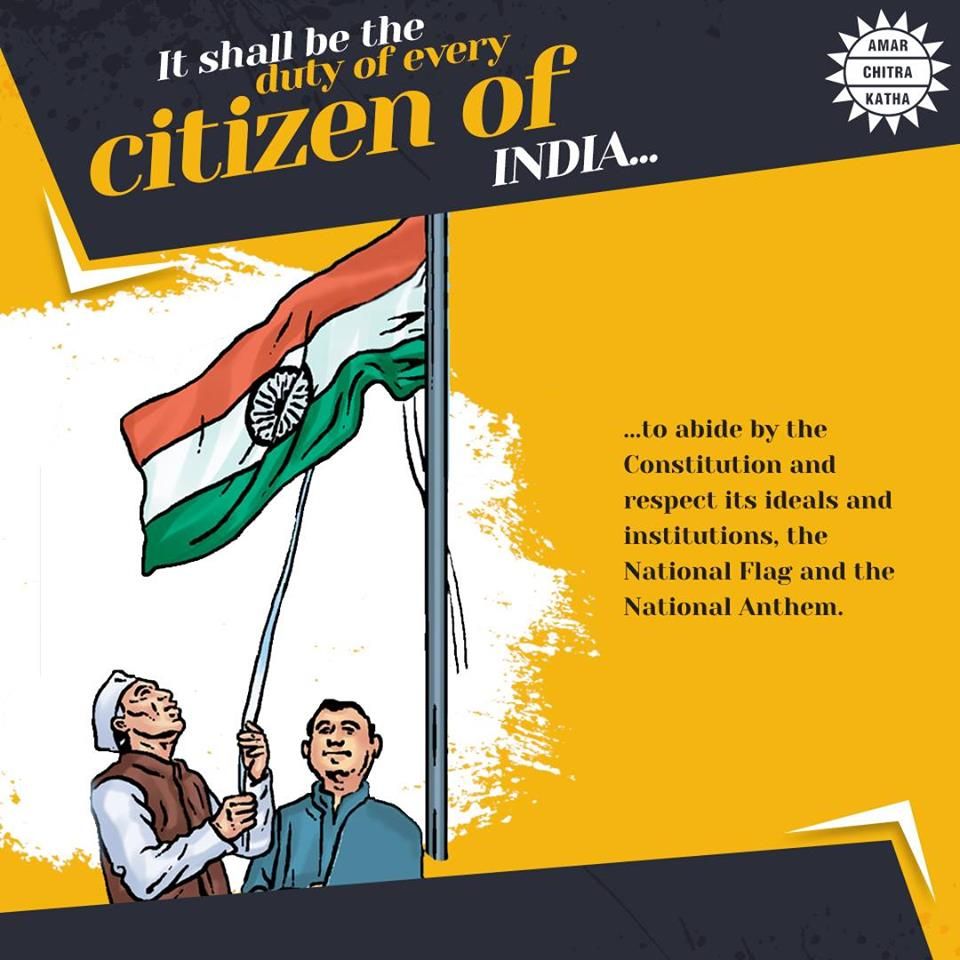
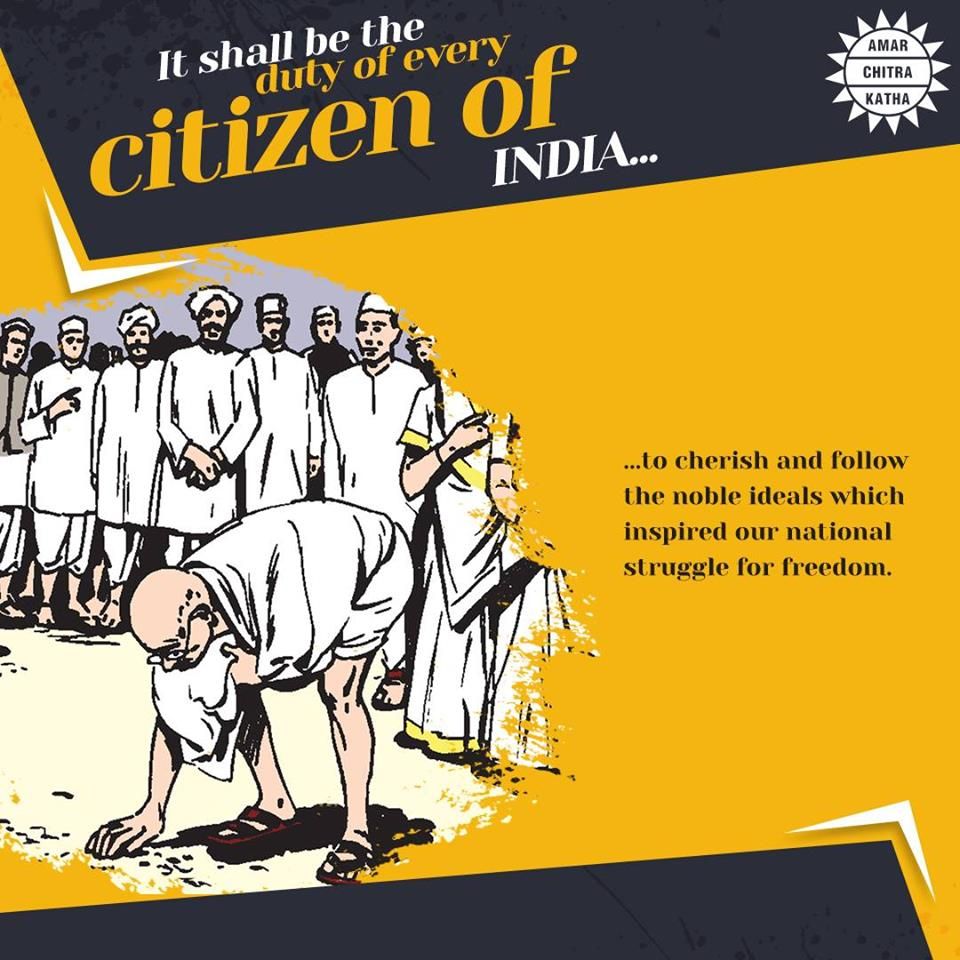
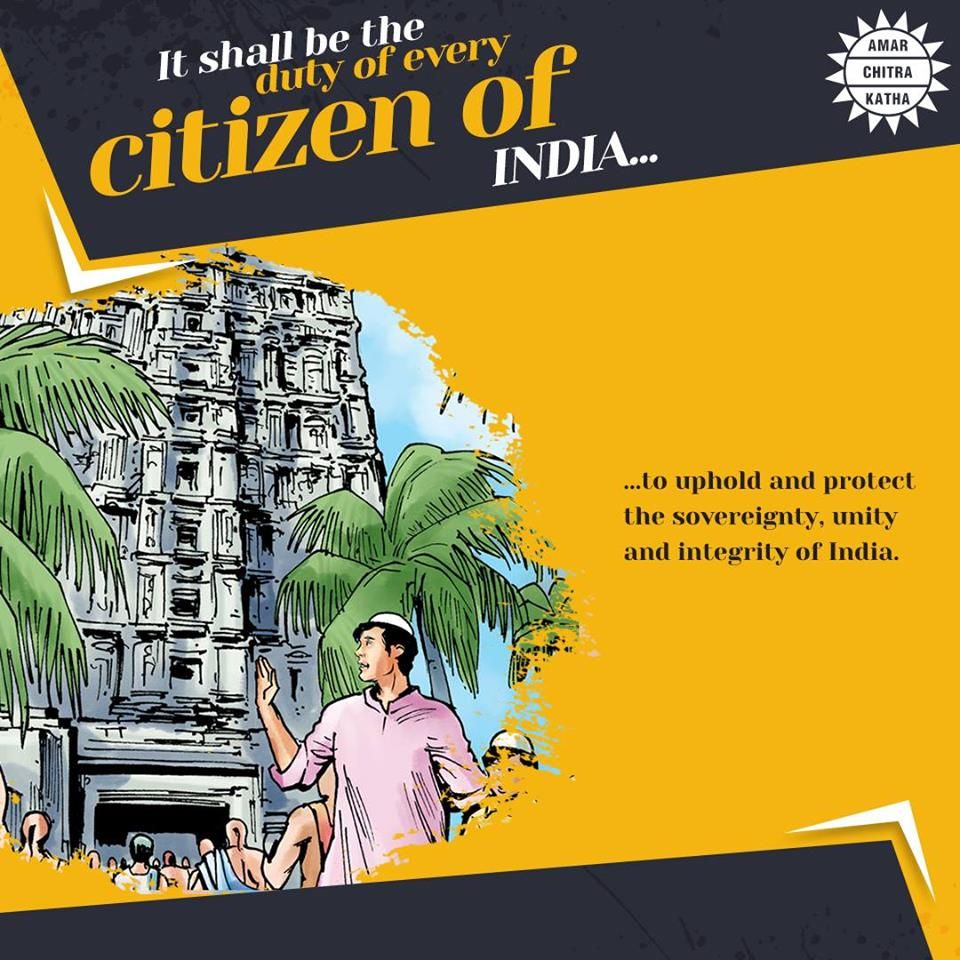
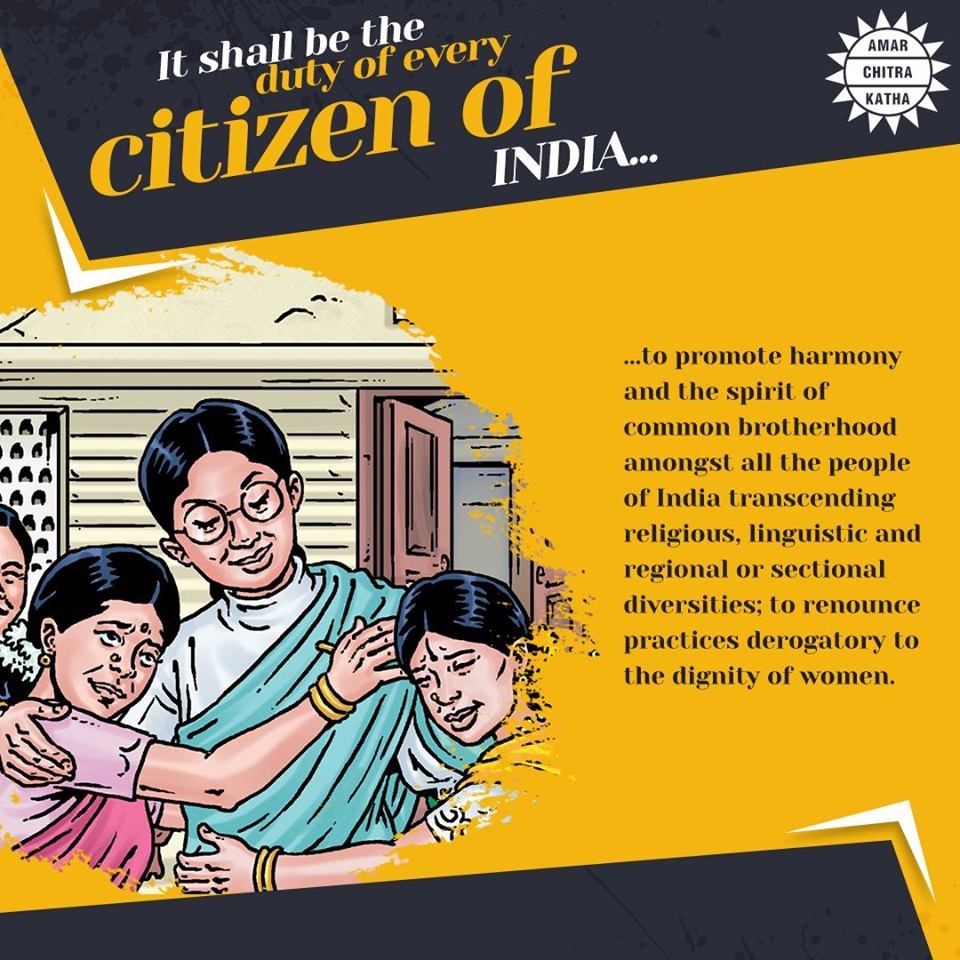
Before we celebrate Republic Day this weekend, let’s take a moment to revisit the fundamental duties of every Indian citizen as prescribed in the Constitution of India. If you exercise your fundamental rights, you are beholden to these duties as well.
Read the story of Babasaheb Ambedkar who drafted the constitution here:
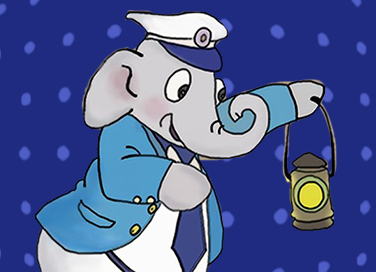
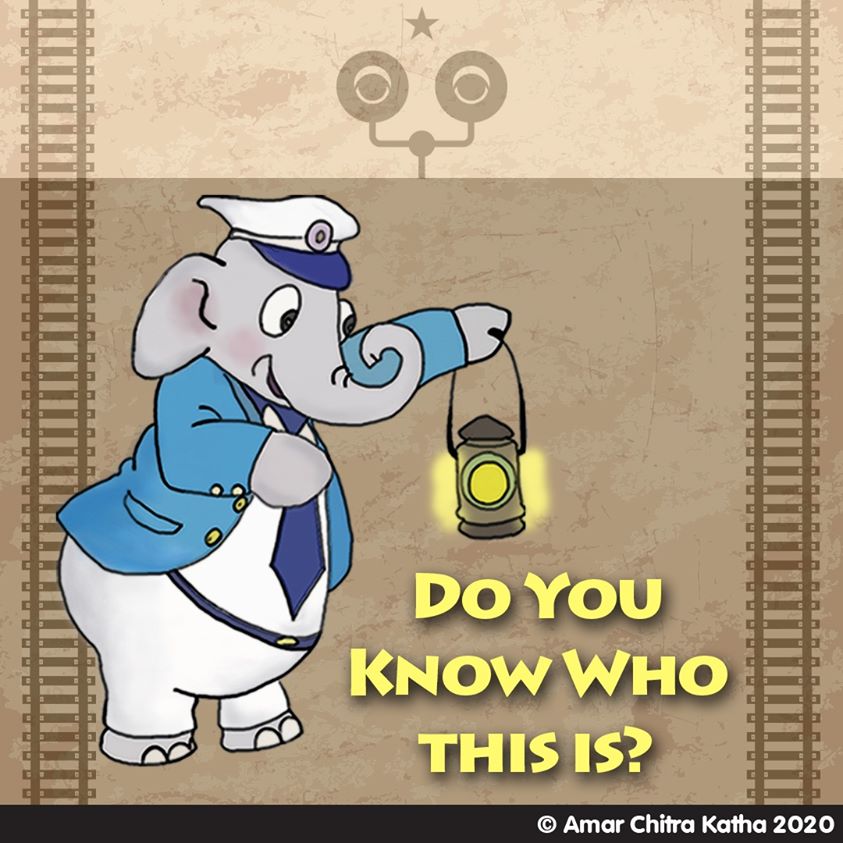
Meet Bholu, the official mascot of the Indian Railways. Bholu was created in 2002 as part of the Indian Railways’ 150th anniversary celebrations. He was officially adopted as their mascot the following year. The friendly elephant was designed at the National Institute of Design in Bengaluru.
When officials were asked the reason for selecting an elephant as their mascot, they replied that Bholu’s a cheerful icon who stands for being ethical, responsible, sincere, and stable. His size also represents the huge workforce of the Indian Railways. That makes sense to us, given that the Indian Railways is the ninth-largest employer in the world with about 1.4 million employees!
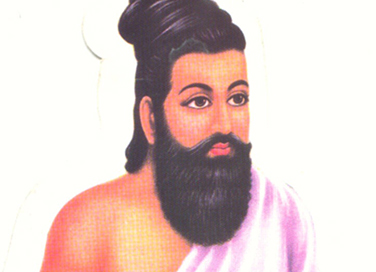
Thiruvalluvar was a celebrated Tamil poet and philosopher. Even today, he is widely revered and appreciated as one of the greatest writers of all time, and his classic Tamil text, Thirukkural, is considered one of the most widely translated non-religious works in the world.
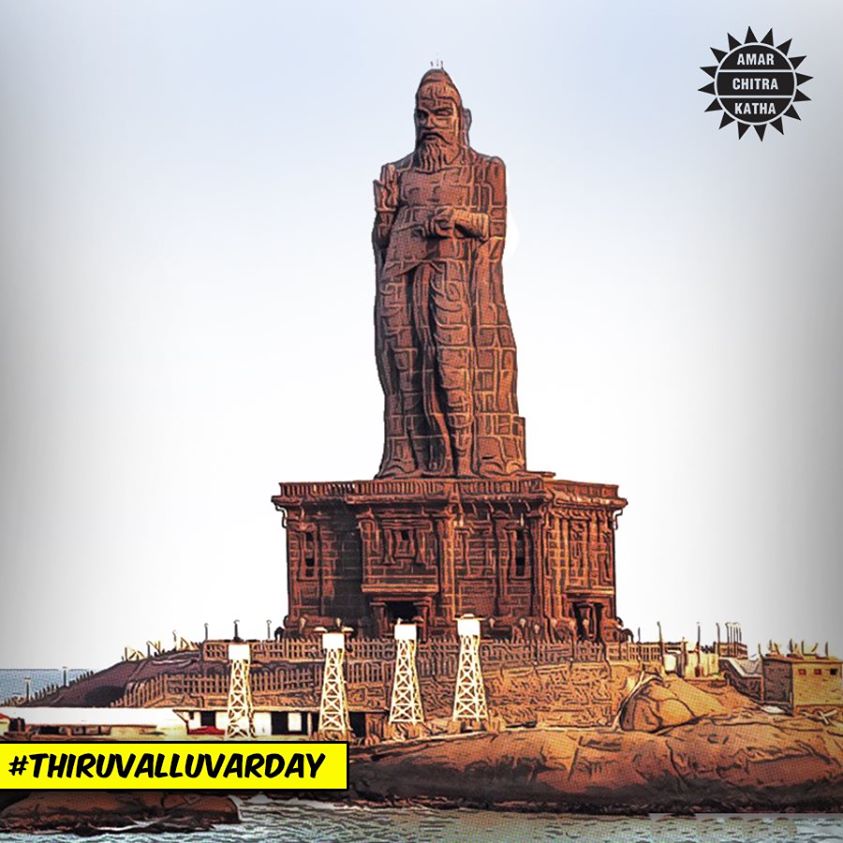
There is a 133-feet tall statue of Thiruvalluvar at Kanyakumari, the southern tip of the Indian subcontinent, where the Arabian Sea, the Bay of Bengal, and the Indian Ocean meet. The number 133 also denotes the 133 chapters or athikarams of the Tirukkuṛaḷ. The statue depicts a bearded Thiruvalluvar standing with three fingers of his right hand pointing skyward. This denotes the three themes of the Kural; Aram, Porul, and Inbam, roughly translated as virtue, wealth and love.
In honour of the great poet, the government of Tamil Nadu celebrates January 15th as Thiruvalluvar Day every year as a part of Pongal celebrations. On leap years, celebrations are shifted by one day to January 16th.
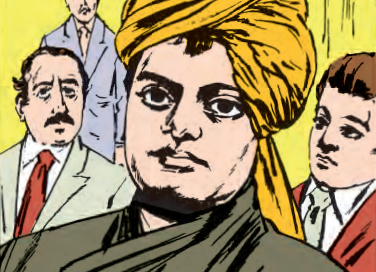
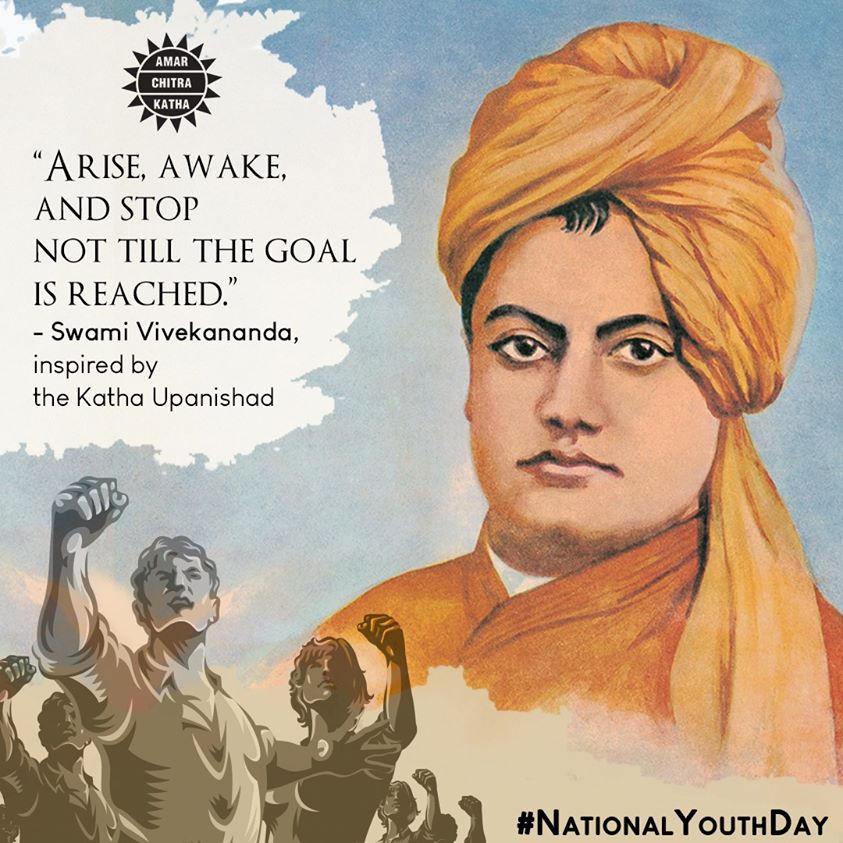
“Arise, awake and stop not till the desired end is reached. Be not afraid, for all great power, throughout the history of humanity, has been with the people. From out of their ranks have come all the greatest geniuses of the world, and history can only repeat itself. Be not afraid of anything. You will do marvellous work. The moment you fear, you are nobody. It is fear that is the great cause of misery in the world. It is fear that is the greatest of all superstitions. It is fear that is the cause of our woes, and it is fearlessness that brings heaven even in a moment. Therefore, “Arise, awake, and stop not till the goal is reached.”
Swami Vivekananda was a monk, an orator, a preacher, and a patriot who devoted his life for India and its people. The above quote is an excerpt from the iconic speech the guru made on his return from the Parliament of Religions to his hometown of Calcutta. Swami Vivekananda had immense faith in the youth of the nation. He firmly believed that the nation’s youth holds the key to solve various issues faced by India. This is why his birth anniversary, January 12th, is also celebrated as National Youth Day.
Have you read Amar Chitra Katha’s Vivekananda? Buy it here:
From the Western Ghats mountain range to the Great Himalayan National Park, from the hill forts of Rajasthan to monuments of Hampi, and from the Sun Temple of Konark to the churches and convents of Goa, UNESCO has identified 38 World Heritage Sites in India. We have the sixth-largest number of heritage sites in the world. These sites are of cultural, natural, and historical importance, and are legally protected by international treaties.
Here is the complete list.
Agra Fort
Ajanta Caves
Archaeological Site of Nalanda Mahavihara at Nalanda, Bihar
Buddhist Monuments at Sanchi
Champaner-Pavagadh Archaeological Park
Chhatrapati Shivaji Terminus
Churches and Convents of Goa (a set of religious monuments located in Goa Velha or Old Goa)
Elephanta Caves
Ellora Caves
Fatehpur Sikri
Great Living Chola Temples
Group of Monuments at Hampi
Group of Monuments at Mahabalipuram
Group of Monuments at Pattadakal
Hill Forts of Rajasthan
Historic City of Ahmedabad
Humayun’s Tomb, Delhi
Jaipur City, Rajasthan
Khajuraho Group of Monuments
Mahabodhi Temple Complex at Bodh Gaya
Mountain Railways of India
Qutb Minar and its Monuments, Delhi
Rani-ki-Vav (the Queen’s Stepwell) at Patan, Gujarat
Red Fort Complex
Rock Shelters of Bhimbetka
Sun Temple, Konârak
Taj Mahal
The Architectural Work of Le Corbusier, an Outstanding Contribution to the Modern Movement
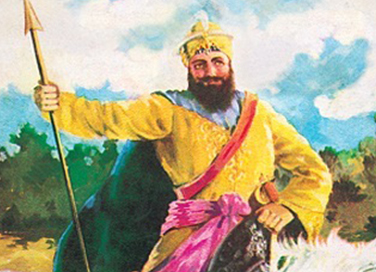
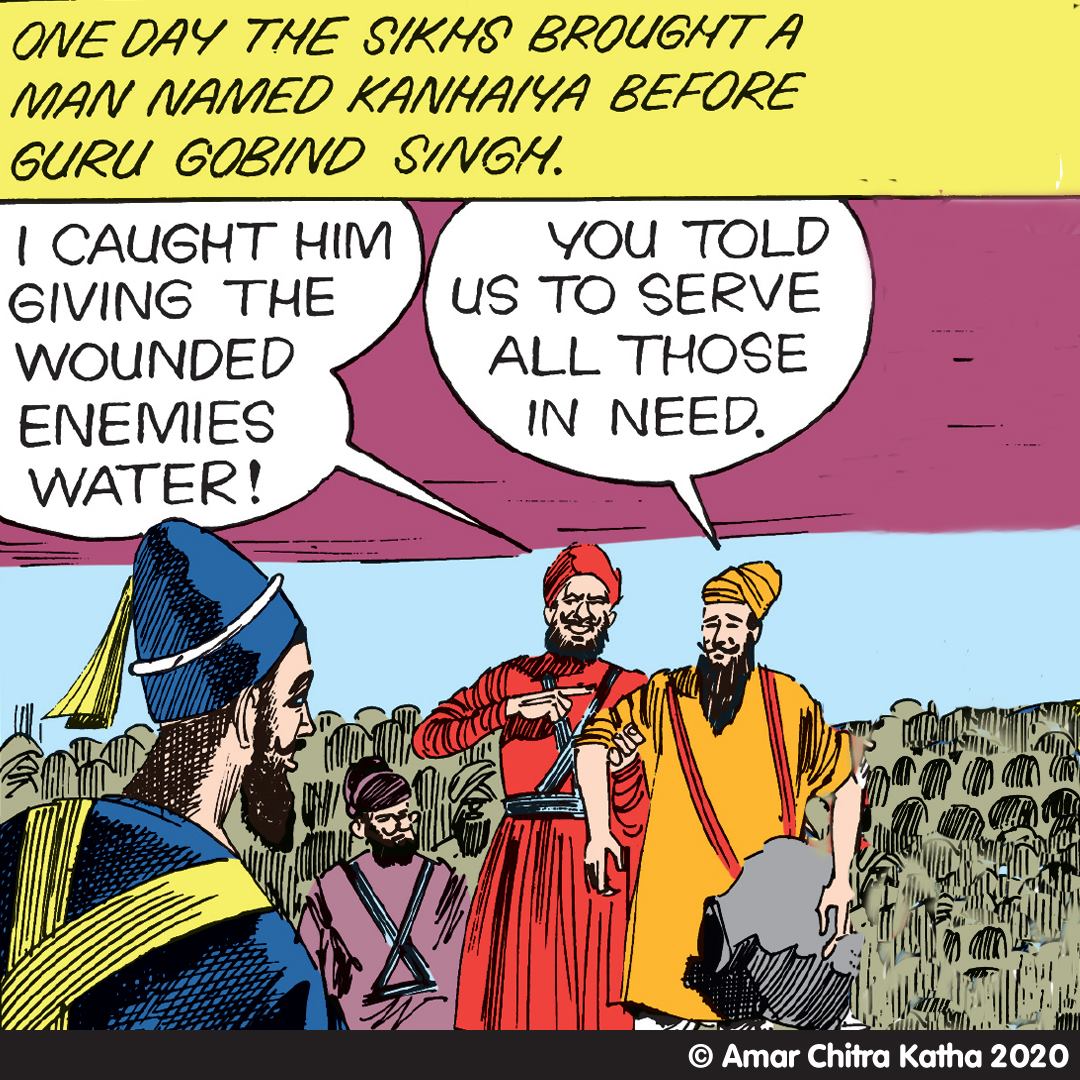
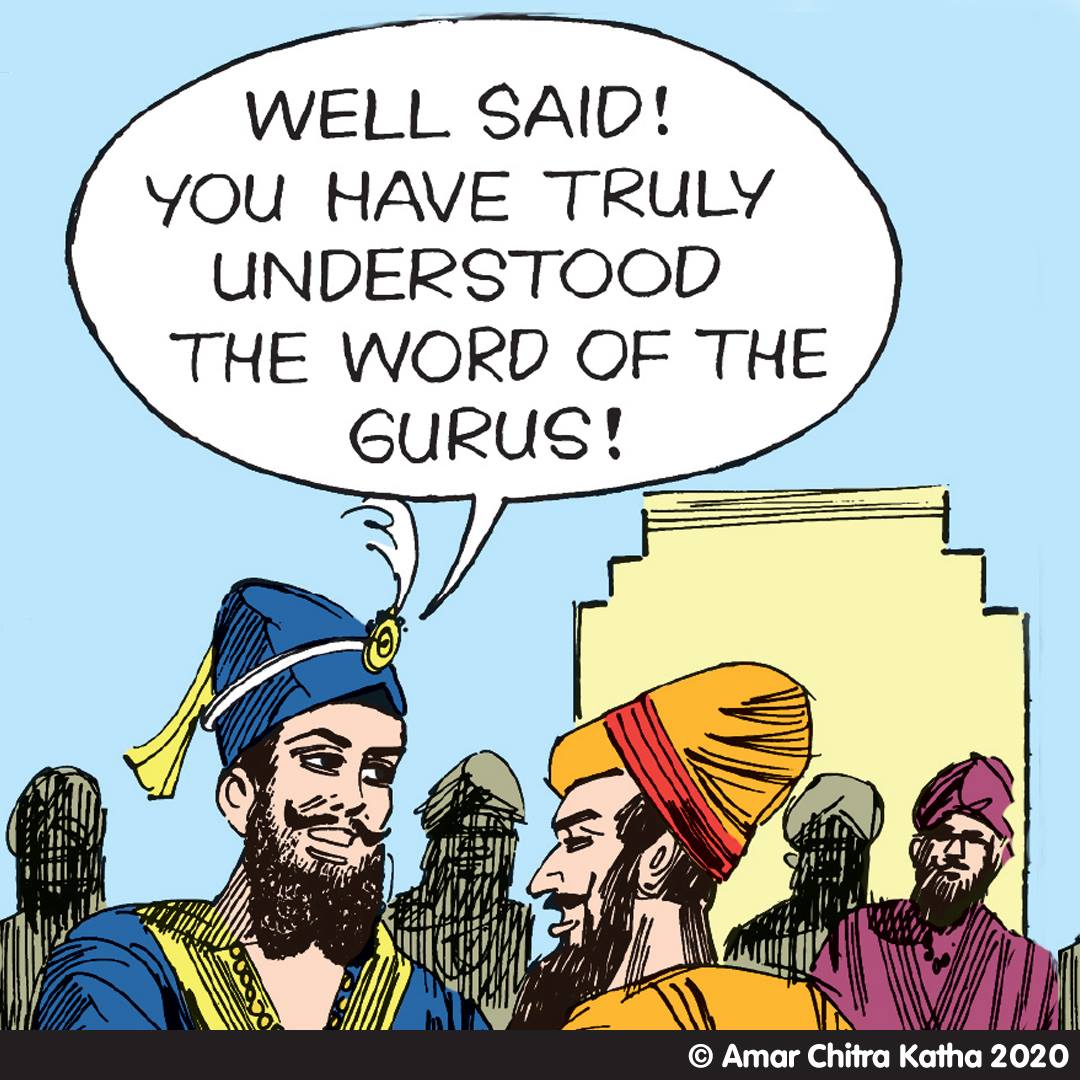
The tenth and the last Sikh Guru, Guru Gobind Singh, was a warrior, poet, spiritual master, and philosopher. He founded the Khalsa community in 1699 and laid down Sikhism’s holy book, the Guru Granth Sahib. One of the many teachings of Guru Gobind Singh, as written in the Granth, is –
“One who performs selfless service, without thought of reward, shall attain his Lord and Master.“ – Guru Granth Sahib 286
While the Guru’s birthday is on December 22nd as per the Gregorian calendar, Guru Gobind Singh Jayanti is celebrated on his birthday as per the Nanakshahi calendar, which usually happens in either December or January. In 2021, it will be celebrated on January 20th.
Amar Chitra Katha’s ‘Guru Gobind Singh’ is available on the Amar Chitra Katha app as well as Amazon, Flipkart and other major e-tailers.