


Sacred Rivers, Earthly Guardians
- September 28, 2026

Sacred Rivers, Earthly Guardians
- September 28, 2026
by Keya Gupta
Every year on the fourth Sunday of September, we mark World Rivers Day. But in India, no one really needs a reminder to think of rivers with reverence. Long before there were water treatment plants or environment ministries, there were mothers. Ganga, Narmada, Kaveri: not simply resources to draw from, but goddesses who gave, and who are owed something in return. Yet, many of these divine rivers are struggling due to pollution, shrinking forests and drying flows.
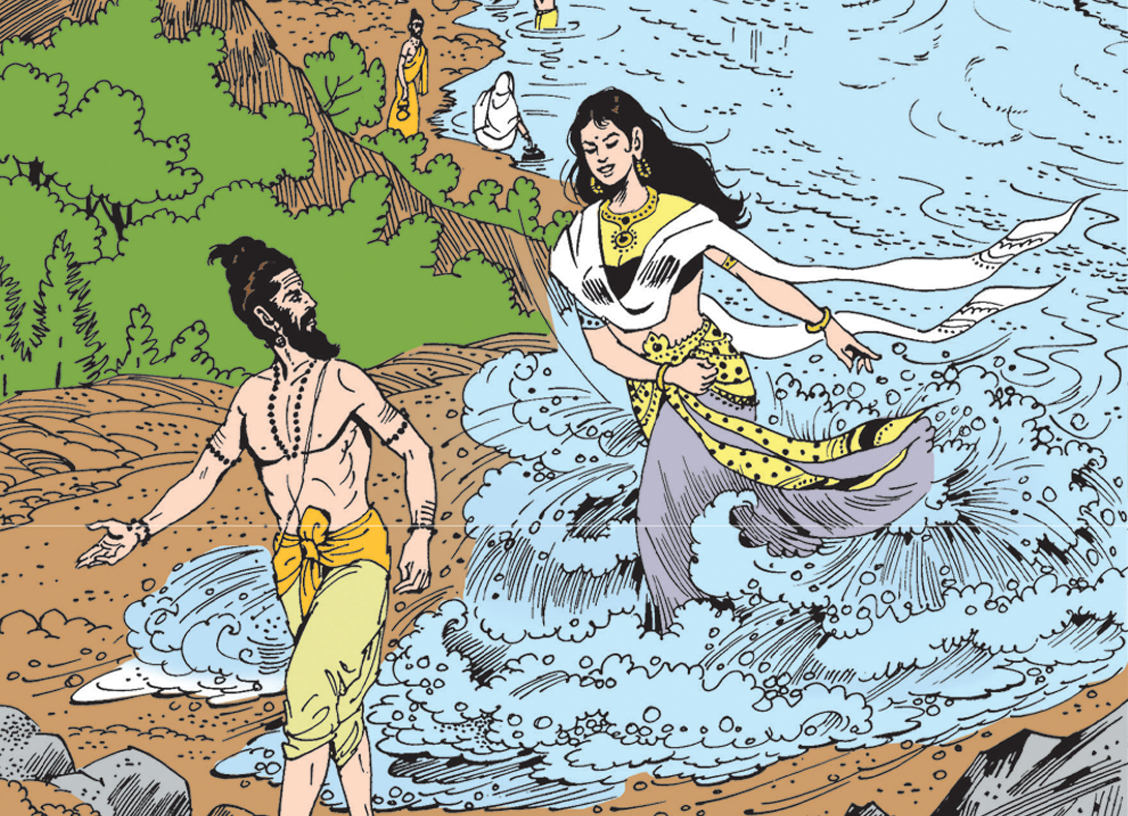
Long ago, King Sagara’s 60,000 sons lay reduced to ash, cursed by a sage’s anger, their souls unable to find peace. Only the waters of the heavenly Ganga, it was said, could wash them clean and set them free. For generations, the kings of that line prayed for her descent, but it was Bhagiratha who finally won her favour, after years of penance. Ganga agreed, but her descent threatened to shatter the earth beneath the force of her fall. So, Lord Shiva stepped forward and caught her in his matted hair, breaking her plunge into gentle streams that would nourish rather than destroy. In this way, a river meant to save the dead became the river that has sustained the living ever since.
To receive more such stories in your Inbox & WhatsApp, Please share your Email and Mobile number.
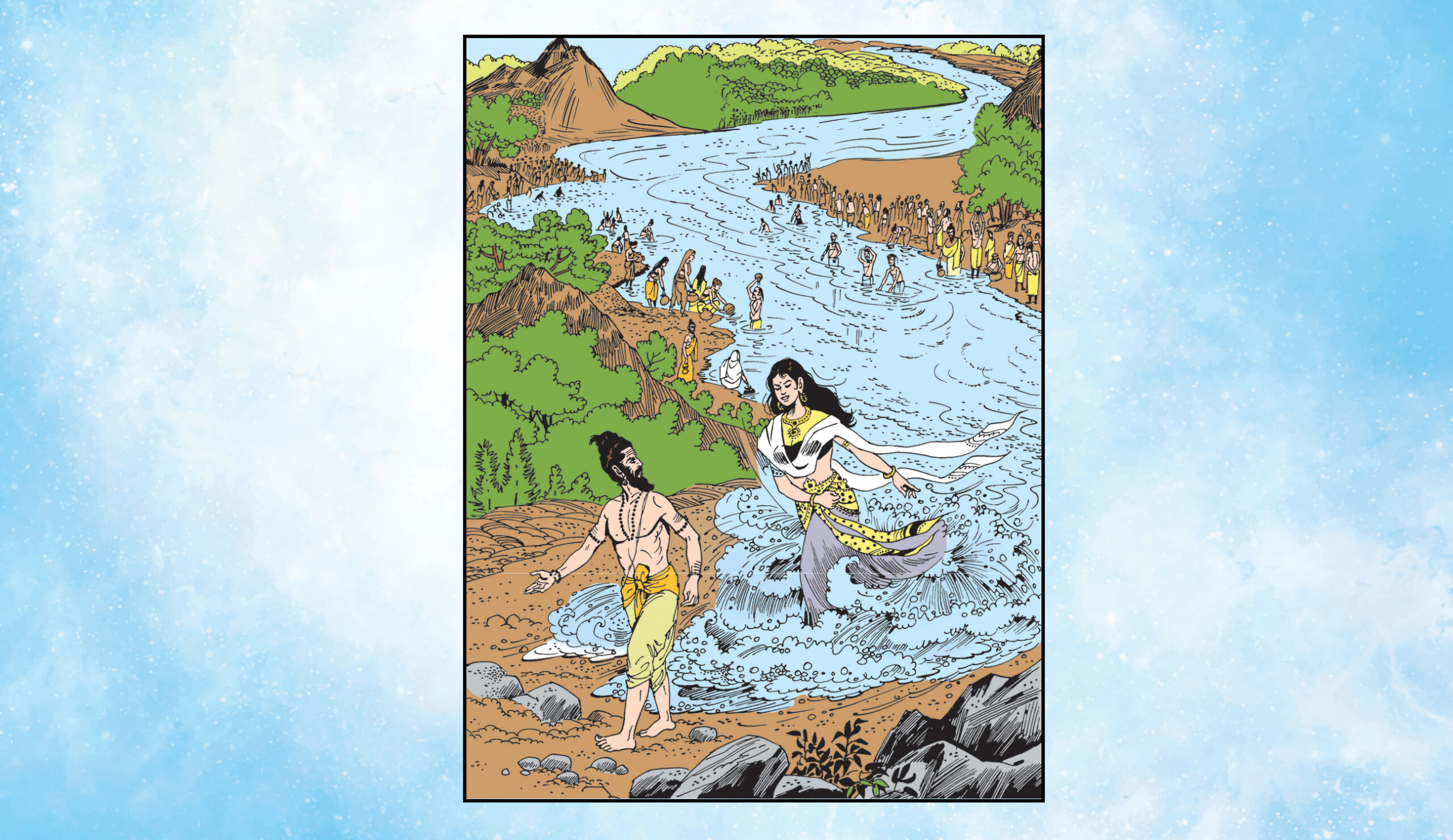
Today, that same river carries the weight of the cities and industries that have grown along her banks, her waters strained by sewage and industrial discharge even as millions still turn to her for blessing and belief. But conservation efforts have been underway. Under the Namami Gange programme, more than 140 sewage treatment plants have risen along her course and over 50,000 hectares of forest have been planted on her banks. The river’s dolphins are a sign of recovery. A study by the Wildlife Institute of India found that their numbers had grown from about 3,330 in 2018 to about 3,936 in 2024. But industrial discharge and plastic waste remain serious problems in urban stretches.
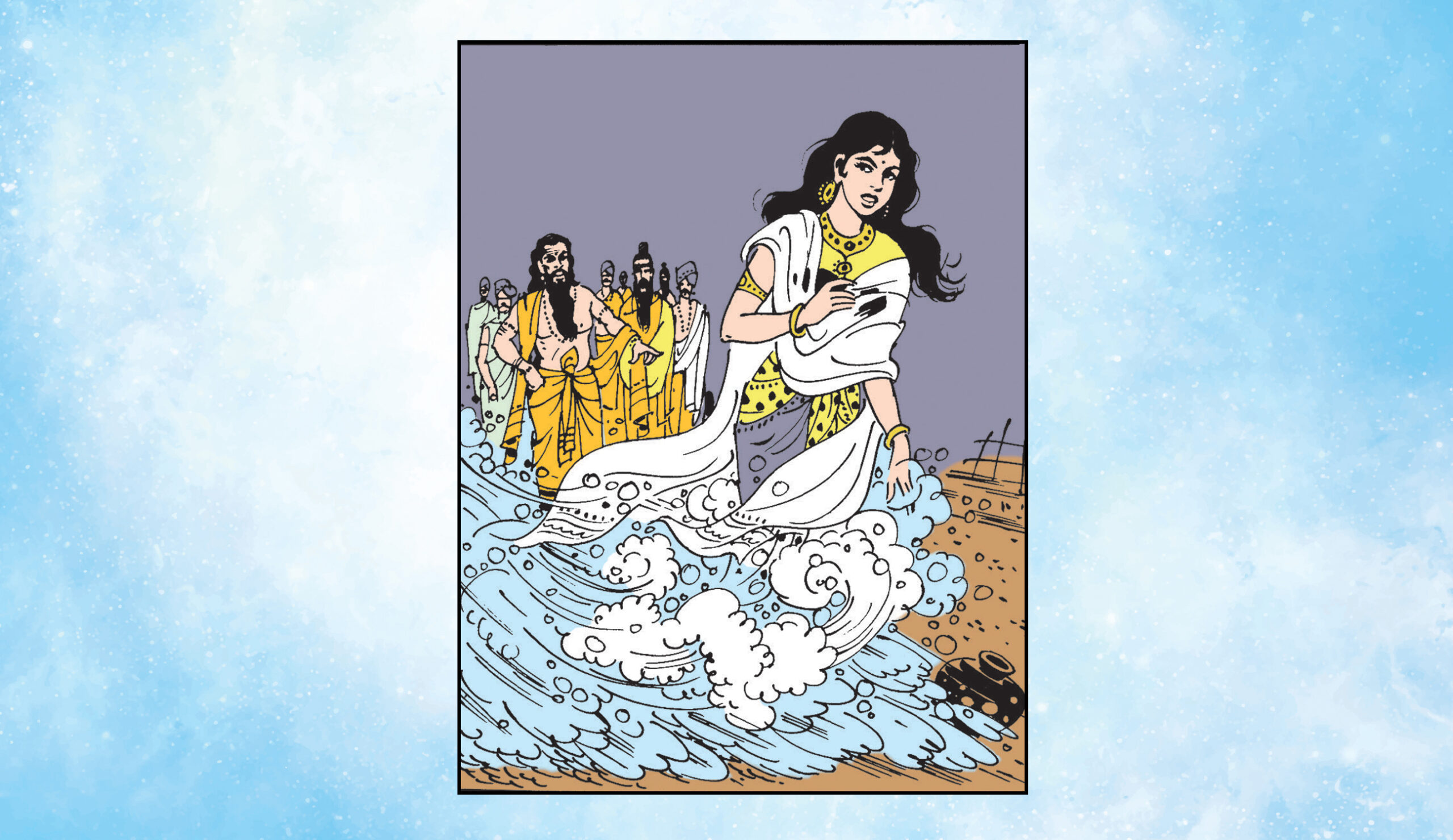
Where the Ganga fell from the heavens, the Narmada rose from the earth itself. As Lord Shiva sat deep in meditation at Amarkantak, his penance so intense that it filled him with unbearable heat, drops of his sweat are said to have fallen to the ground and formed a river, one that flowed out gentle and cool. She became known as his daughter, given the name Narmada. The smooth round stones found along her banks are said to be shivalingas, so people say that every pebble of the Narmada is Shiva. Unlike other great rivers, she does not flow out of a distant glacier but from the forests around her.
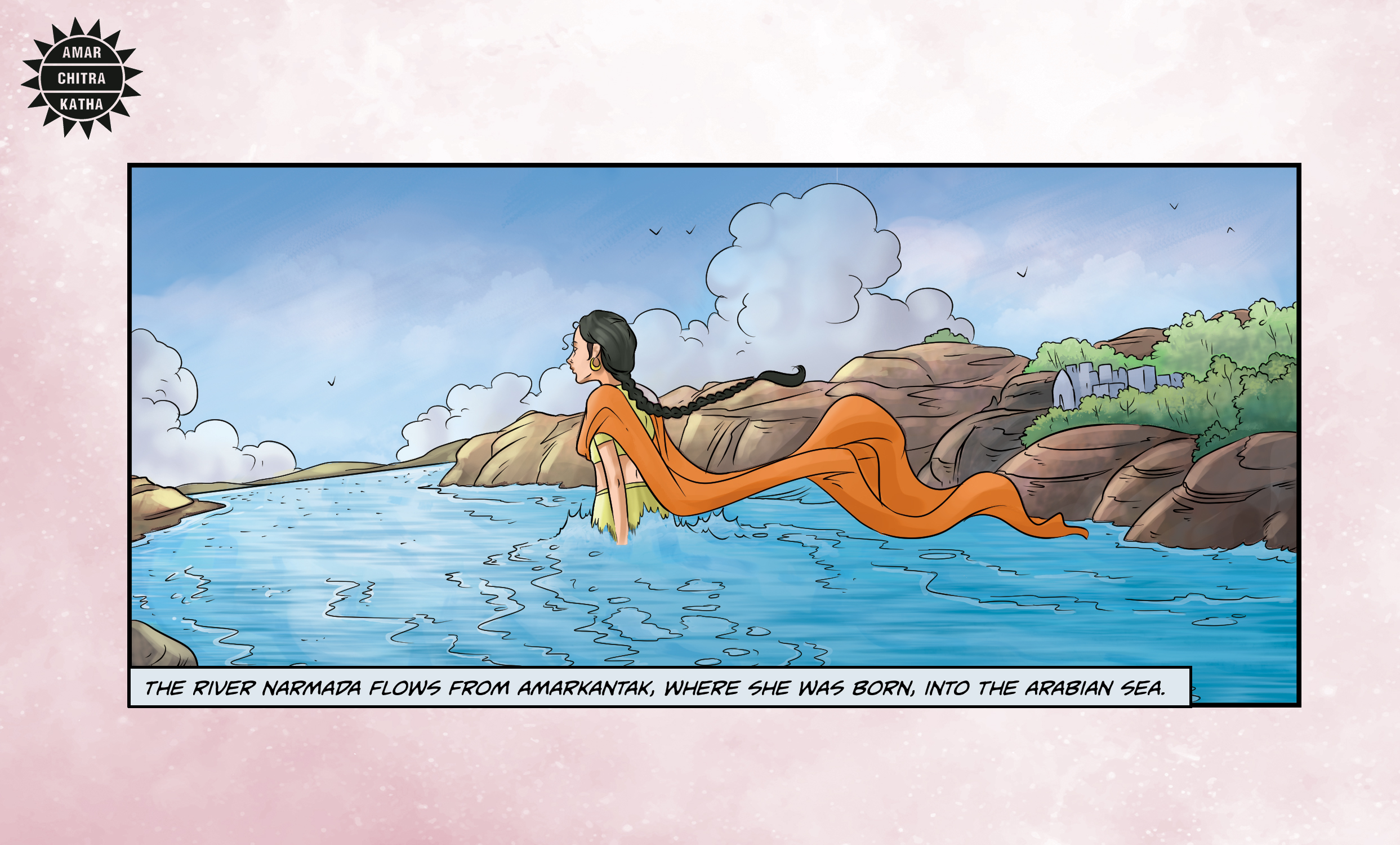
That dependency is also her greatest vulnerability, as decades of deforestation, unchecked sand mining and a string of dams have left long stretches of the Narmada running thin, some tributaries barely surviving through the dry months. In 1985, Medha Patkar and the Narmada Bachao Andolan rose in protest against the Sardar Sarovar Dam, arguing that submerged forests and displaced communities were too high a price to pay. Their hunger strikes and years of struggle forced the World Bank to withdraw its funding in 1993, even though the dam itself was eventually completed.
The sage Agastya once carried the waters in his kamandala, or water pot. But Lord Ganesha, taking the form of a crow, perched upon the pot’s rim and tipped it over, releasing the water in one stroke. What spilled out became the Kaveri, flowing free across the southern plains, and it is why she is remembered as the Ganga of the south.
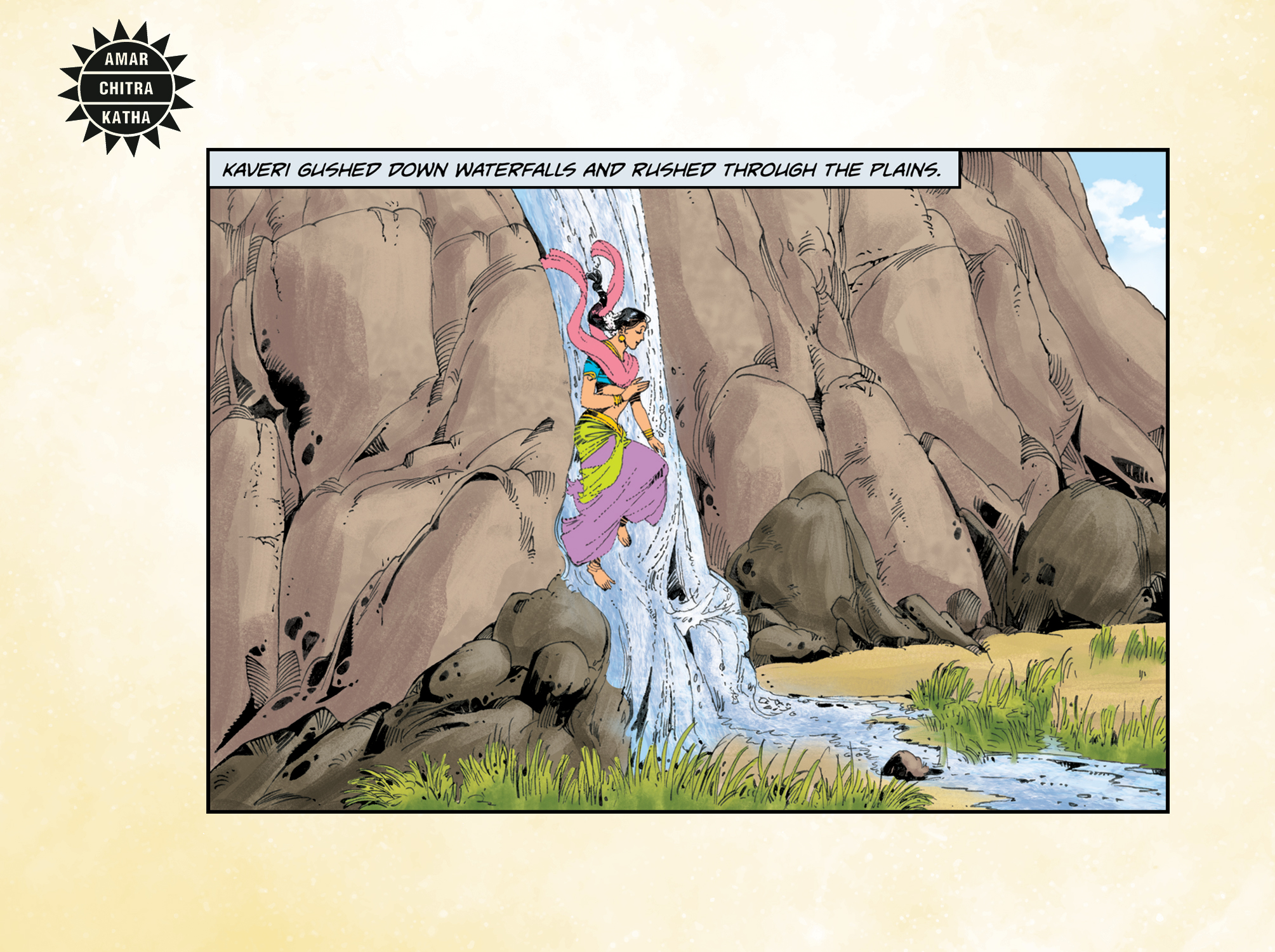
But the forests that once fed the Kaveri have been vanishing, with the river basin losing more than 12,800 square kilometres of green cover, leaving the waters thinner and her soil less able to hold onto the rain when it finally comes. In answer, movements like Cauvery Calling have urged farmers along her length to plant trees by the millions, in the hope of coaxing the forests back to life, even as scientists remind us that sand mining and dams demand their own reckoning too.
These rivers do not need our stories to keep flowing, but they do need our attention. Each movement shows that a river’s fate can change when enough people, from policymakers to villagers, decide to act. But the work is far from finished. Untreated sewage still enters our rivers, forests along their banks continue to shrink, and sand mining carries on largely unchecked. This World Rivers Day, reviving our rivers does not have to mean a hunger strike or a government programme. It can mean supporting local river clean-up efforts, being mindful of water use, or simply learning more about the rivers closest to home.
Read more about Indian Mythology, History and Culture on our very own ACK Comics App.
To receive more such stories in your Inbox & WhatsApp, Please share your Email and Mobile number.
Comic of The Month
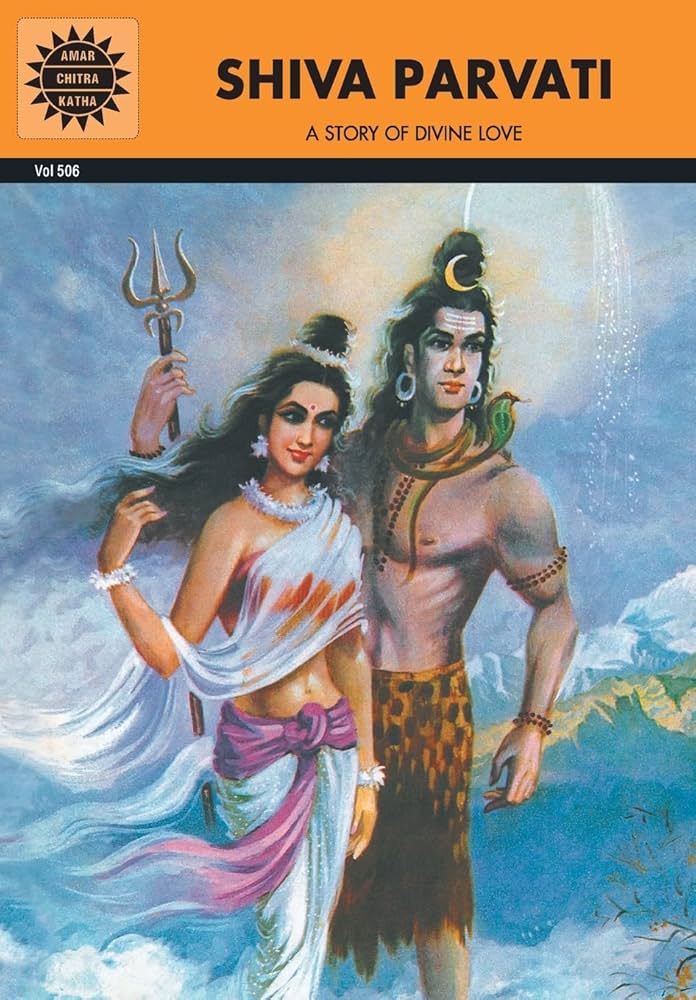
Shiva Parvati
A powerful demon threatens the gods in their heaven. They need a savior, who, Lord Brahma decrees, will be the son born to Shiva and Parvati. But Shiva, a badly-dressed, untidy, solitary ascetic, seems to enjoy bachelorhood. Even Parvati's unmatched beauty aided by Kama, the god of love, seems unequal to the task of enchanting the stern lord. This illustrated classic is based on Kumara Sambhava of Kalidasa.