


Beyond the Banyan Tree: 5 Untold Traditions of the Guru-Shishya Parampara
- July 29, 2026

Beyond the Banyan Tree: 5 Untold Traditions of the Guru-Shishya Parampara
- July 29, 2026
By Shree Sauparnika V.
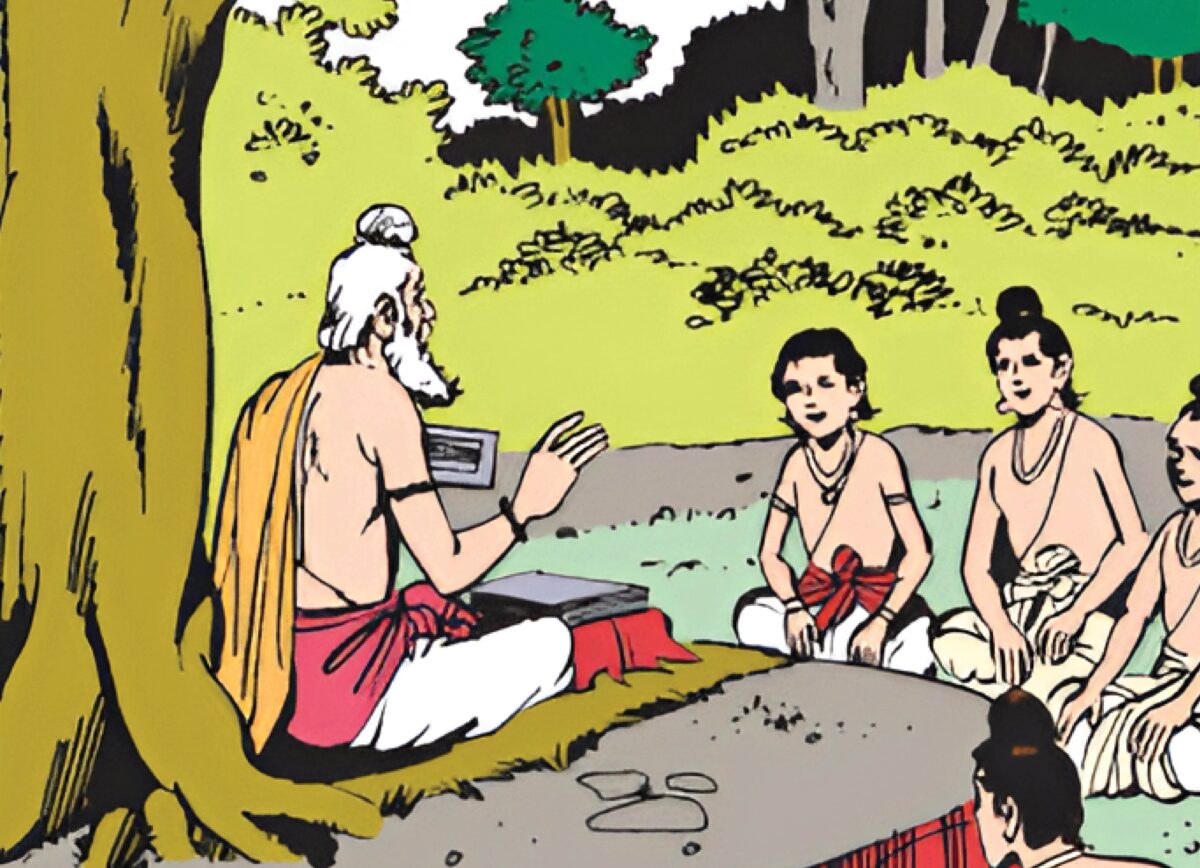
When we think of the Guru-Shishya Parampara, our minds usually paint a very specific picture: a wise sage with a long white beard, sitting under a massive banyan tree, while students sit in a neat circle memorising verses. But that is only one small chapter of a much grander story.
In ancient and medieval India, education was never a one-size-fits-all product. Because different fields required completely different mindsets, India developed entirely unique models of mentorship. From top-secret warrior guilds to mathematical vocal codes and tactile artisan workshops, the way wisdom was passed down depended entirely on what was being taught.
To receive more such stories in your Inbox & WhatsApp, Please share your Email and Mobile number.
This Guru Purnima, let us explore the five fascinating ‘clans’ of master-disciple lineages that shaped our history, culture, and science.
Imagine an education system where you do not just attend a class—you legally and spiritually join your teacher’s family. This is the foundation of India’s performing arts lineages, famously known as the Gharana system (from the word ghar, meaning home).
In classical music and dance, knowledge was not written down on sheet music. It had to be caught live from the teacher’s breath, posture, and voice. To protect their unique musical styles, masters formed distinct ‘houses’ or Gharanas (such as the Gwalior or Maihar gharanas). Each house has its own secret techniques and signature musical phrases that make them instantly recognisable on stage.
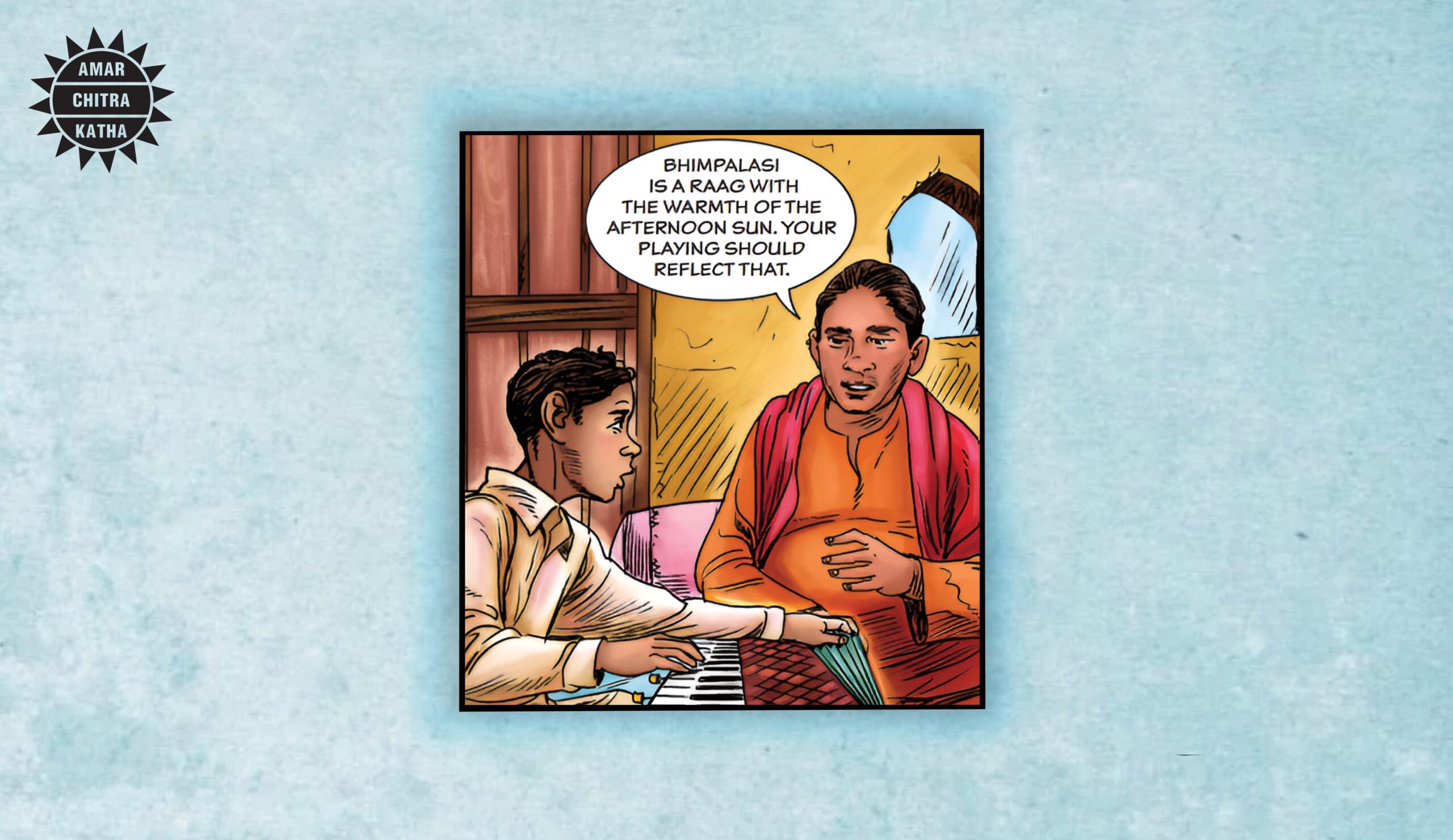
To seal this lifelong bond of artistic loyalty, a formal thread-tying ceremony called Ganda Bandhan is performed. The relationship was so intense that masters historically prioritised their top disciples over their own biological children to ensure that the purity of their art survived.
Long before digital hard drives were invented, how did India ensure that thousands of pages of complex Vedic texts survived for millennia without a single word changing? They turned the human voice into a hyper-precise operating system.
In these Vedic lineages, the exact pitch, accent, and vibration of every single syllable matters. To prevent human error, these lineages invented intricate mathematical recitation codes called Pathas.
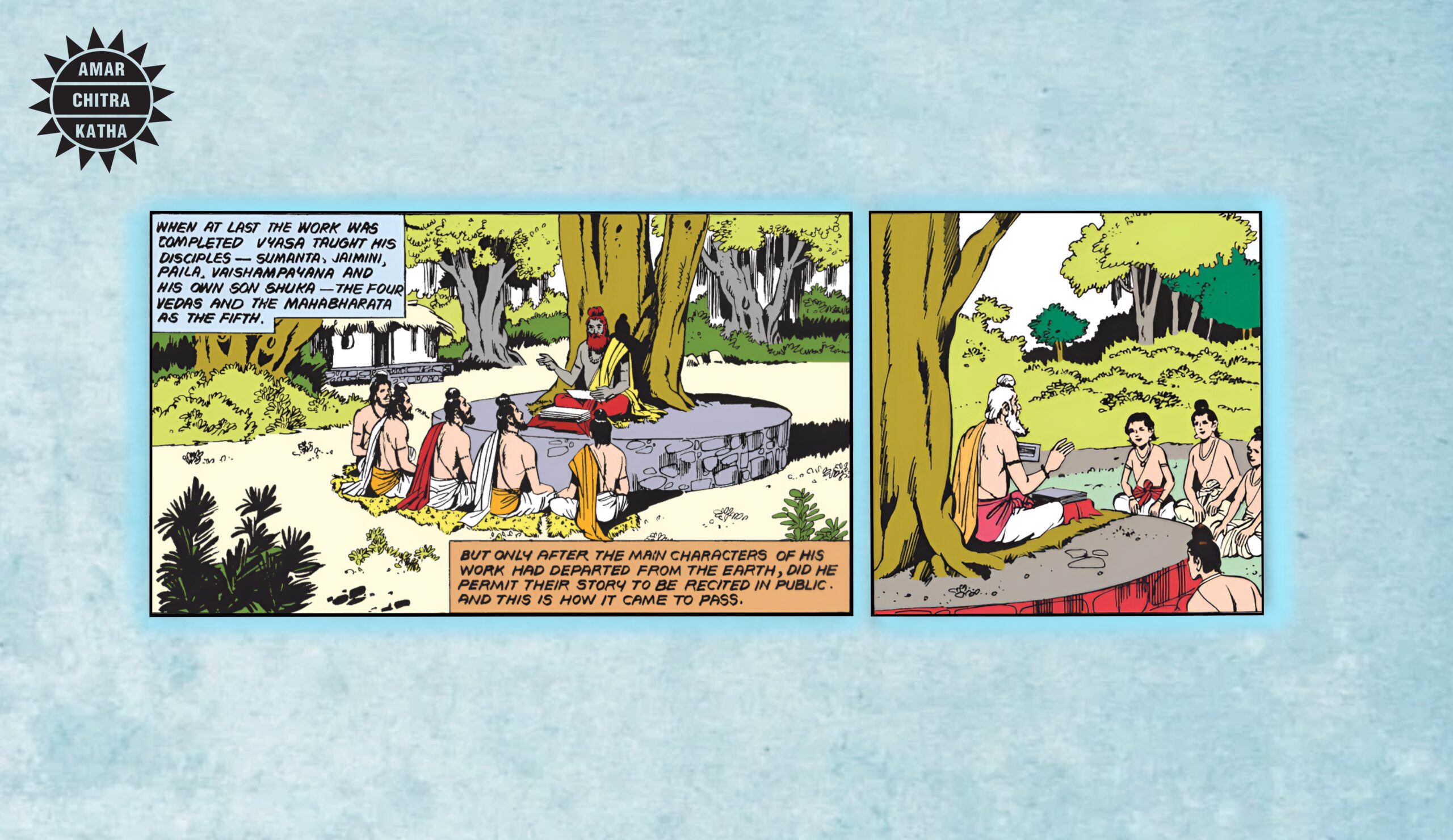
Instead of just reading a line straight, students learn it in complex geometric patterns. In Jata-patha, words are recited forward and backward in pairs (1-2, 2-1, 1-2). In the incredibly complex Ghana-patha, the pattern becomes a more dense matrix. If a student alters even a fraction of a tone, the pattern collapses. This rigorous vocal encryption created the longest-running, unbroken audio recording in human history.
What if your school textbook wasn’t made of paper, but of raw clay, molten metal, or solid granite? This is the world of India’s traditional craft communities, guided for centuries by the Shilpa Shastras (ancient manuals of engineering and design) and organized into powerful Shrenis (artisan guilds).
Whether it is the metal-casters of Bastar or the idol-carvers of Mahabalipuram, knowledge transfer here is built entirely on tactile intelligence—the wisdom stored directly in the muscles and the fingertips.
In a traditional workshop, a master craftsman (Sthapati) rarely gives formal lectures. A young apprentice begins by simply doing chores—sweeping stone dust, mixing clay, or stoking the furnace. For the first few years, they simply absorb the rhythm of the work through their eyes, ears, and hands before ever touching a master tool.
These communities also developed localised measurement systems based on the proportions of the human body, such as Tala (the length of a palm) or Angula (the width of a finger). A student learns to judge flawless geometric proportions purely by touch, sight, and intuition.
When the knowledge being passed down determines whether you live or die on a battlefield, the master-disciple dynamic shifts from peaceful contemplation to high-stakes survival. This is the world of the Akharas and martial lineages like Kalaripayattu in Kerala.
Here, the Guru (often called the Gurukkal or Aashaan) builds an absolute brotherhood. The disciples live, train, cook, and heal together. Imagine training with live, razor-sharp swords swinging inches from your face—you have to trust your teacher and your peers with your life.
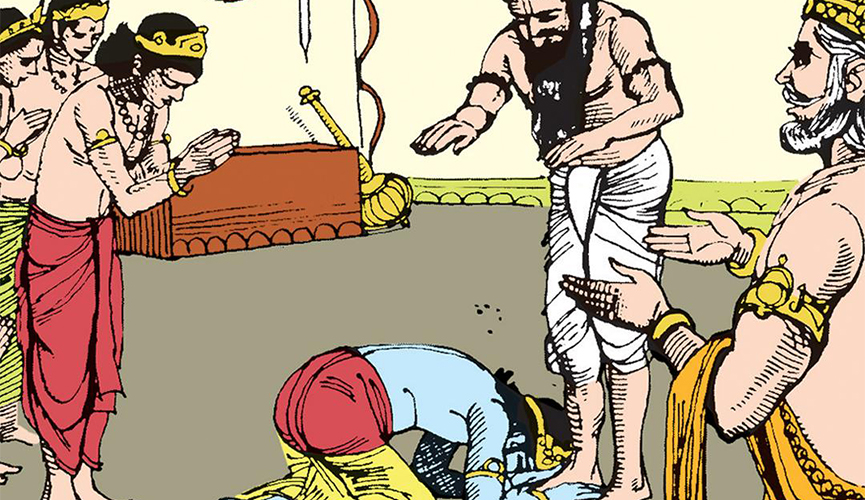
In martial lineages, physical training is actually the easy part. The real test is temperament. A martial Guru will deliberately withhold advanced, lethal combat techniques until they are absolutely certain of the student’s emotional maturity. The ultimate goal is not to create a weapon, but a protector who possesses the restraint to never strike out of anger.
5. The Silent Teachers (Spiritual Lineages)
Our modern world believes that learning requires talking, reading, and taking notes. But India’s spiritual and esoteric traditions feature a lineage that completely turns this idea upside down: transmission through absolute silence.
In the Shaktipat tradition, deep wisdom is not treated as information to be studied, but as a state of consciousness to be ignited. Think of it like using a lit candle to light an unlit one. The flame is passed over instantly, without changing the original light.
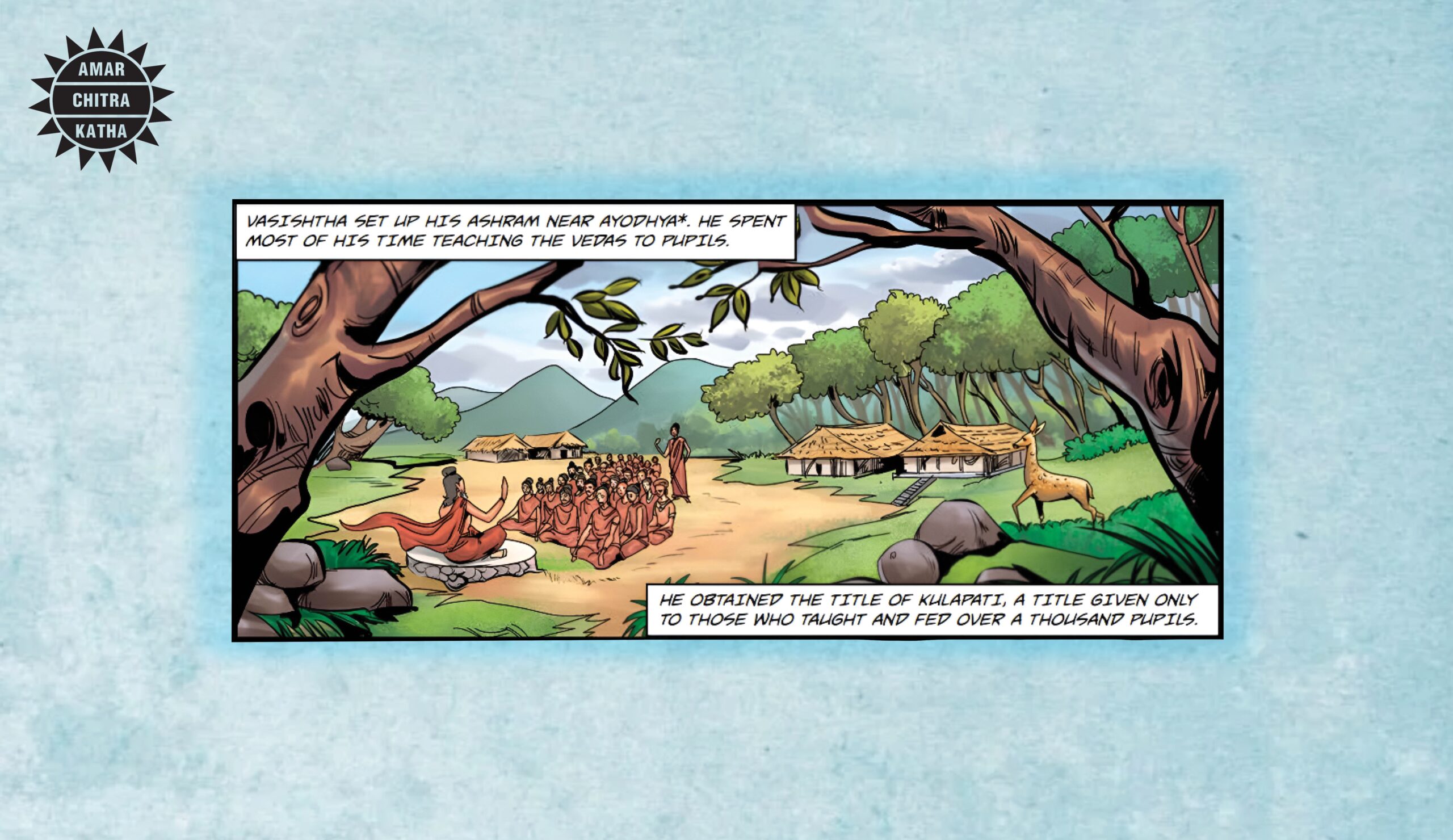
The Guru passes their spiritual realisation directly to the disciple. This can happen through a sacred spoken word (Vachik), a physical touch (Sparsha), or in its rarest form, a direct, silent gaze (Drishti). It suggests that the highest form of teaching is not about filling an empty bucket with facts, but waking up a dormant energy that was inside the student all along.
Whether it is the discipline of the martial Akhara, the mathematical precision of the Vedic chant, the deep emotional bond of the Gharana, the tactile wisdom of the artisan guild, or the quiet focus of the silent lineages, the Guru-Shishya Parampara was never static. It was an incredibly fluid, adaptive network designed to keep the soul of a civilisation alive.
In a digital age where we are drowning in information, these five lineages remind us of a timeless truth: true mastery has always required human connection.
Read more stories on Indian History, Mythology and Culture on our very own ACK Comics App.
To receive more such stories in your Inbox & WhatsApp, Please share your Email and Mobile number.
Comic of The Month
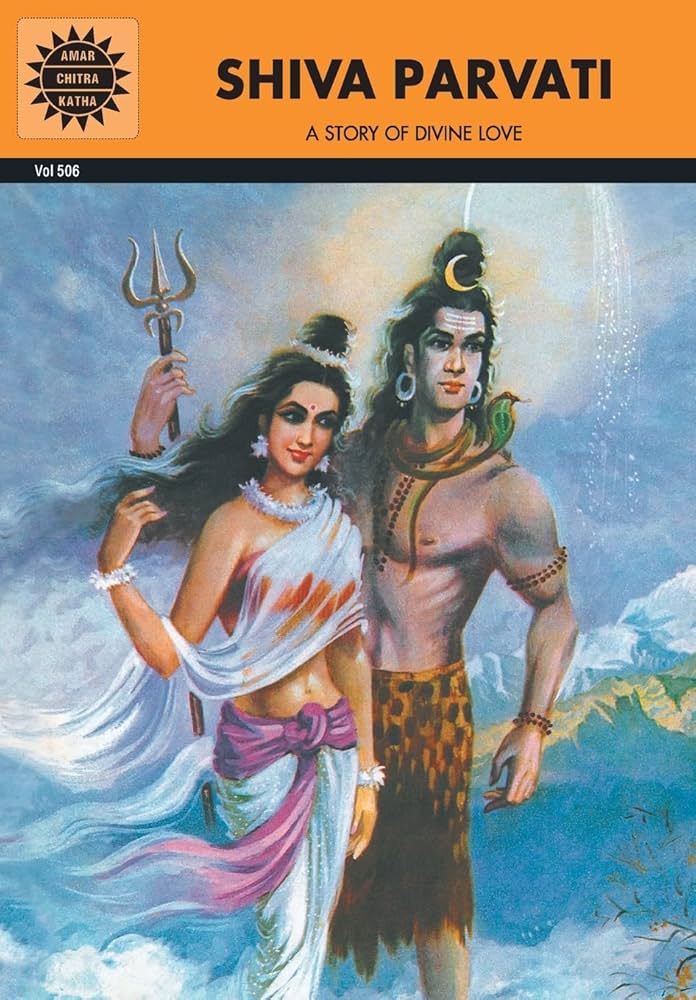
Shiva Parvati
A powerful demon threatens the gods in their heaven. They need a savior, who, Lord Brahma decrees, will be the son born to Shiva and Parvati. But Shiva, a badly-dressed, untidy, solitary ascetic, seems to enjoy bachelorhood. Even Parvati's unmatched beauty aided by Kama, the god of love, seems unequal to the task of enchanting the stern lord. This illustrated classic is based on Kumara Sambhava of Kalidasa.