


Fasting and Feasting: Ramzan and Eid
- March 20, 2026

Fasting and Feasting: Ramzan and Eid
- March 20, 2026
by Keya Gupta
As the month of Ramzan comes to an end, Muslim communities across India and the world are preparing to end their month-long fasts. The month of Ramzan culminates with Eid, a day of celebrations and togetherness.
Ramzan is the ninth month of the Islamic calendar, a calendar that follows the lunar cycle rather than the solar one. During the month of Ramzan, the Muslim community fasts from dawn to dusk, eating before first light and then only after the sun has set. The fast is not just about giving up food and water but is seen as a way to become closer to God. It invites self-reflection and is a time to practice self-control, patience and kindness. The fast and hunger also invite one to reflect upon those less privileged, who live with hunger not just for a month, but all year round. Thus, during this time, many people believe in giving to charity so that others can also experience the comfort of a full meal and a festive home.
To receive more such stories in your Inbox & WhatsApp, Please share your Email and Mobile number.
The day of Eid marks the end of the month of Ramzan and period of fasting. As the new month draws nearer, people look out for the first crescent moon of the next month. If the moon is sighted after sunset, it is announced that the next day will be Eid. If the moon is not seen due to clouds or other conditions, the community completes thirty days of fasting and Eid is celebrated the day after. Because this depends on local moon sighting and different religious authorities, the exact date of Eid can sometimes vary from country to country.
In India, the excitement for Eid begins before the moon is even sighted, with streets glowing with lights, excited young children, and seasonal markets selling delicacies. Once the crescent moon is sighted, the day of Eid is declared, messages of “Eid Mubarak” are shared across families and friend groups, and homes begin their final round of cleaning and cooking for the big day.
The day of Eid itself begins early, with families waking up before dawn, bathing, dressing in new clothes, and preparing for the special Eid namaz at the mosque. Before the namaz and expressing their faith, many families often set aside a ‘Zakat al‑Fitr’, a form of charity given so that those less fortunate can also celebrate with a good meal and new clothes. After the namaz, the atmosphere grows festive, as the air is filled with the feeling of happiness, peace and fulfilment. Families, friends and neighbours greet one another with “Eid Mubarak” and congratulate each other. The day quickly transforms into one of feasting and visiting, as communities come together to celebrate the festival.
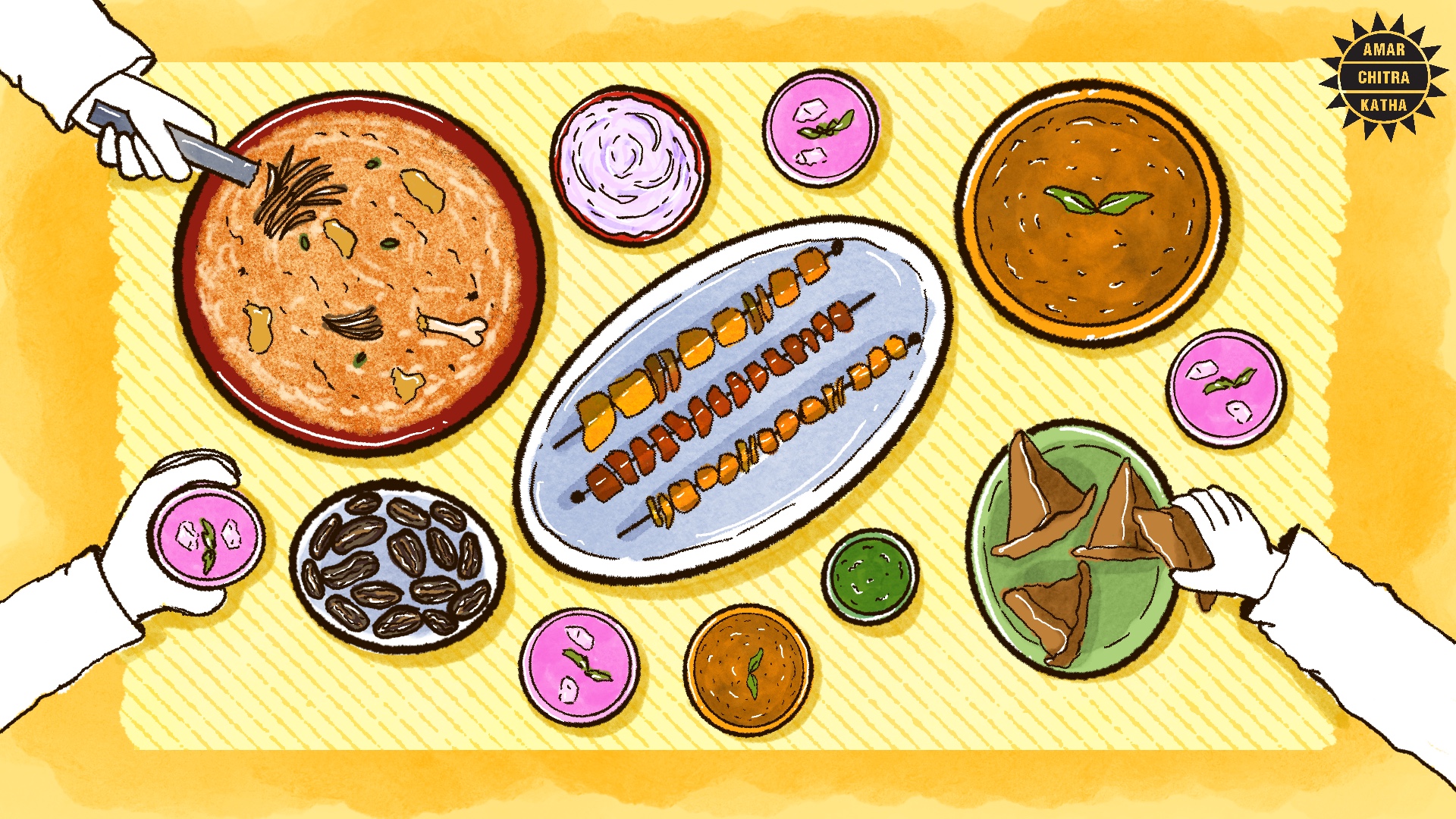
Eid and the month of Ramzan see many local markets, filled with all sorts of delicacies. In India, the exact menu changes from region to region, but a few favourites are almost universal: biryani fragrant with spices, kebabs, haleem in cities like Hyderabad, and rich meat curries like korma or nihari. Sweets are especially important — sewaiyyan (vermicelli) appears in different forms, from milky Sheer Kurma cooked with dates and dry fruits to Lachcha Sewai prepared with ghee and sugar. Phirni, a creamy rice pudding flavoured with cardamom and saffron, and Shahi Tukda, crisp fried bread soaked in thickened milk, are other much‑loved desserts that always make an appearance.
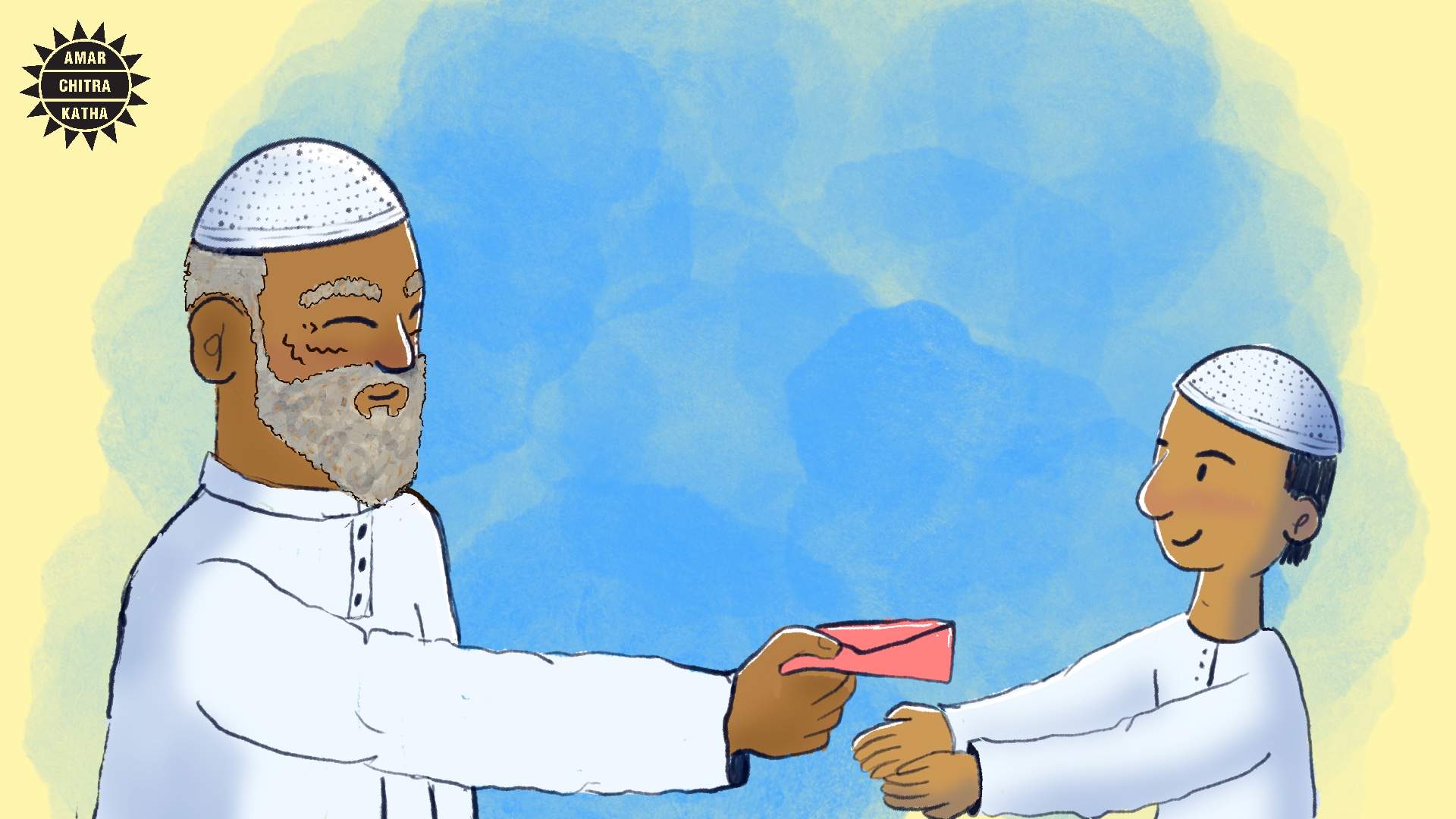
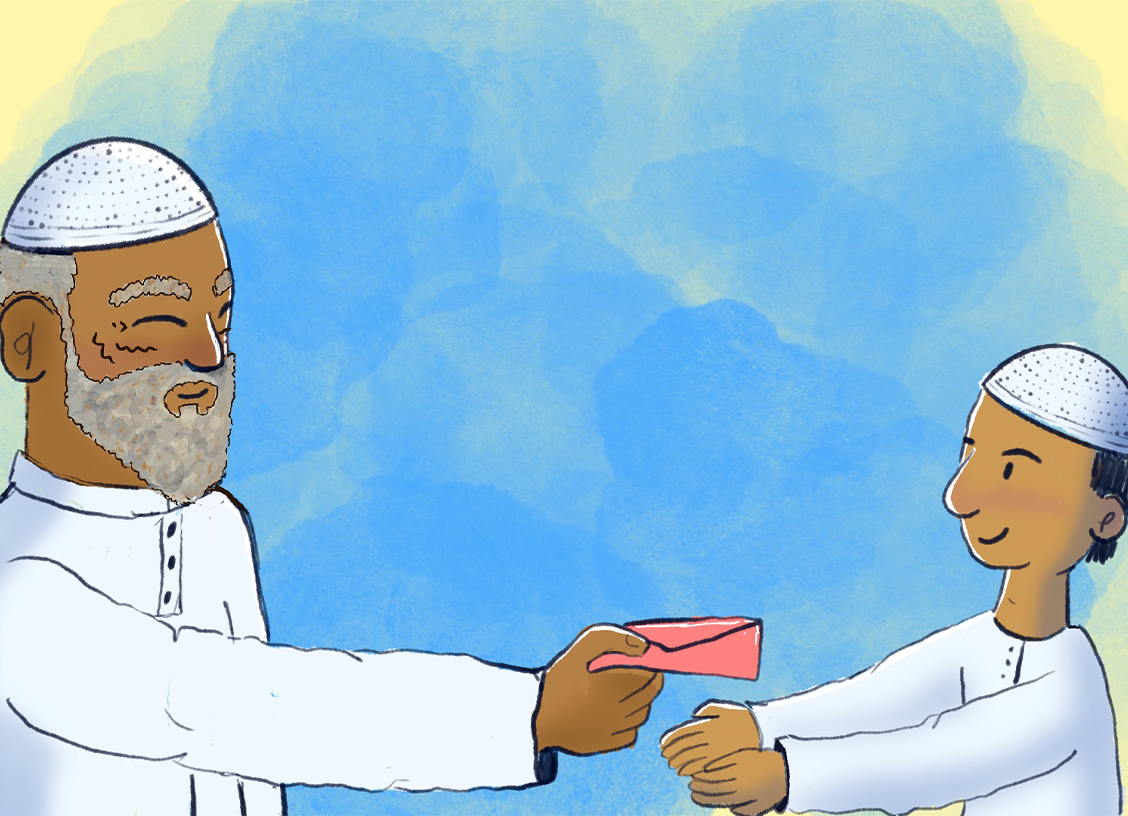
For children, one of the most important parts of Eid is the Eidi, or money and small gifts given to the younger family members by elders as a sign of love, blessings and abundance. Much of the anticipation of Eid for children is the money they will get, and in the weeks before Eid, children can be heard speculating about the amount they will receive and plans for the purchases they will make. Cousins and friends compare their Eidi, decide what to buy, or pool it together for toys, books or a special outing. Throughout the day, doors stay open as relatives, neighbours and friends drop in to exchange greetings and be part of the joy.
Eid marks the end of Ramzan, but it also carries forward the lessons of the month, the practice of self‑restraint, the habit of generosity, and the awareness of those who have less.
Read more stories on Indian Mythology, History and Culture on our very own ACKComics App.
To receive more such stories in your Inbox & WhatsApp, Please share your Email and Mobile number.
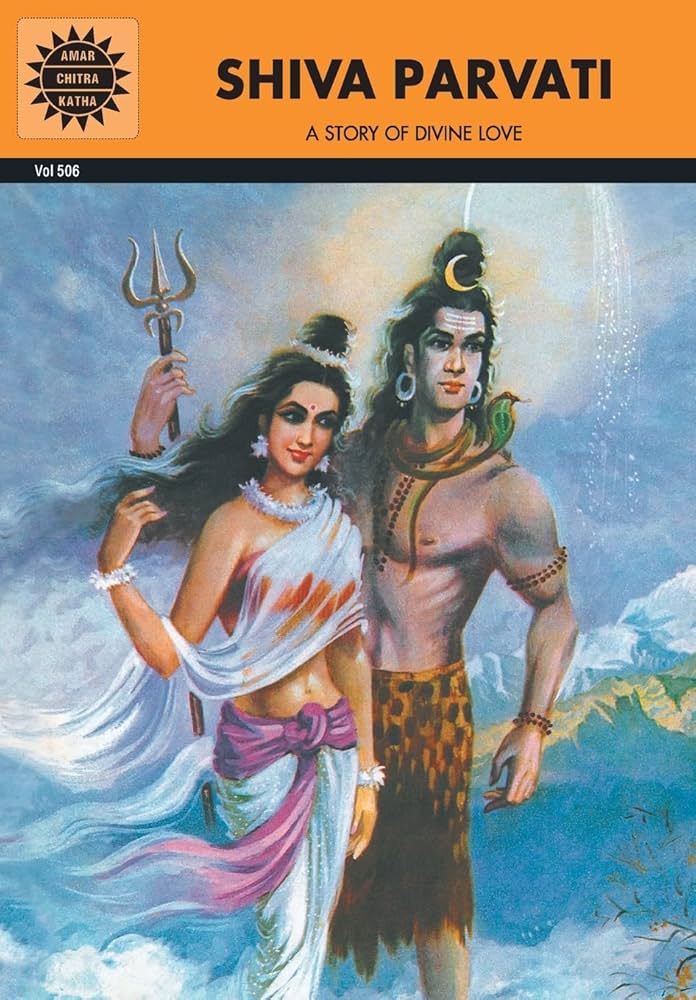
Comic of The Month
Shiva Parvati
A powerful demon threatens the gods in their heaven. They need a savior, who, Lord Brahma decrees, will be the son born to Shiva and Parvati. But Shiva, a badly-dressed, untidy, solitary ascetic, seems to enjoy bachelorhood. Even Parvati's unmatched beauty aided by Kama, the god of love, seems unequal to the task of enchanting the stern lord. This illustrated classic is based on Kumara Sambhava of Kalidasa.