


AKASHVANI: The Voice that United a Nation
- February 13, 2026

AKASHVANI: The Voice that United a Nation
- February 13, 2026
by Shree Sauparnika V
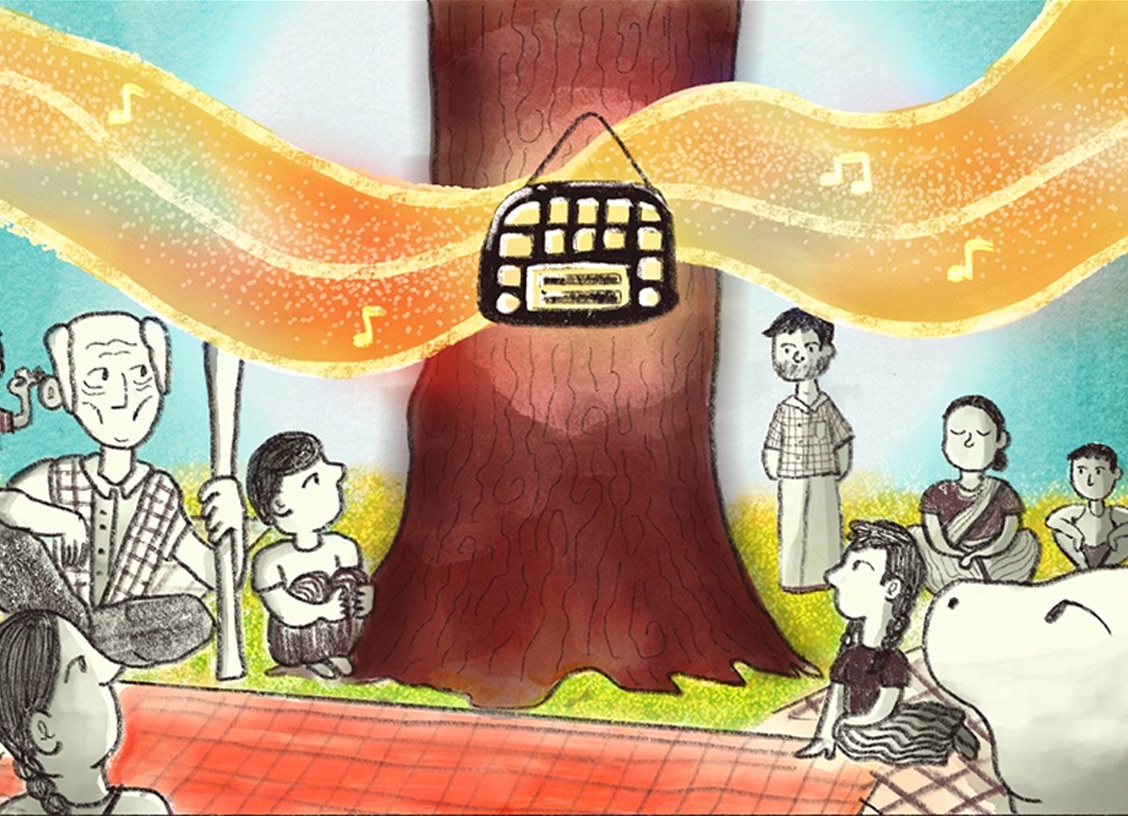
For nearly a century, a single sound has resonated through the diverse landscapes of India. Long before the era of glowing screens and instant notifications, there was a wooden box that brought the world to our doorsteps. This is the saga of All India Radio (AIR) — known to millions as Akashvani.
The story of radio in India did not begin with a government decree, but with a crackle of curiosity. In June 1923, the Radio Club of Bombay made history by transmitting the first-ever broadcast in the country. Within months, enthusiasts in Calcutta and Madras followed suit, forming their own clubs to experiment with this ‘wireless’ magic.
To receive more such stories in your Inbox & WhatsApp, Please share your Email and Mobile number.
By July 1927, the Indian Broadcasting Company (IBC), a private venture, was inaugurated by the Viceroy, Lord Irwin. IBC set up two stations: 7BY in Bombay and 7CA in Calcutta. These stations were ambitious, featuring live music and news. However, with only about 3,000 radio licenses in the entire country, the company could not sustain itself and went into liquidation in 1930. The airwaves were nearly silenced, but the people’s hunger for news had already been ignited.
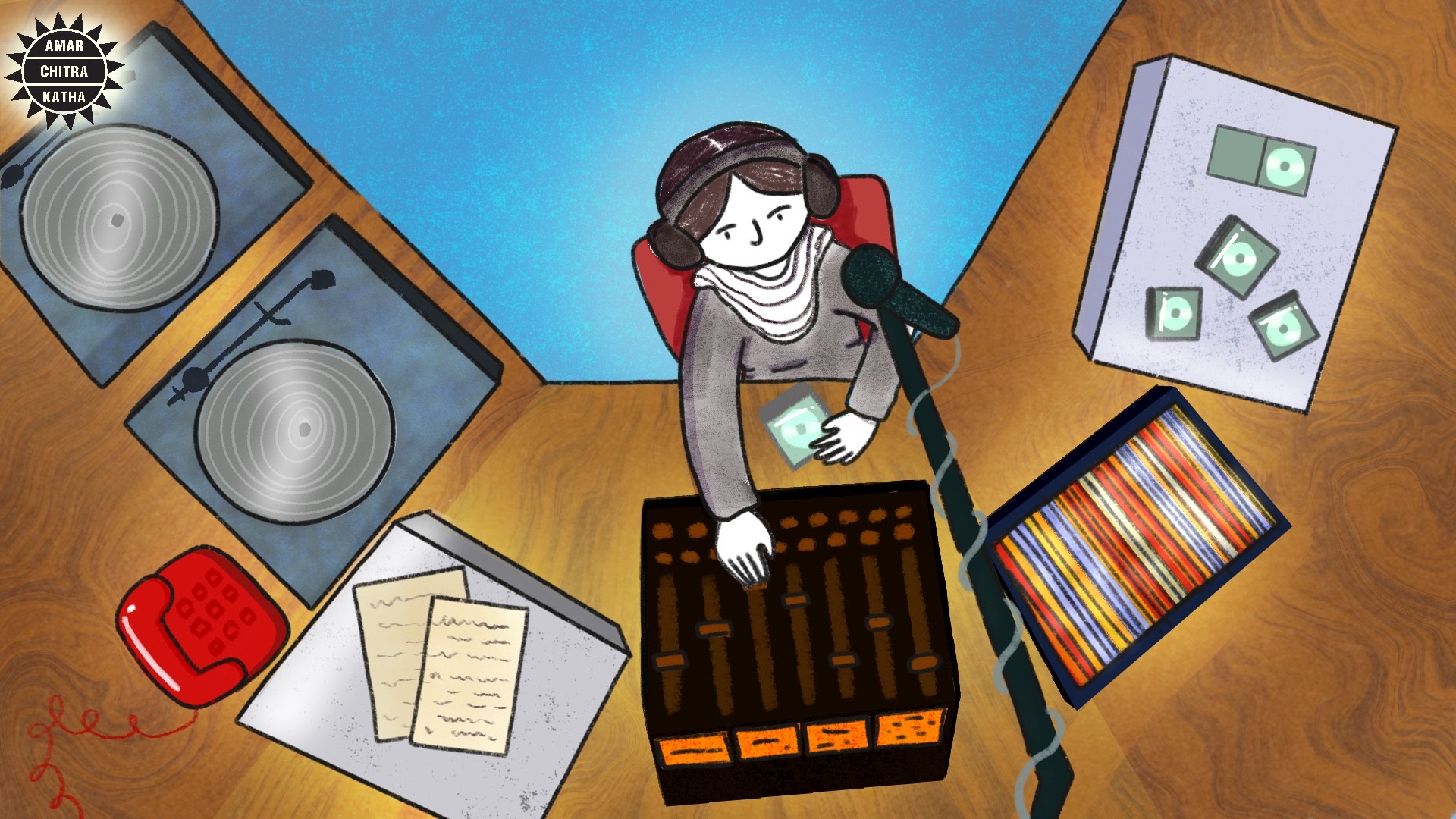
When the private IBC failed, the British government stepped in to prevent the medium from dying. On April 1, 1930, the Indian State Broadcasting Service (ISBS) was formed under the Department of Industries and Labour. This was the beginning of public broadcasting in India.
The real transformation came in 1935 when Lionel Fielden, a senior producer from the British Broadcasting Corporation (BBC), was appointed as India’s first Controller of Broadcasting. He was a visionary who believed that ‘broadcasting’ should belong to the people. On June 8, 1936, the ISBS was renamed All India Radio (AIR) — a name Fielden championed because it felt more national and inclusive.
Shortly after, in 1936, the station’s soul was found. Walter Kaufmann, a Jewish refugee from Europe who became the Director of Music at AIR Bombay, composed the iconic Signature Tune. He used a blend of the violin, cello, and tanpura, basing the melody on the morning Raga Shivaranjani. To this day, those eight seconds of music are among the most recognised sounds in Indian history.
During World War II and the height of British colonial rule, AIR was a controlled mouthpiece for the Raj. News was heavily censored to keep the Indian public away from the “seditious” calls for independence. But the freedom fighters were clever.
During the Quit India Movement of 1942, a 22-year-old student named Usha Mehta and her comrades started the Congress Radio. Broadcasting on 42.34 metres from secret locations across Bombay, they moved their equipment frequently to escape the police. Their broadcasts began with the defiant words: “This is the Congress Radio calling on 42.34 metres from somewhere in India”.
They played patriotic songs, shared news of arrests, and gave instructions to protesters that the official AIR would never dare to mention. Though the operators were eventually arrested, the “Ghost Radio” of 1942 proved that the airwaves could be used as a powerful weapon for liberty.
At the dawn of independence, AIR was a modest network with only six stations — Delhi, Bombay, Calcutta, Madras, Lucknow, and Tiruchirappalli. Yet its reach was monumental. Under the leadership of Sardar Vallabhbhai Patel, India’s first Minister for Information and Broadcasting, the radio became the primary tool for weaving a fragmented nation together.
On the night of August 14, 1947, millions huddled around their sets to hear Jawaharlal Nehru’s ‘Tryst with Destiny’. But in the months that followed, AIR did something even more critical: it became the ‘Search and Rescue’ frequency of the nation. During the Partition, a special unit was set up to broadcast messages for missing persons, helping thousands of separated families find one another across the newly formed borders.
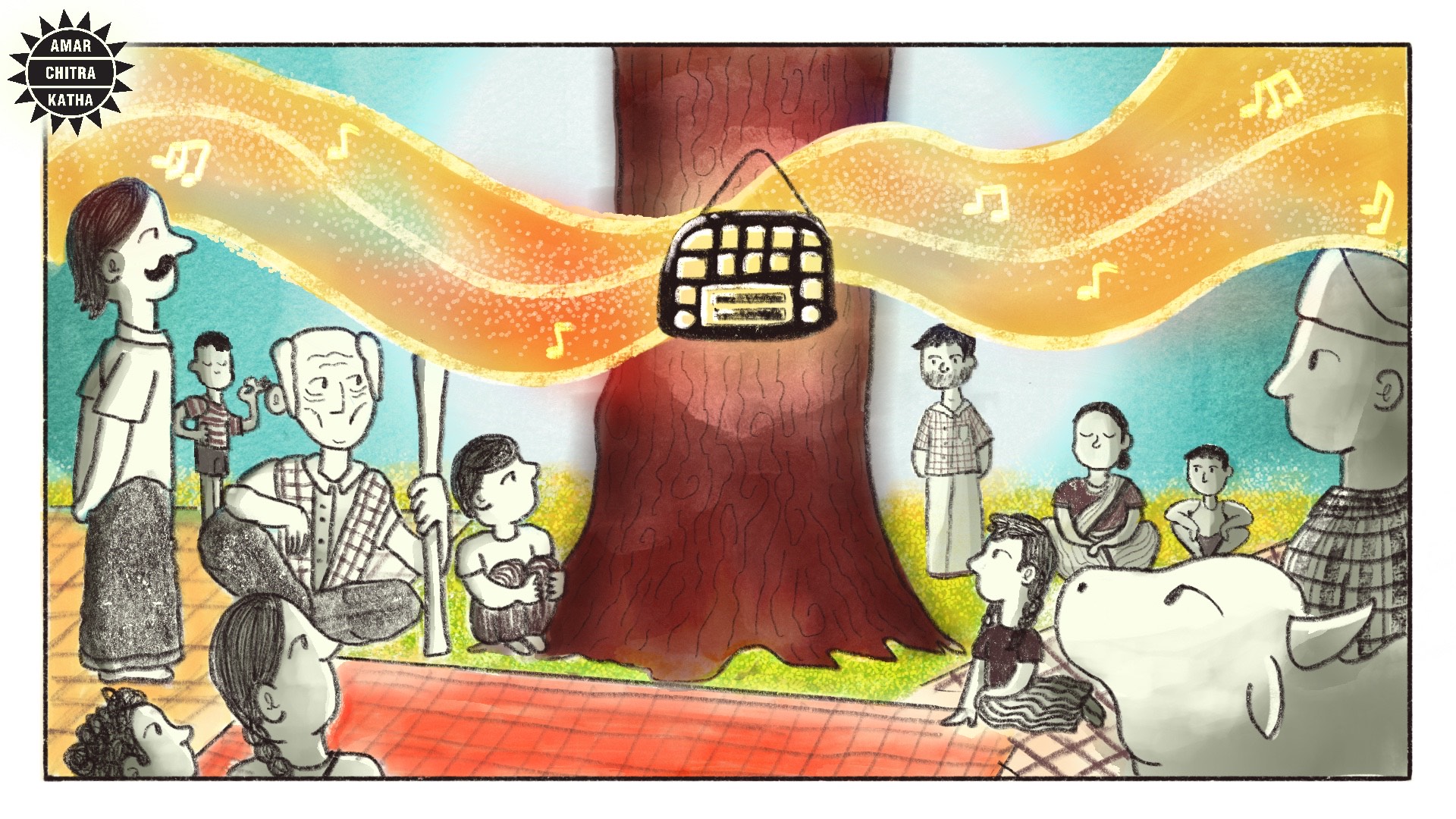
While ‘All India Radio’ was the official name, the term ‘Akashvani’ — a Sanskrit word meaning ‘Voice from the Sky’ came later. It was first used in the context of radio by Rabindranath Tagore in 1938 for the inauguration of the Calcutta shortwave service. In 1956, it was officially adopted as the national name for the broadcaster. It signalled a new era where radio was a tool for nation-building, education, and cultural pride. Akashavani became the world’s largest patron of Indian classical music, organising the ‘Akashvani Sangeet Sammelan’ to ensure that the heritage of maestros like Pandit Ravi Shankar and Ustad Bismillah Khan reached every village home.
By the mid-50s, Indian listeners were tuning into Radio Ceylon to hear film songs, which were then restricted on AIR. To bring the audience back, AIR launched ‘Vividh Bharati’ on October 3, 1957. It was an instant revolution. Programmes like Sangeet Sarita and Bhule Bisre Geet became legendary. This era also gave us the most iconic voice in Indian radio history — Ameen Sayani. His show, Binaca Geetmala, became a weekly ritual for millions, proving that radio could be both a formal educator and a vibrant entertainer.
AIR became the custodian of India’s soul, recording and preserving the masters of classical music and regional folklore that might otherwise have been lost to time.
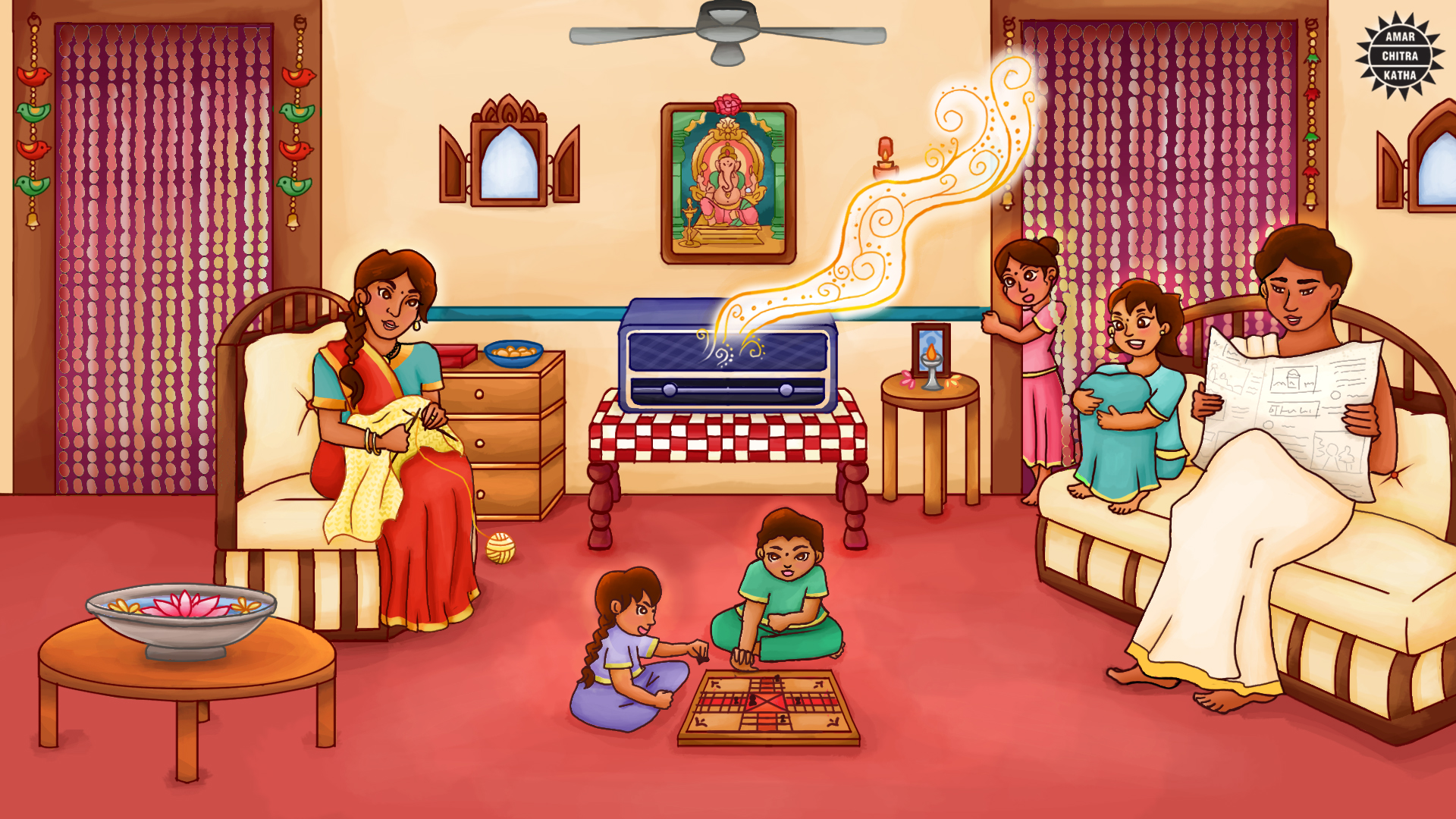
As India faced wars in 1962, 1965, and 1971, the radio was the only source for verified news, silencing rumours and boosting national morale. In 1976, a major administrative shift occurred: the television wing was separated from AIR to become Doordarshan. As decades passed, Akashvani grew with the nation. Today, it stands as one of the largest public broadcasters in the world — broadcasting in 23 languages and over 100 dialects, reaching an incredible 99% of India’s population.
On World Radio Day, we celebrate more than just technology. We celebrate the medium that remains the most democratic of all. In an era of flickering screens and fragile networks, the airwaves of Akashvani remain an unbroken thread. It has carried the voices of leaders, the songs of farmers, and the cheers of cricket fans for a hundred years.
Akashvani remains true to its motto: Bahujana Hitaya Bahujana Sukhaya — For the welfare of many, for the happiness of many. An eternal narrator of our journey, Akashvani remains the voice that listens to India’s heart and speaks her truth.
Read stories on History, Mythology and Culture at our very own ACK Comics App.
To receive more such stories in your Inbox & WhatsApp, Please share your Email and Mobile number.
Comic of The Month
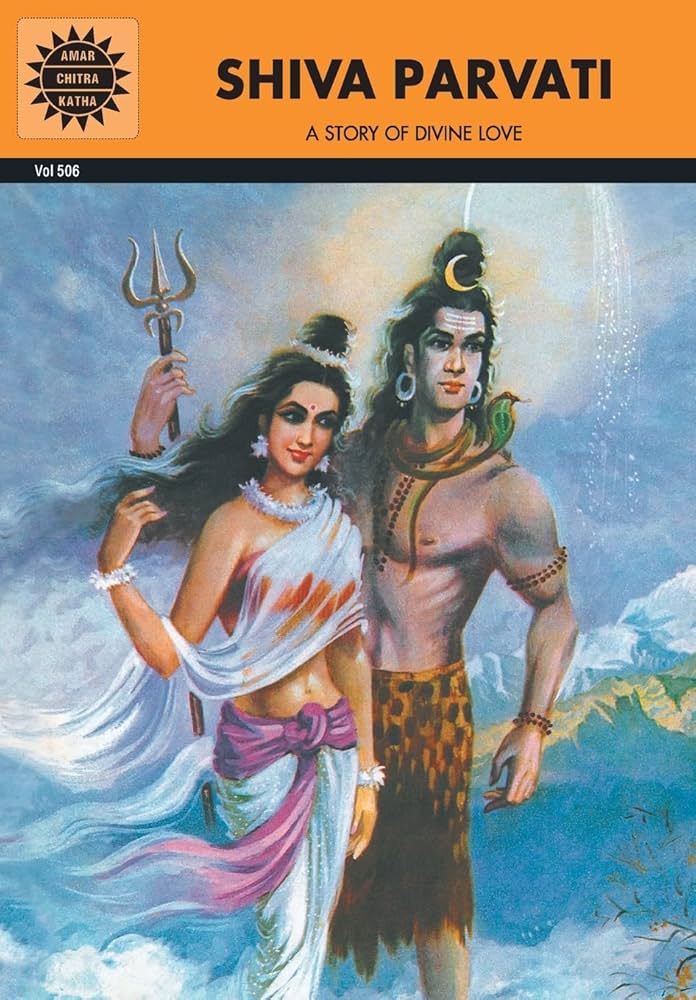
Shiva Parvati
A powerful demon threatens the gods in their heaven. They need a savior, who, Lord Brahma decrees, will be the son born to Shiva and Parvati. But Shiva, a badly-dressed, untidy, solitary ascetic, seems to enjoy bachelorhood. Even Parvati's unmatched beauty aided by Kama, the god of love, seems unequal to the task of enchanting the stern lord. This illustrated classic is based on Kumara Sambhava of Kalidasa.