


People Power: India’s Freedom Struggle
- August 13, 2026

People Power: India’s Freedom Struggle
- August 13, 2026
by Keya Gupta
August carries some of the most important dates of the Indian Freedom Struggle. On 8th August 1942, Mahatma Gandhi gave the call for the Quit India Movement, pushing the country towards its final phase of struggle against British rule. On 12th August, the world observes International Youth Day, a fitting occasion to remember how young India shaped its own liberation. And on 15th August, we celebrate the day independence finally arrived. Between these dates lies a quieter story, of not just the marches led by well-known leaders, but the thousands of ordinary Indians — farmers, students and homemakers — who carried the freedom struggle forward on their own shoulders.
A Flag for Everyone: The Flag Satyagraha of 1923
To receive more such stories in your Inbox & WhatsApp, Please share your Email and Mobile number.
In March 1923, the Jabalpur Municipality resolved to hoist the national flag on its building, right beside the Union Jack. The District Magistrate banned it, but municipal members went ahead anyway, hoisting the flag on 18th March. Colonial police pulled it down and trampled it underfoot. The outrage this sparked did not stay confined to Jabalpur for long and grew into what came to be known as the Flag Satyagraha. It soon spread to the nearby city of Nagpur.
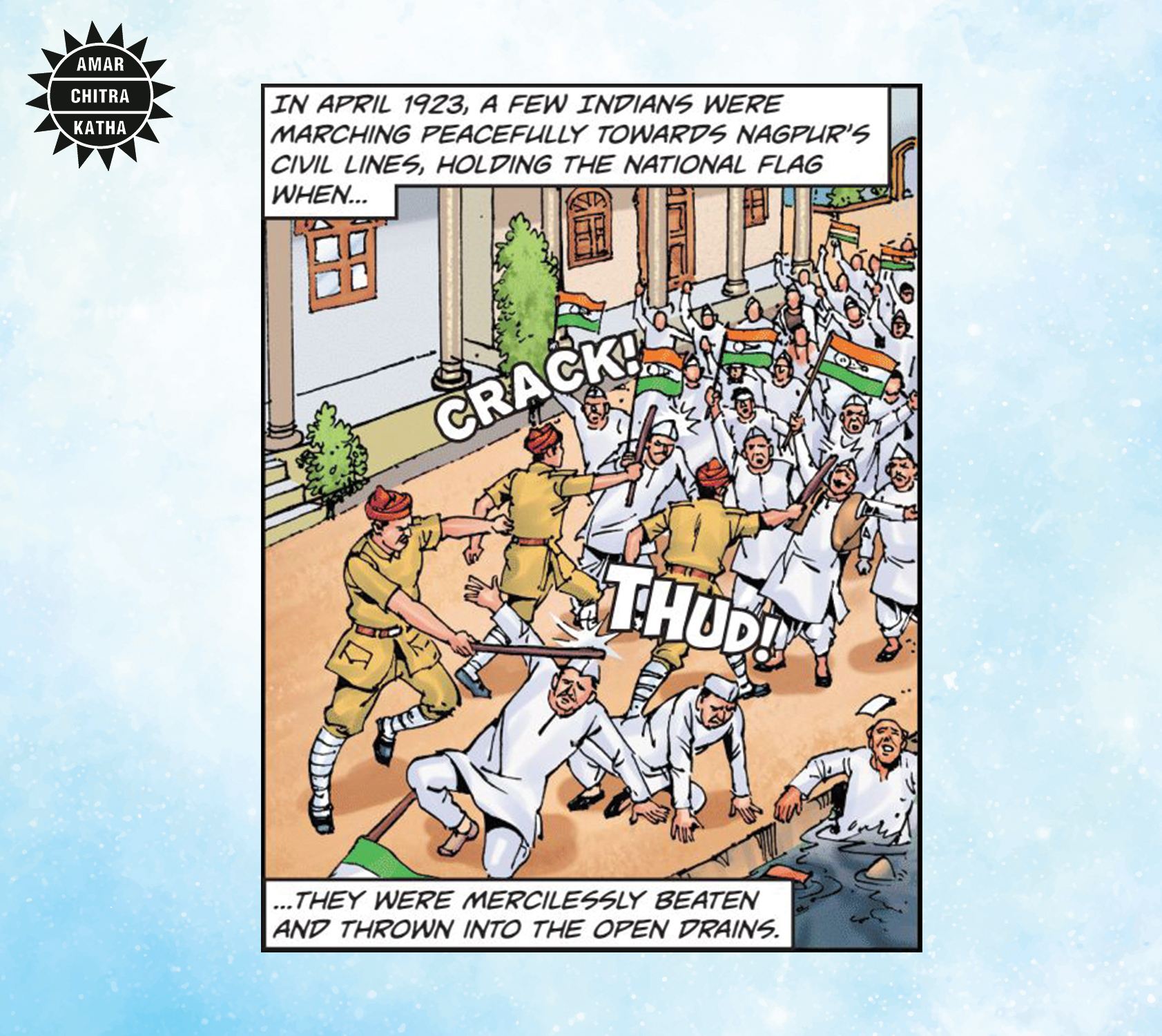
What made the Flag Satyagraha remarkable was how ordinary its participants were. Under the Nagpur District Congress Committee, volunteers set out daily in small batches to march through the city carrying the national flag, defying the government’s ban on public gatherings, and courting arrest without resistance, in true satyagraha fashion. Over the months that followed, an estimated 17,000 volunteers were arrested — not soldiers or seasoned political workers, but shopkeepers, students and farmers who travelled from across the country, some from as far as the princely state of Travancore, to take their turn at the front of the procession.
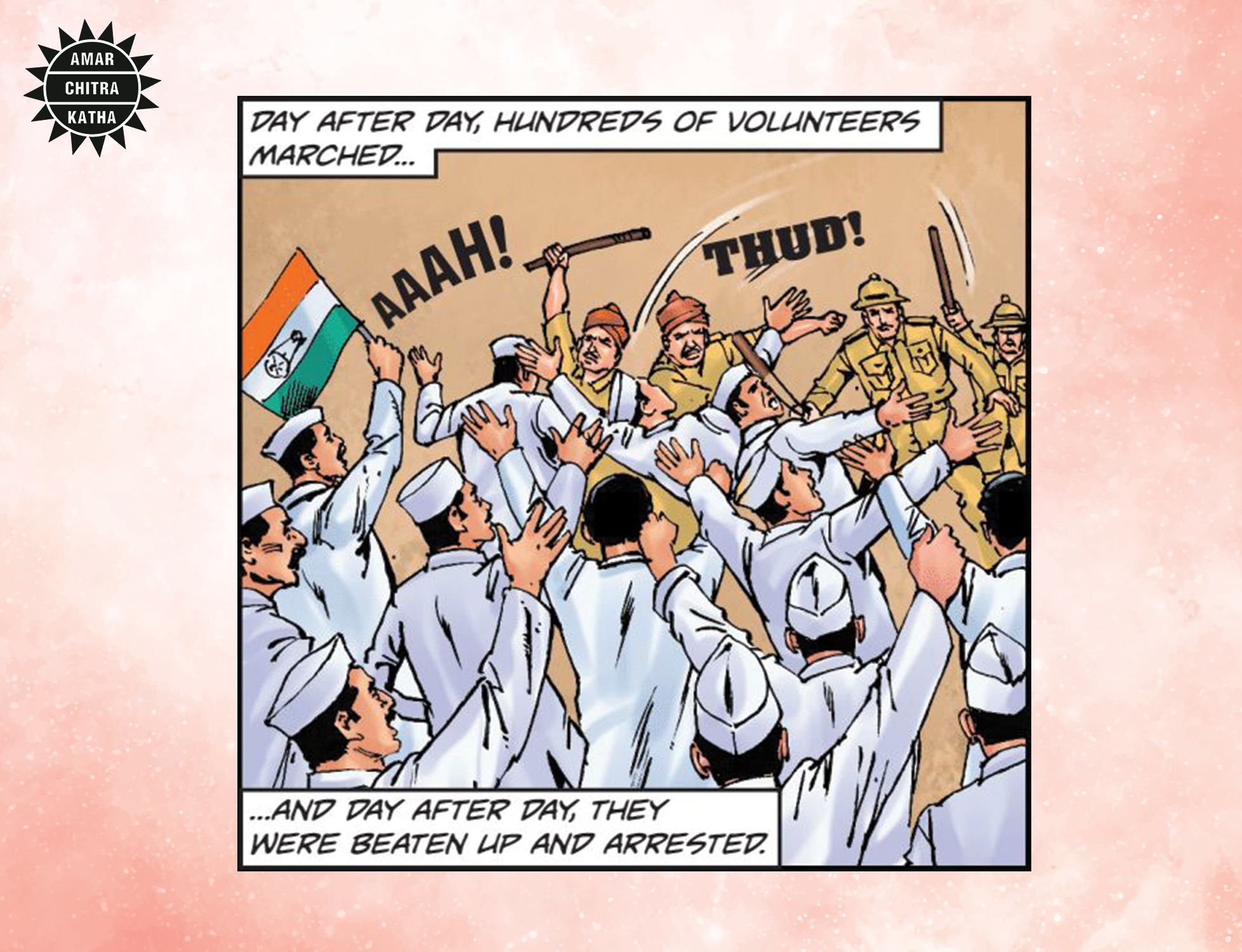
When the movement’s local leader, Jamnalal Bajaj, was arrested, leadership passed to Sardar Vallabhbhai Patel. On 17th August 1923, after months of sustained, non-violent pressure, the government relented and permitted a flag procession through Nagpur’s restricted Civil Lines.
Villagers and Women on the Dandi March
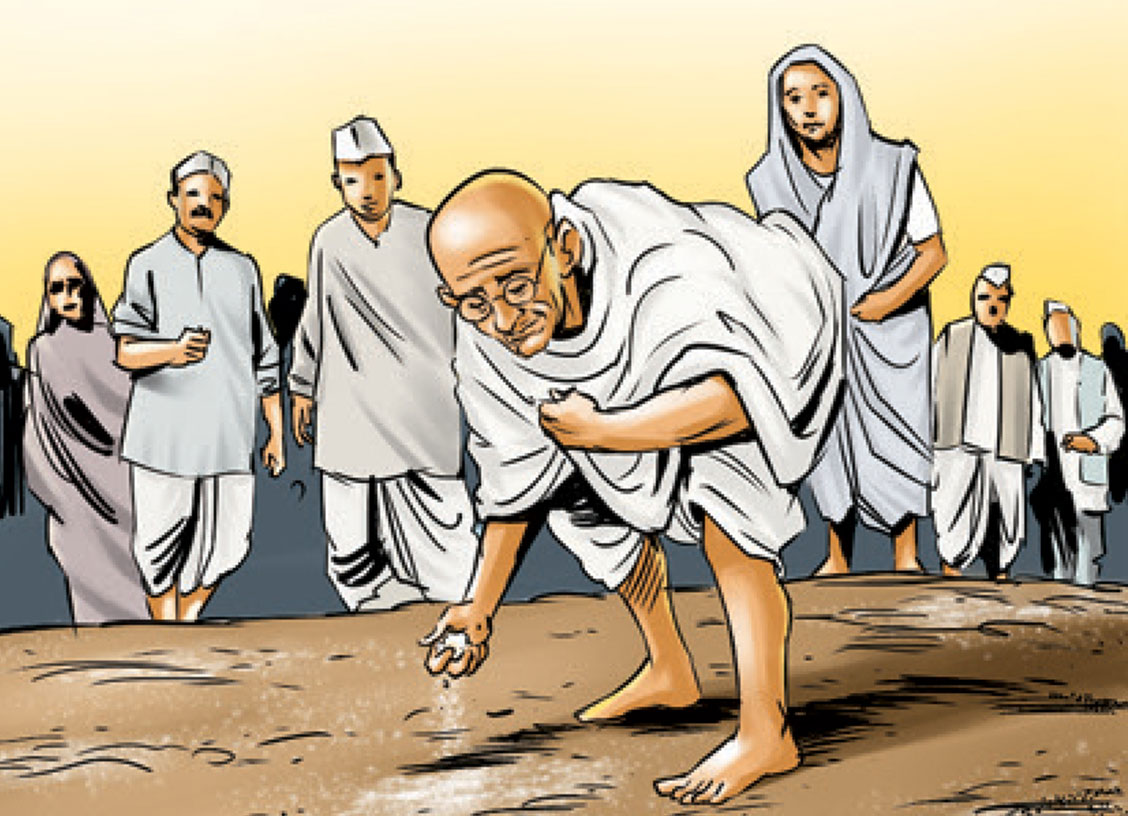
Seven years later, in 1930, Gandhi opposed the harsh salt laws passed by the British Government. On 12th March, he set out from Sabarmati Ashram with 78 chosen followers, walking towards the coastal village of Dandi to break the government’s monopoly on salt production.
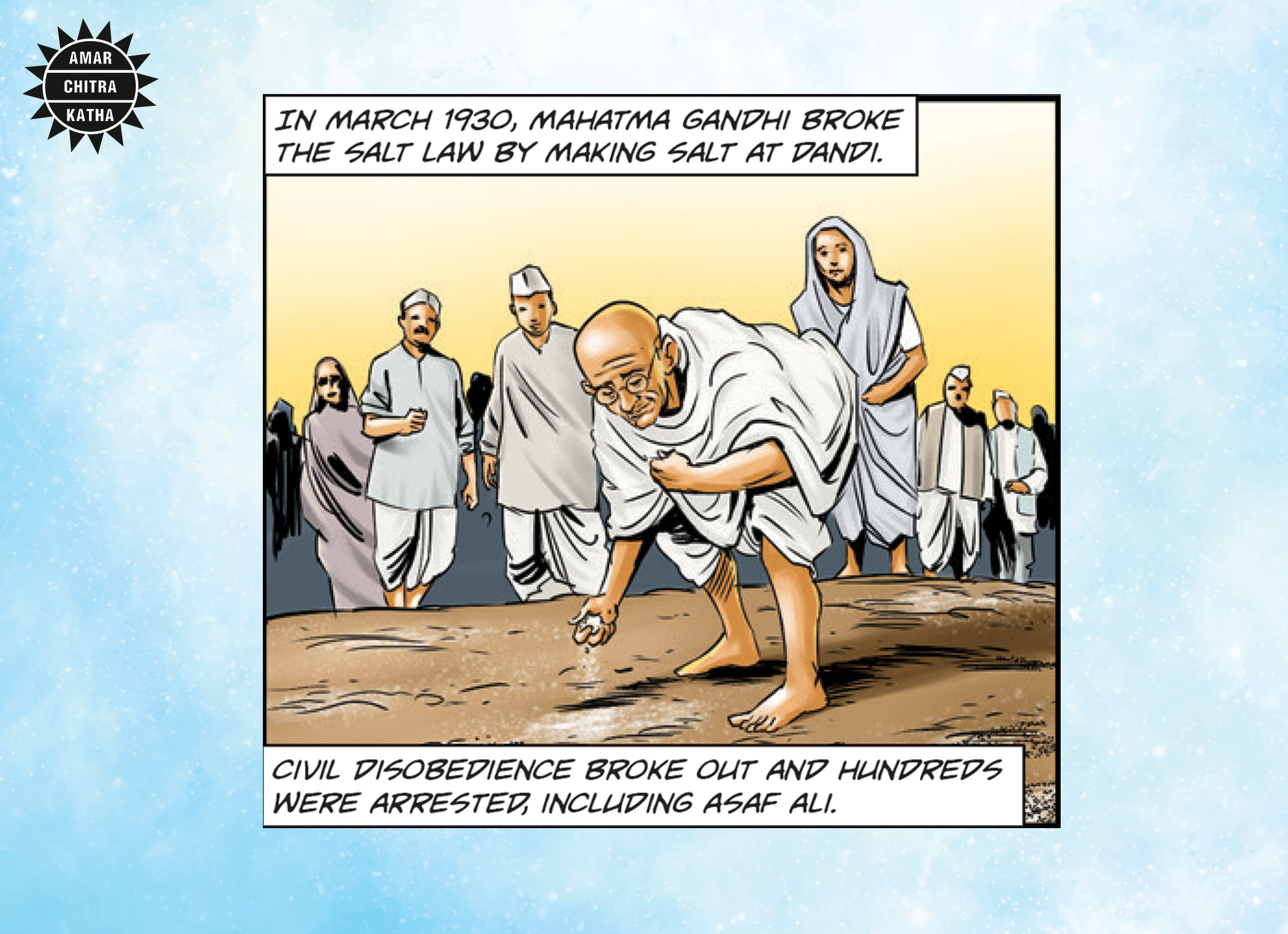
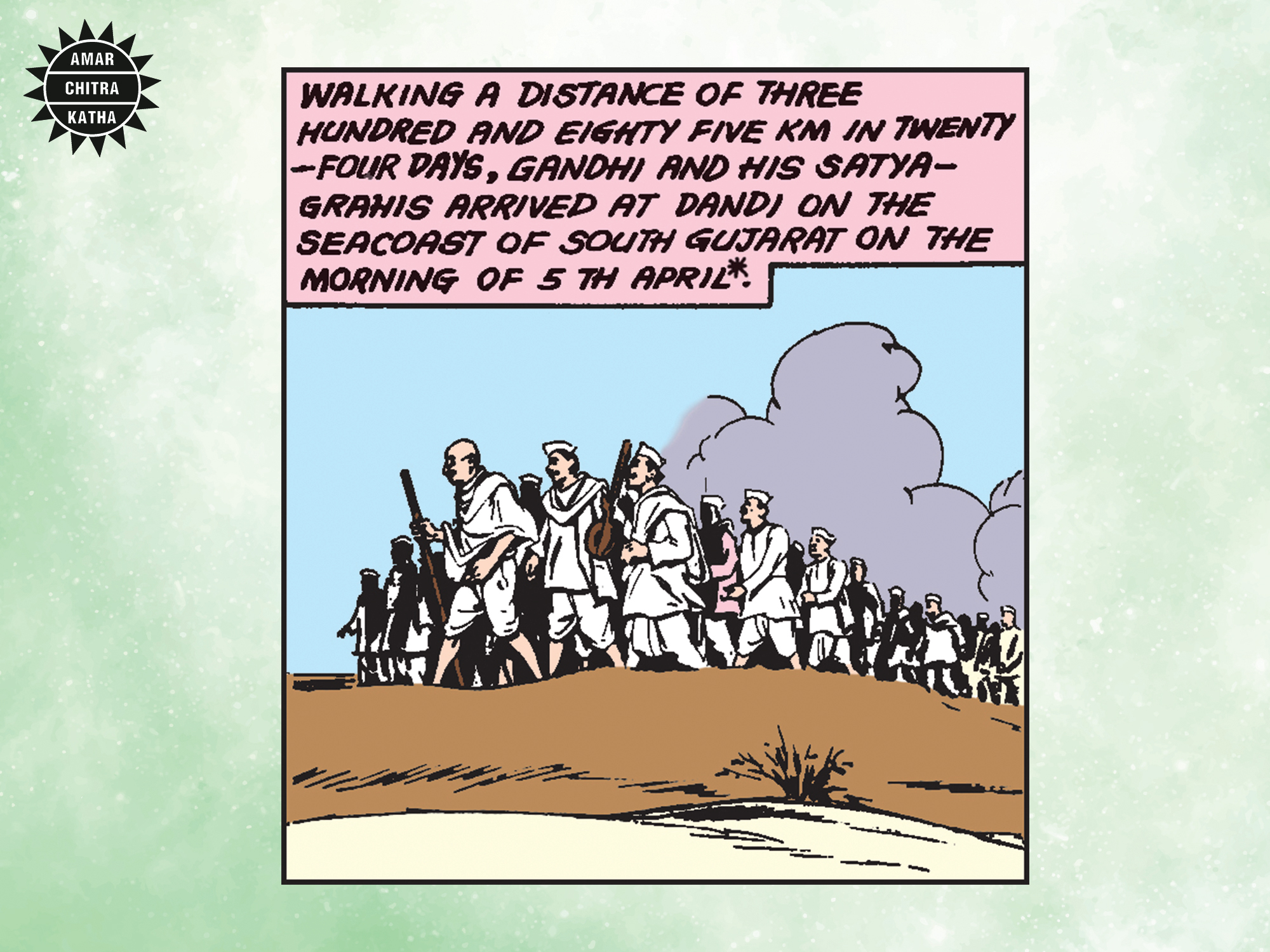
Along the 240-mile route, villagers swept and watered the roads ahead of the marchers and showered them with flowers, and the walking crowd grew larger with each passing day. By the time Gandhi reached the sea on 5th April and broke the law the next morning by making salt, the march had grown from a small band of volunteers into a movement carried forward by entire communities along its path.
Gandhi had initially hesitated to involve women directly in the march, but Sarojini Naidu and Kamaladevi Chattopadhyay were among those who insisted on taking part. When Gandhi was arrested in May 1930, just before the planned raid on the Dharasana Salt Works, it was Naidu who stepped forward to lead the volunteers in his place. Across the country, women picketed liquor shops and stores selling foreign cloth, made salt illegally in their own homes, and courted arrest alongside the men, a scale of participation that British officials themselves noted as an unprecedented turn in the freedom struggle.
Quit India and Its Many Fronts
By August 1942, with the Second World War underway and negotiations over India’s future stalled, the Congress made its most direct demand yet: an immediate end to British rule. On 8th August, Gandhi addressed a session of the All India Congress Committee at Bombay’s Gowalia Tank Maidan, giving India the mantra of ‘Do or Die’. Within hours, the British moved to crush the movement before it could properly begin, arresting Gandhi, Nehru, Patel and nearly the entire Congress leadership overnight. For a moment, it looked as though the Quit India Movement might collapse before it had truly started. Instead, it was carried forward by those the British had not thought to arrest.
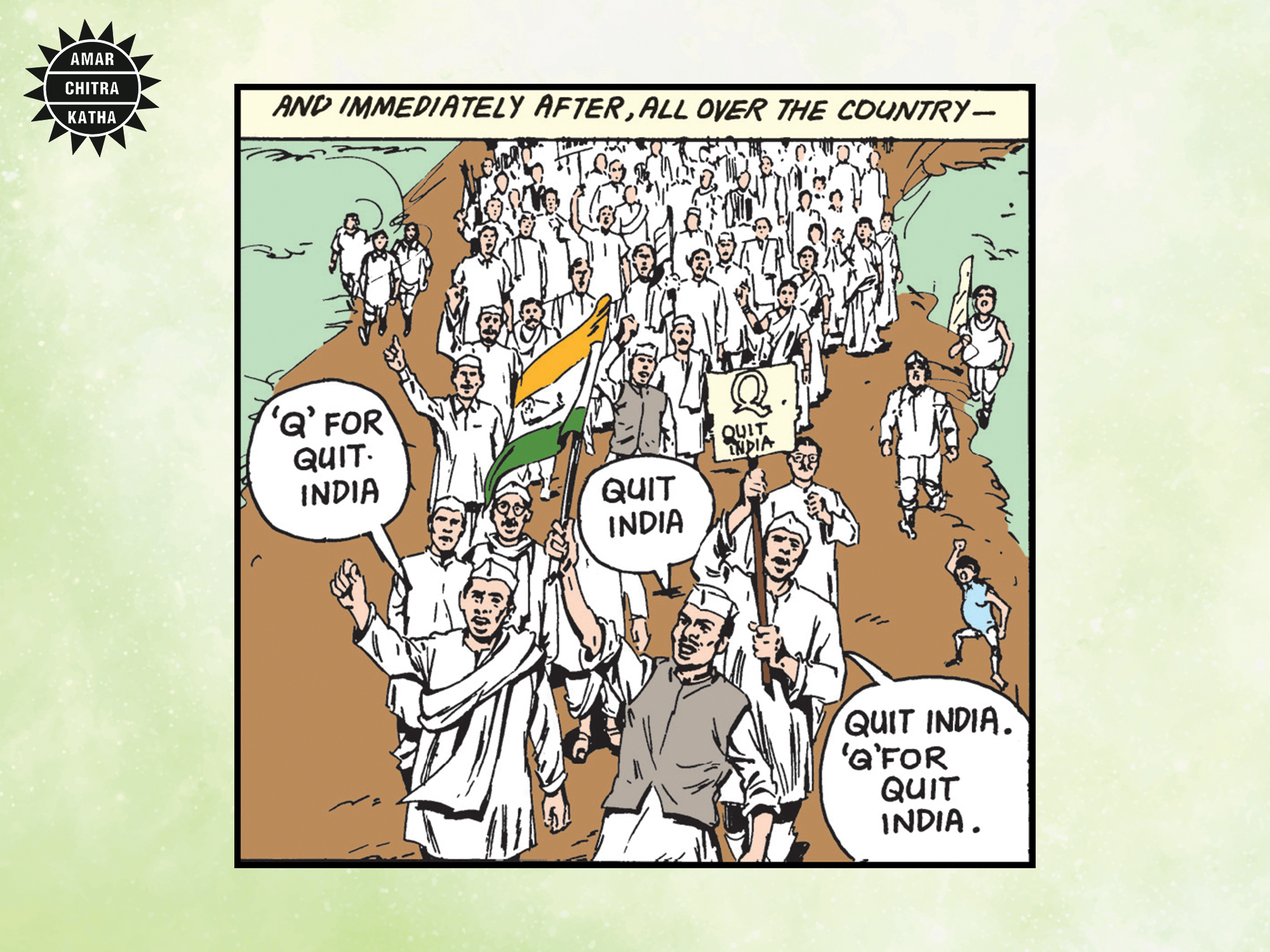
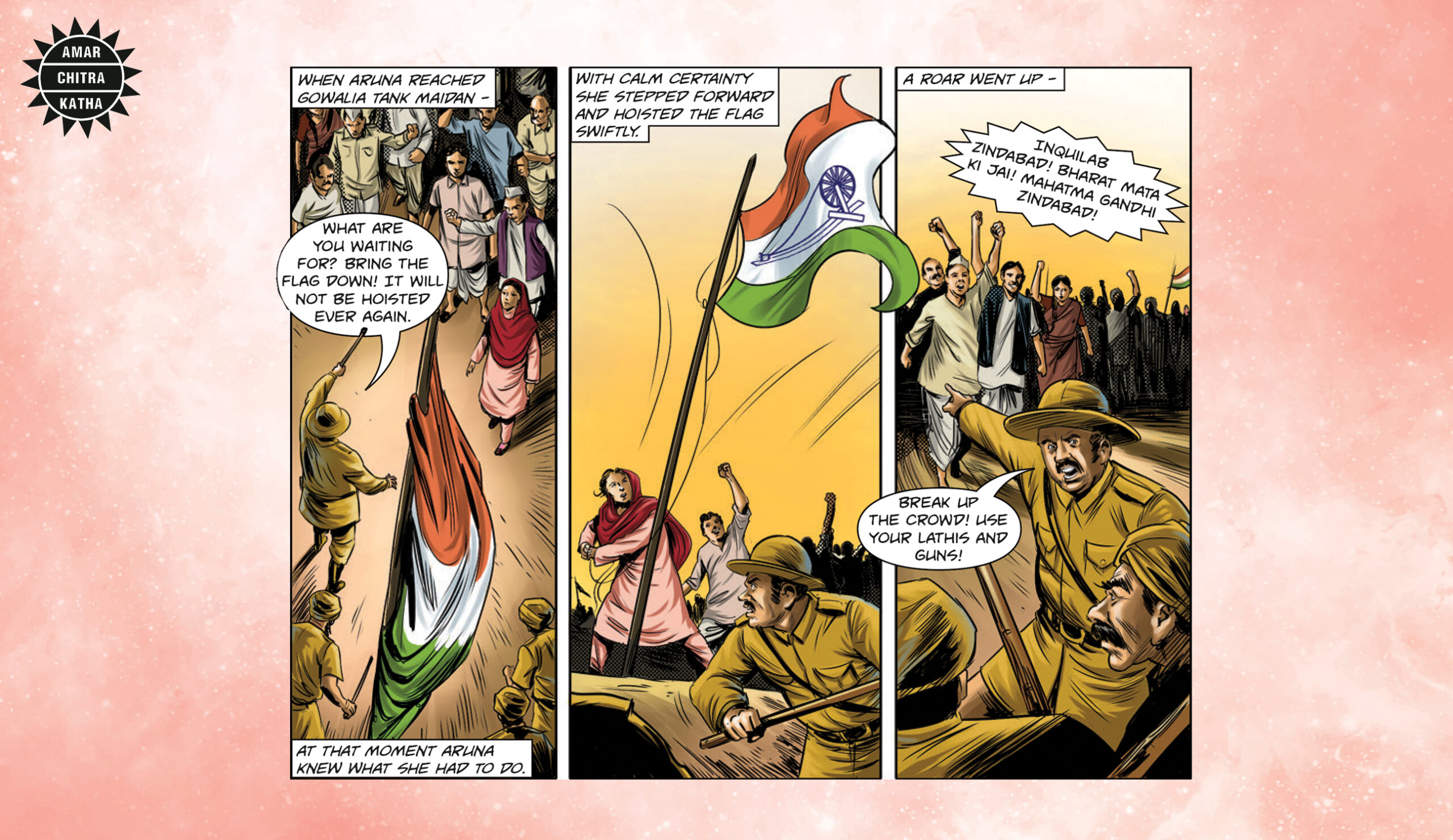
The next day, 9th August, a 33-year-old Congress worker named Aruna Asaf Ali took the stage the senior leadership had just been dragged from and hoisted the Congress flag at Gowalia Tank Maidan before the waiting crowd, formally launching the movement in the leaders’ absence. She went underground soon after, evading capture for years while helping coordinate the resistance from hiding.
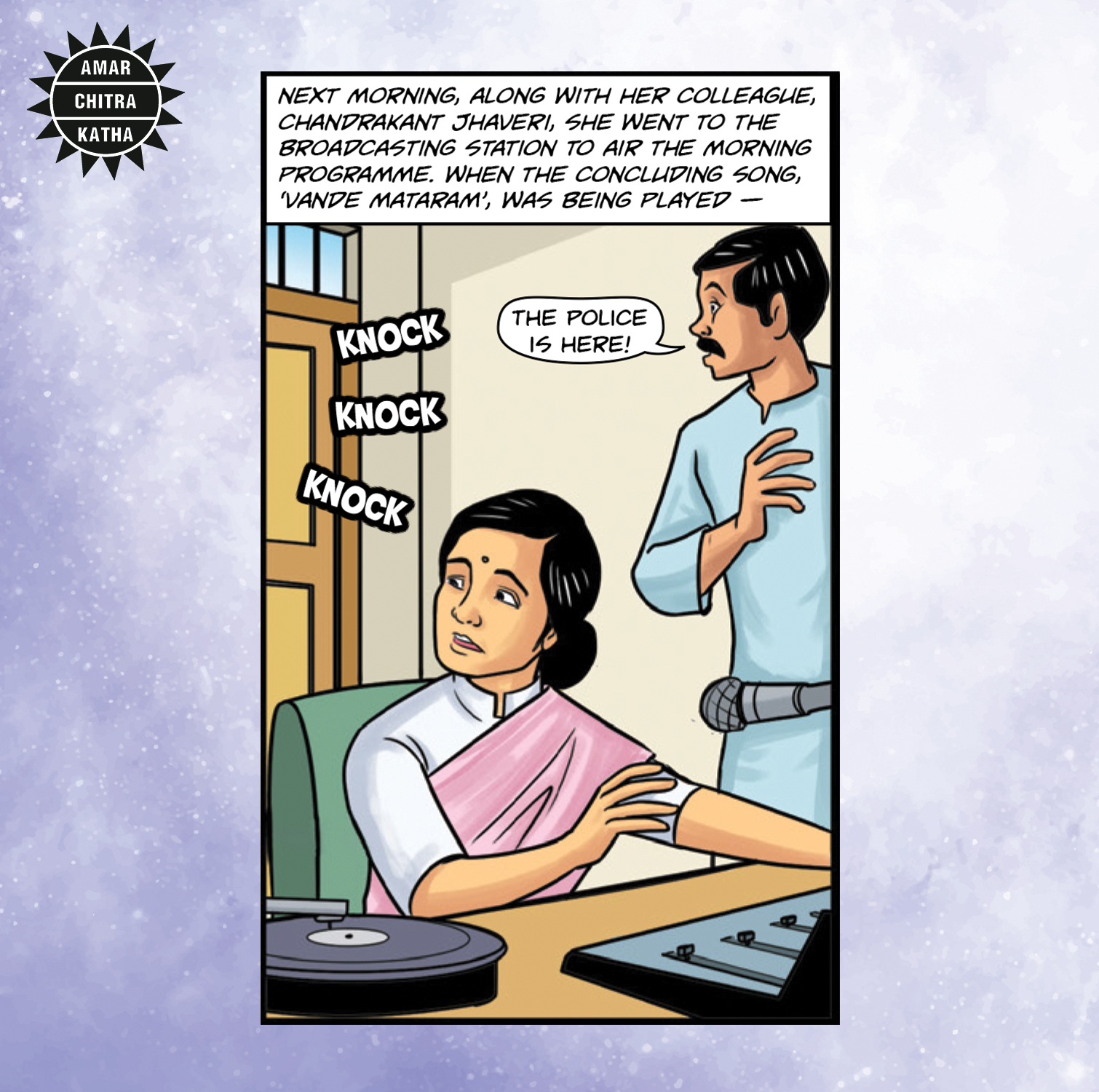
Elsewhere in Bombay, a 22-year-old postgraduate student named Usha Mehta took up a different kind of resistance. With press censorship tightening, Mehta and a small group of associates built a clandestine radio transmitter that went on air on 27th August 1942 as the Secret Congress Radio, broadcasting news of the movement, Gandhi’s messages, and nationalist songs to listeners across the country, reportedly reaching as far as Japanese-occupied Burma, from wavelength 42.34 metres. Mehta and her team moved the transmitter constantly to stay ahead of British trackers, until she was finally arrested that November and imprisoned for four years, having refused to give up her associates even under interrogation.
Beyond Bombay, the movement took root in ways the Congress leadership, locked away in prison, could not have coordinated. In pockets of the country where British administration had crumbled under the weight of protest, ordinary people set up parallel governments of their own: in Ballia, Chittu Pandey led locals in briefly taking over the district administration; in Tamluk in Bengal, the Tamralipta Jatiya Sarkar ran cyclone relief and local justice for close to two years; and in Satara, the Prati Sarkar organised village courts and welfare work well into 1945. None of these governments lasted, and most were eventually reclaimed by British forces. But together, they demonstrated something the British could not easily suppress, that after August 1942, the demand for freedom no longer depended on any single leader to carry it forward.
From a flag torn down in Jabalpur to a radio broadcasting in secret, India’s freedom was built as much by these lesser-told acts of defiance as by the leaders whose names we remember first. As we mark Quit India, International Youth Day and Independence Day this August, it is worth remembering that the freedom struggle was never carried by one voice alone, but by thousands who each found their own way to answer it.
Read more stories about Indian History, Culture and Mythology on our very own ACK Comics App.
To receive more such stories in your Inbox & WhatsApp, Please share your Email and Mobile number.
Comic of The Month
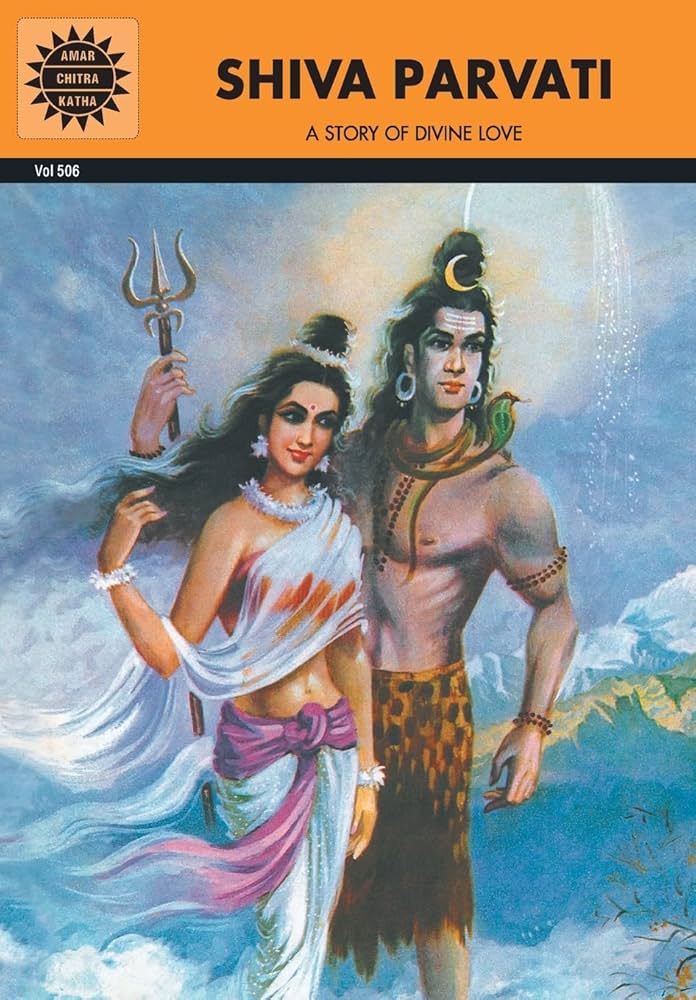
Shiva Parvati
A powerful demon threatens the gods in their heaven. They need a savior, who, Lord Brahma decrees, will be the son born to Shiva and Parvati. But Shiva, a badly-dressed, untidy, solitary ascetic, seems to enjoy bachelorhood. Even Parvati's unmatched beauty aided by Kama, the god of love, seems unequal to the task of enchanting the stern lord. This illustrated classic is based on Kumara Sambhava of Kalidasa.