


Thaipusam: A Festival of Devotion and Discipline
- February 1, 2026
Thaipusam: A Festival of Devotion and Discipline
- February 1, 2026
by Shree Sauparnika V.
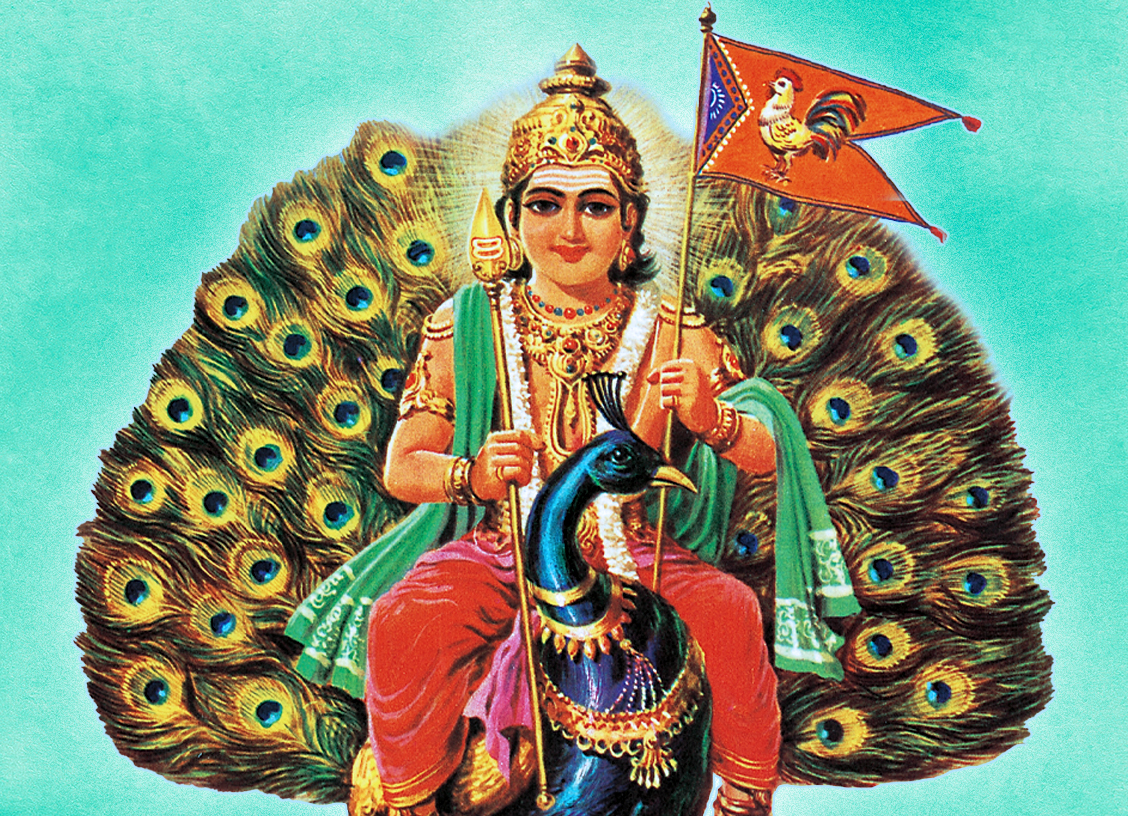
Thaipusam is a Hindu festival dedicated to Lord Murugan, the god of courage, wisdom, and war. Celebrated during the Tamil month of Thai (January–February), coinciding with the Pusam star, the festival is observed by Tamil communities in India, Sri Lanka, Malaysia, Singapore, and across the world. Among these, Malaysia hosts the largest Thaipusam celebrations in the world, with millions of devotees gathering each year, most notably at the Batu Caves near Kuala Lumpur. Not only is Thaipusam a visual spectacle, it is also an intense expression of faith, discipline, and personal commitment.
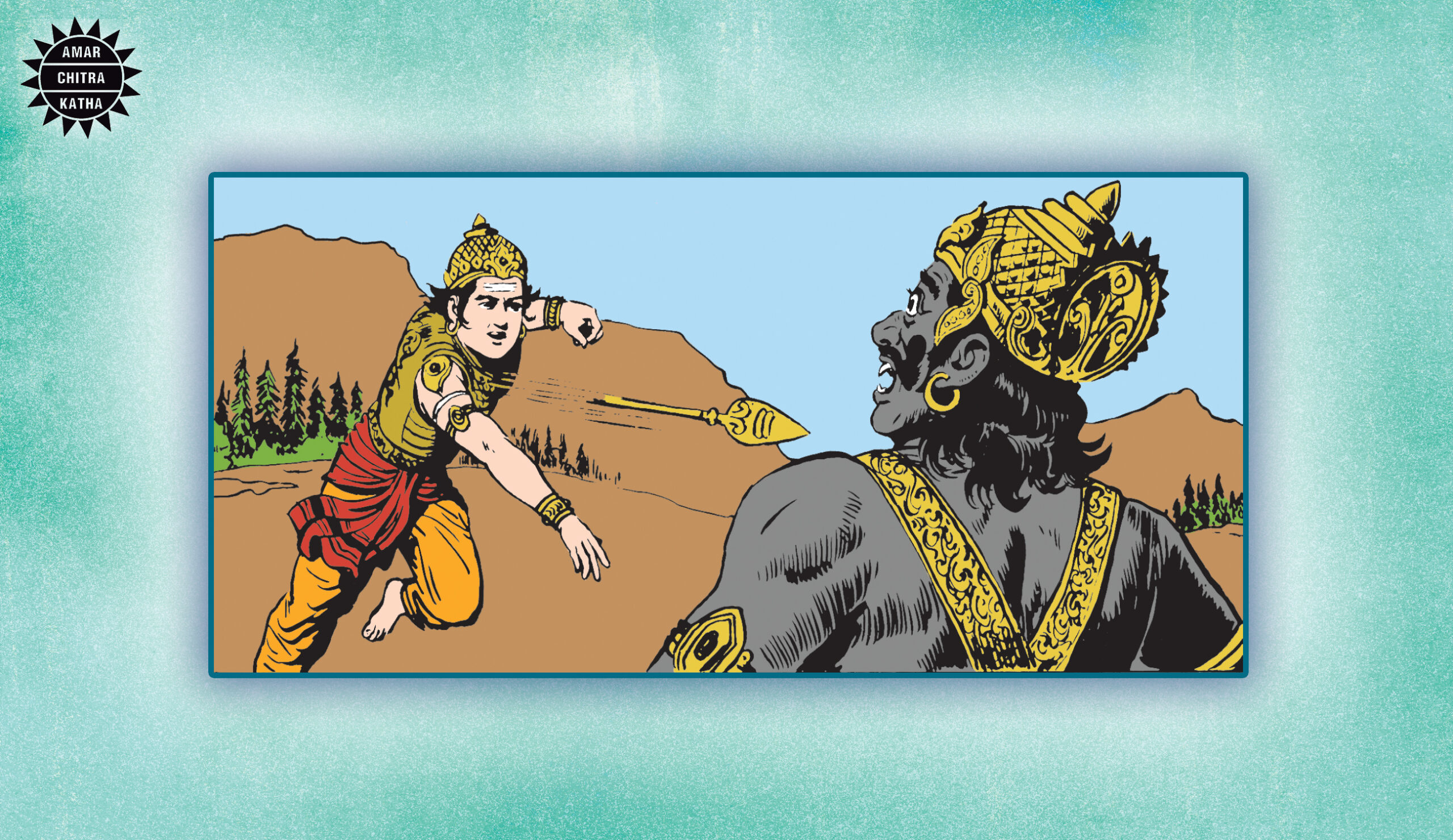
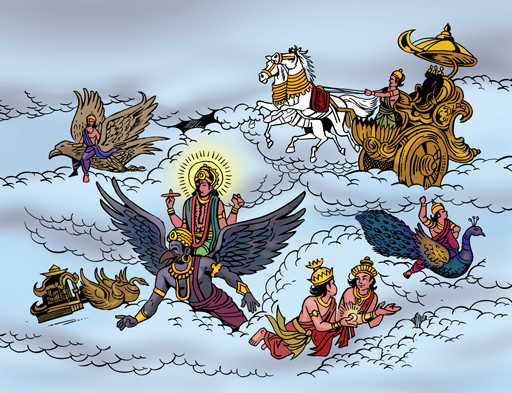
The festival is rooted in Hindu mythology. According to legend, Surapadman, a powerful shape-shifting demon king, grew arrogant after gaining boons through severe penance and began to oppress gods and humans alike. To restore balance, Goddess Parvati gifted her son, Murugan, the divine spear, the vel. After a fierce battle, Surapadman tried to escape by transforming himself into a big bird and then a tree. With one decisive strike of the vel, Murugan split the tree into two, making Surapadman resume his original form. As he fell, it is believed that something changed within him.
To receive more such stories in your Inbox & WhatsApp, Please share your Email and Mobile number.
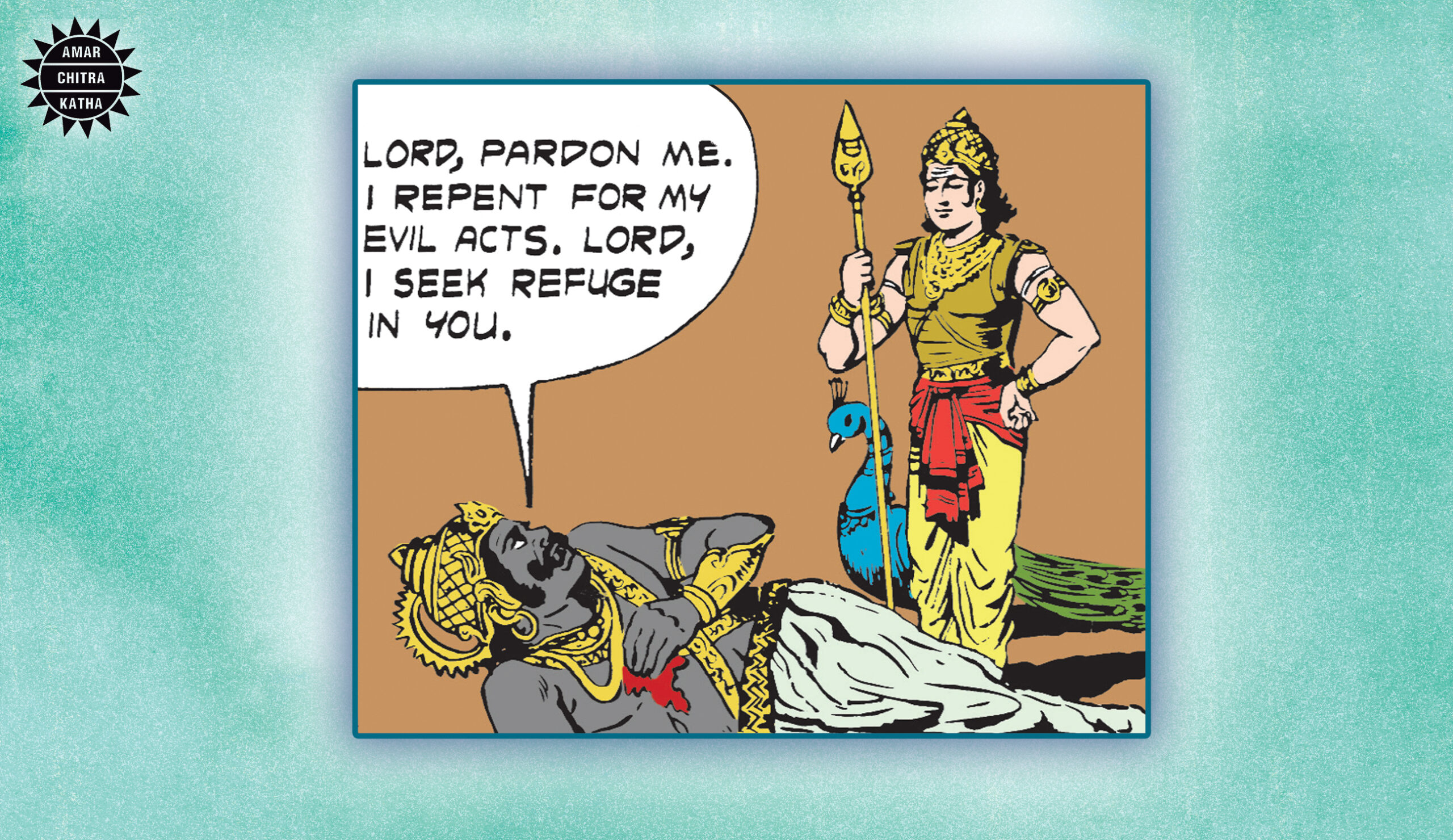
Surapadman showed true repentance for all his evil acts, and Murugan showed mercy—transforming one half of Surapadman into his peacock vahana and the other into the rooster on his battle flag. The story symbolises the destruction of ego and ignorance, and the possibility of redemption through surrender.
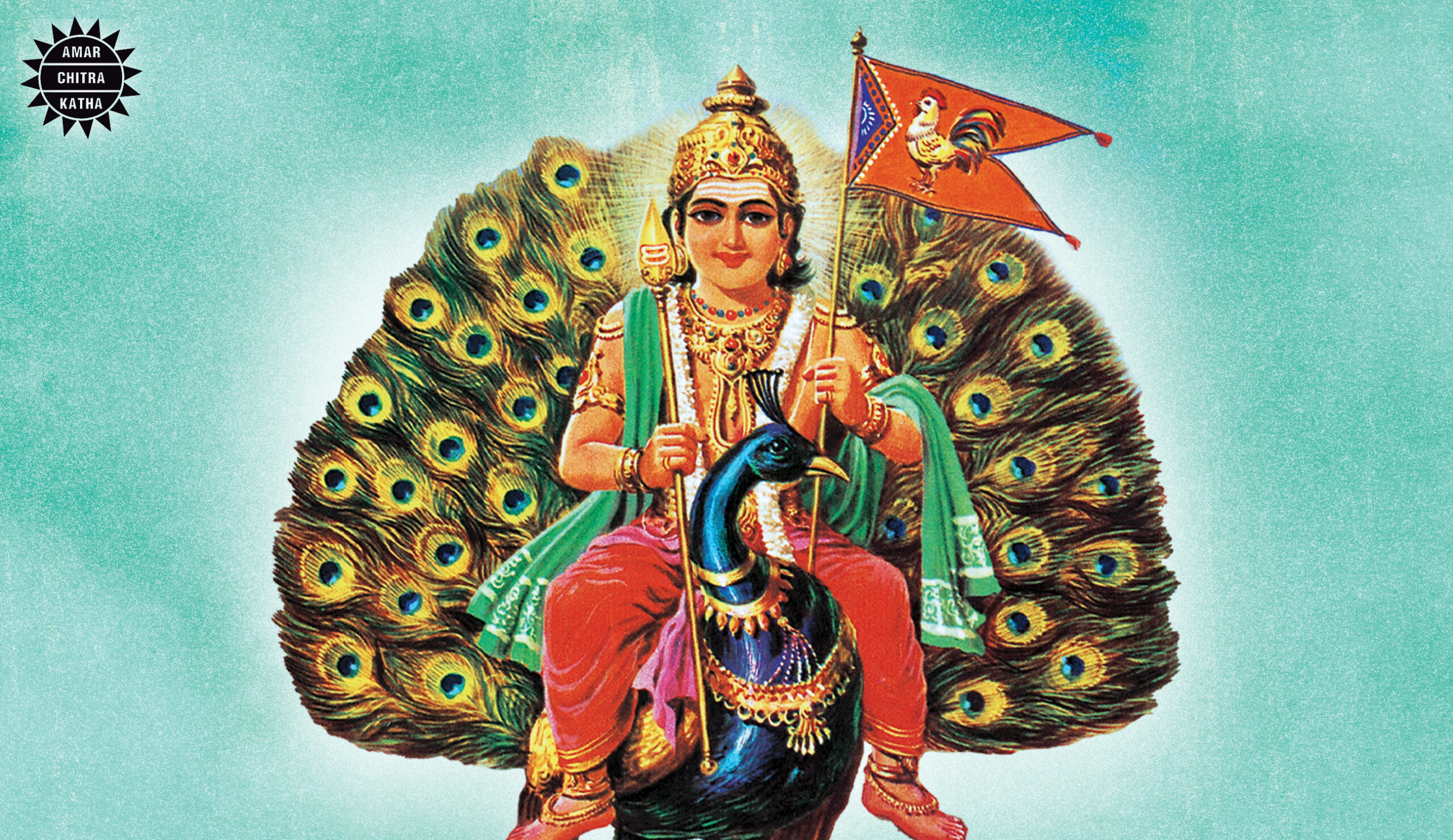
In the weeks leading up to Thaipusam, devotees prepare for the festival through fasting, prayer, and vows of purity. On the day of the festival, many undertake long pilgrimages to Murugan temples, often walking barefoot as an act of penance and devotion. A central ritual of Thaipusam is the carrying of the ‘kavadi’—a physical and symbolic burden offered to the deity. The word kavadi means ‘burden’, symbolising the weight of one’s vows, prayers, and past actions being consciously surrendered to Lord Murugan. Traditionally carried on the shoulders, kavadis may be simple wooden frames or elaborate structures adorned with flowers, peacock feathers, and images of the deity. Carrying the kavadi is both a physical and spiritual discipline, representing the surrender of ego and past actions to the divine.
Another distinctive aspect of the festival is ritual body piercing, undertaken by some devotees as a form of controlled spiritual discipline. These voluntary practices are undertaken after periods of fasting and prayer and are believed to be guided and protected by Lord Murugan’s grace.
Accompanied by chants of “Vel! Vel! Muruga!” and strong community support, Thaipusam becomes a shared spiritual journey—one that emphasises transformation, humility, and renewed faith.
Read the entire Mythology behind Muruga at our very own ACKComics App.
To receive more such stories in your Inbox & WhatsApp, Please share your Email and Mobile number.
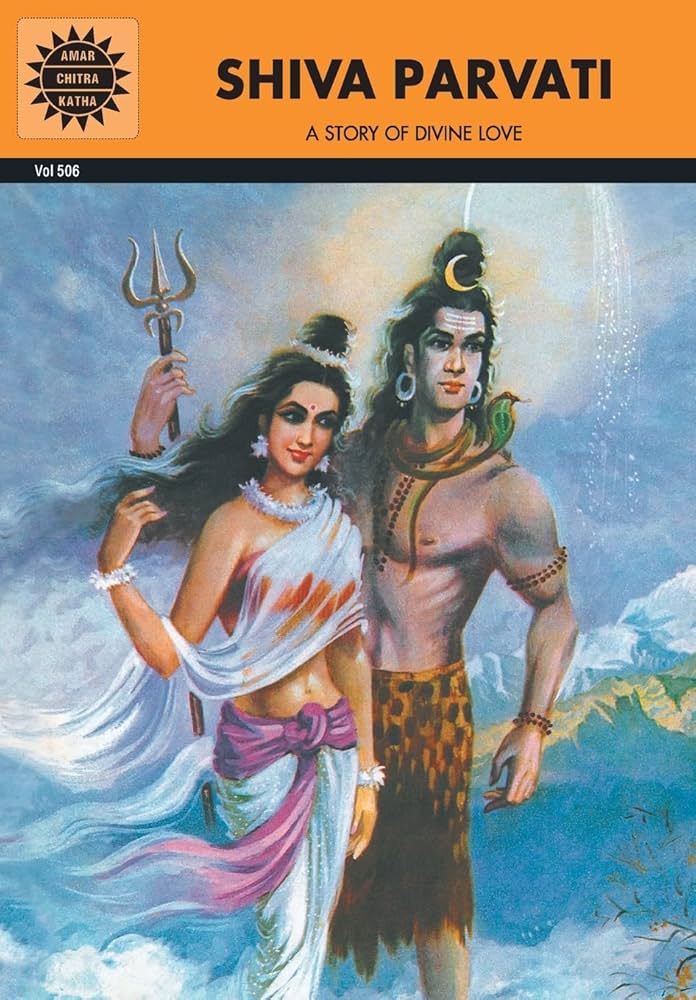
Comic of The Month
Shiva Parvati
A powerful demon threatens the gods in their heaven. They need a savior, who, Lord Brahma decrees, will be the son born to Shiva and Parvati. But Shiva, a badly-dressed, untidy, solitary ascetic, seems to enjoy bachelorhood. Even Parvati's unmatched beauty aided by Kama, the god of love, seems unequal to the task of enchanting the stern lord. This illustrated classic is based on Kumara Sambhava of Kalidasa.