


Keeping Mother Tongues Alive
- February 21, 2026

Keeping Mother Tongues Alive
- February 21, 2026
by Keya Gupta
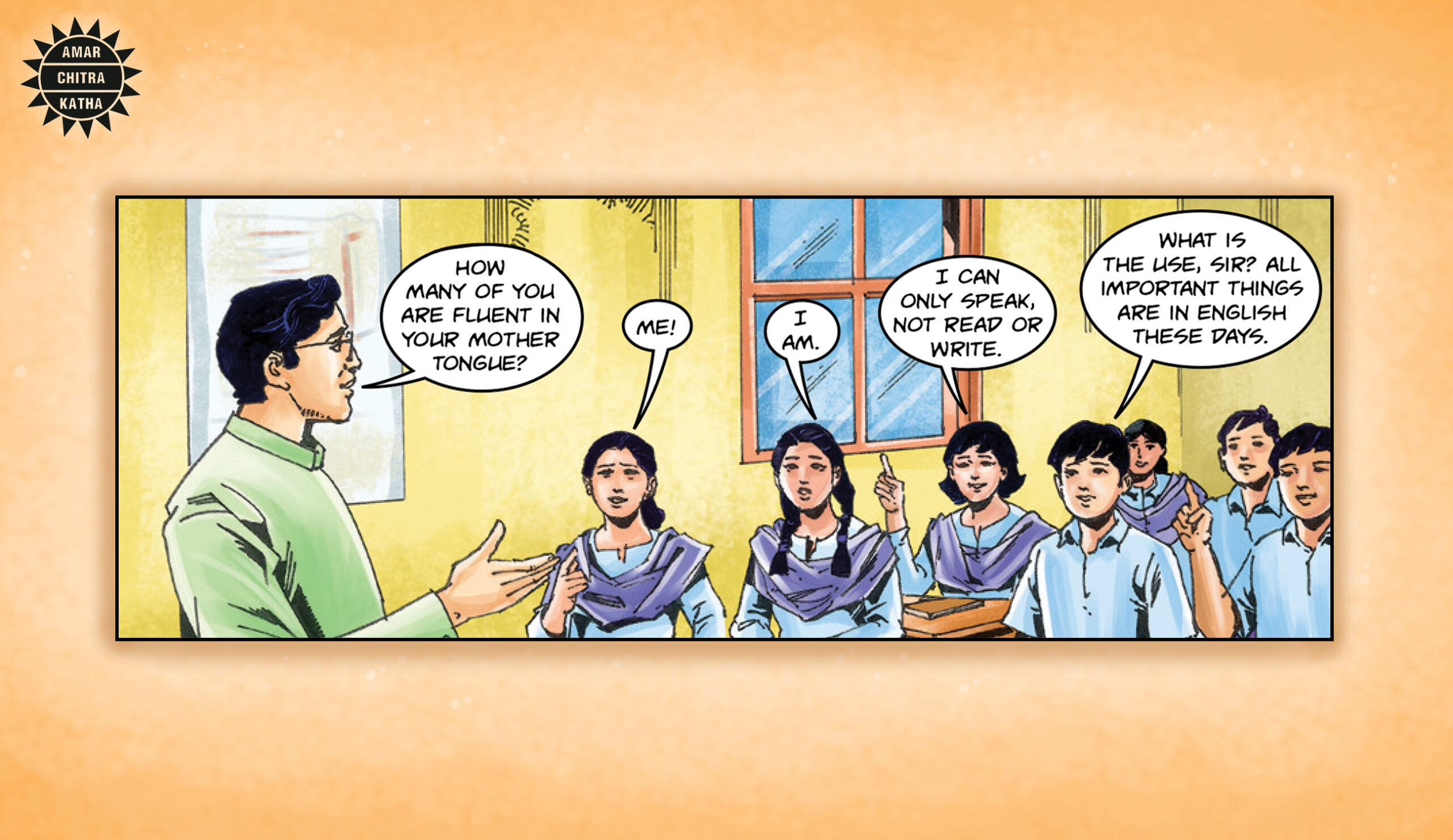
Often, the first words we ever speak are in our mother language. As we grow up, due to school, work, and the internet, we end up going about our daily lives in more ‘useful’ or ‘global’ languages. Slowly, the language of our childhood falls silent. We still understand it, but we might hesitate to speak it.
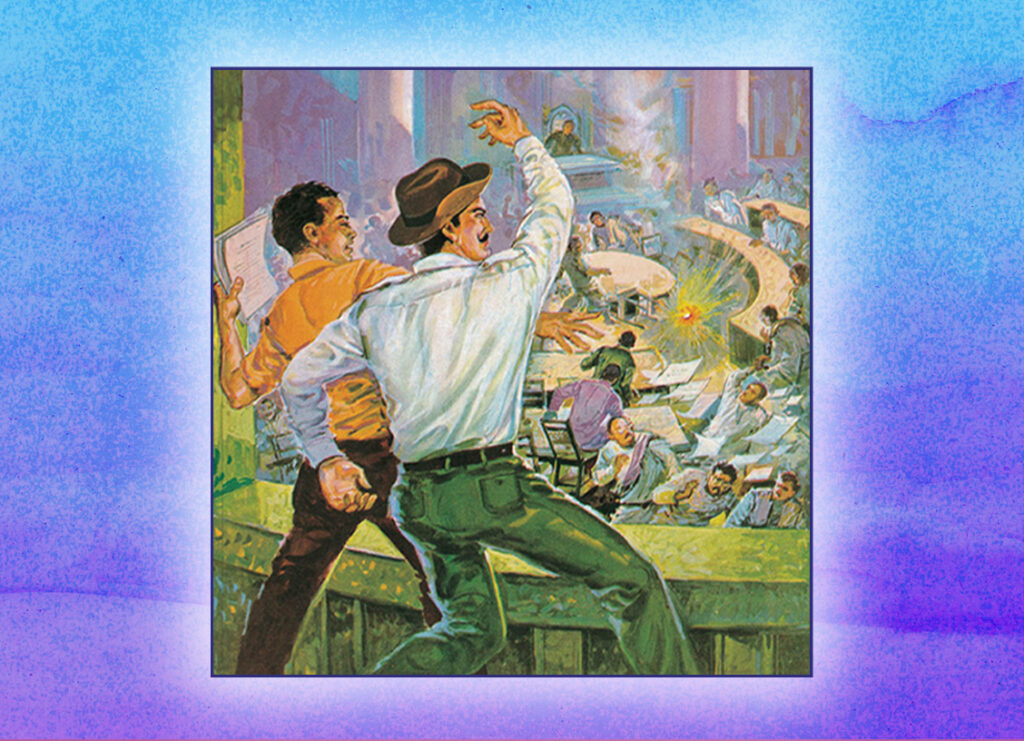
The fear of such loss led to the creation of International Mother Language Day, observed on 21st February. After the Partition of India, present-day Pakistan and Bangladesh were one country divided into two parts, West and East Pakistan, respectively. They majorly followed the same religion but were separated by thousands of kilometres and many differences, including language. After Independence, in 1948, Urdu was declared the only national language of all of Pakistan. This included East Pakistan and its people, for whom Bengali was the mother tongue. They protested this decision and demanded that their language also be recognised. On 21st February 1952, police fired on student demonstrators in Dhaka and several young people died in defence of their mother language. Their sacrifice not only strengthened the Bengali language movement but also paved way for the freedom struggle that led to the birth of Bangladesh in 1971. Bangladesh later commemorated this as Shaheed Day, and in 1999, at Bangladesh’s initiative, UNESCO proclaimed 21 February as International Mother Language Day to honour these martyrs and to celebrate and protect all the world’s mother tongues.
To receive more such stories in your Inbox & WhatsApp, Please share your Email and Mobile number.
In India, only Hindi and English are official languages used for central government affairs, and the constitution recognises 22 languages in its Eighth Schedule. However, the number of languages spoken is about 19,569 according to the 2011 Census. This includes tribal, regional, and minority languages, which are spoken across the country, many by small communities. Each carries oral histories, knowledge, songs, rituals, and ways of thinking that cannot be fully translated into another language. When a language falls silent, an entire way of being in the world is diminished, and so is the richness of India’s composite culture.
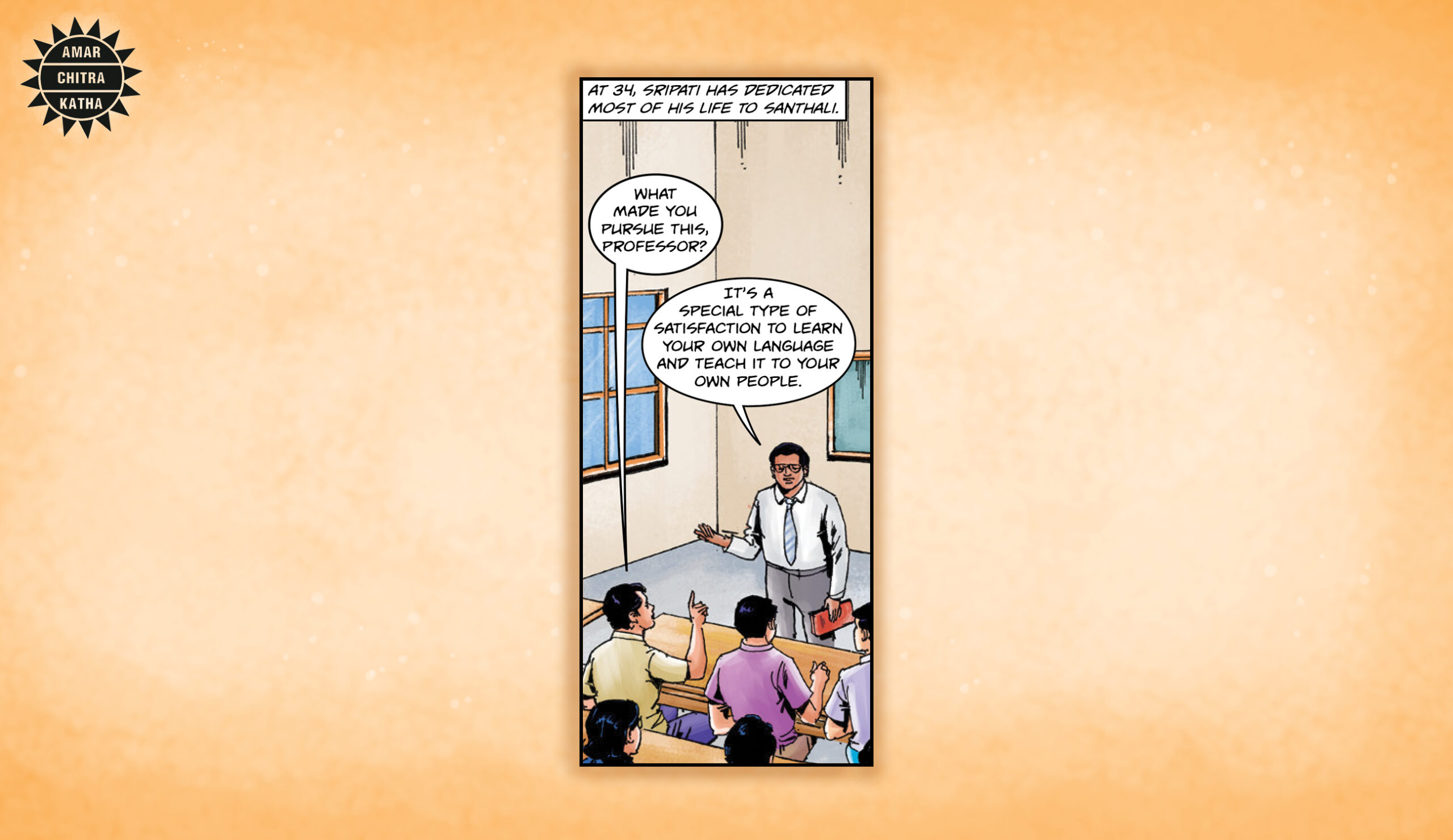
Today, the challenge is not only to remember this history but to actively restore our own mother languages. One heartening effort is that of Sripati Tudu of the Santhal Community. As an assistant professor of Santali at Sidho-Kanho-Birsha University in West Bengal, he undertook the enormous task of translating the Constitution of India into Santali, using the Ol Chiki script. Over 235 pages, he rendered the country’s most important document into the language of his people so that ordinary Santhals, who may not be comfortable in English or other dominant languages, can understand their rights and duties in the words closest to their hearts. His work is a powerful reminder that true democracy is possible only when people can access knowledge in their own tongue.
In another far corner of India in Ketetong village of Assam is a small but powerful movement. The Singpho Mother Tongue School was started by elders who feared that their language, and that of their neighbours, the Tai-Khamyangs, might vanish within the next generation. In small classrooms, children, young adults and even elders learn Singpho and Tai-Khamyang alphabets, words and songs, often with very limited resources but enormous dedication. For these communities, the school is not just about language lessons; it is about holding on to stories, rituals and identities that have survived for centuries. While the school has unfortunately stopped operating, it has sparked a wave of efforts to conserve the Singpho language in Assam.
Beyond basic communication, mother languages carry a rich world of cultural and historical knowledge about communities and their ways of thinking. Keeping these languages alive is not only keeping the memories and words of our childhood alive but also keeping intact the rich cultural heritage of India.
Read more stories about Indian Mythology, History and Culture on our very own ACK Comics App.
To receive more such stories in your Inbox & WhatsApp, Please share your Email and Mobile number.
Comic of The Month
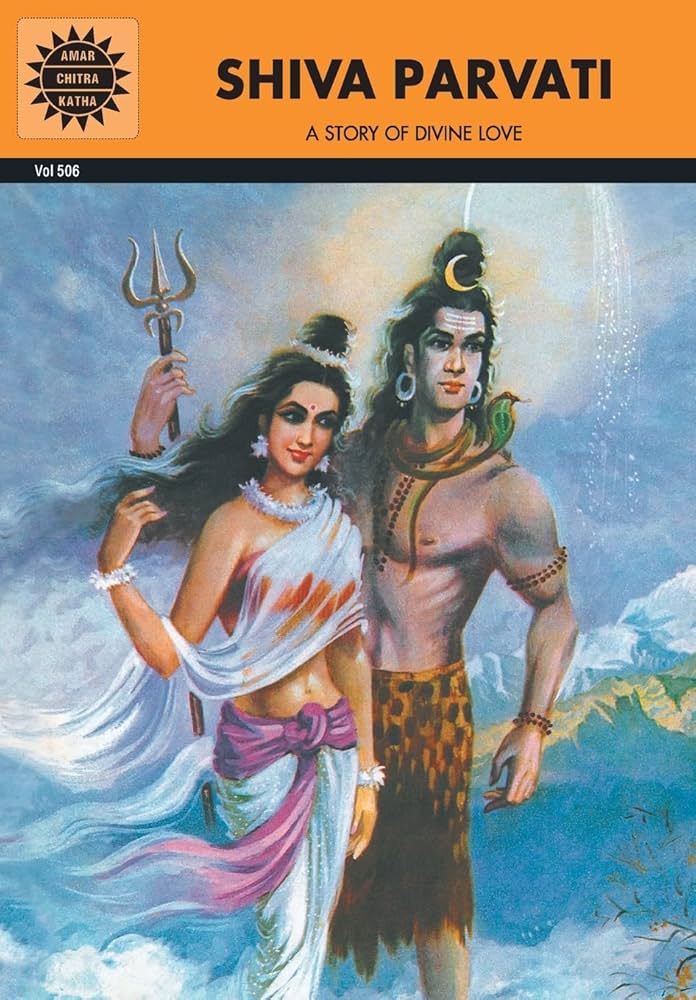
Shiva Parvati
A powerful demon threatens the gods in their heaven. They need a savior, who, Lord Brahma decrees, will be the son born to Shiva and Parvati. But Shiva, a badly-dressed, untidy, solitary ascetic, seems to enjoy bachelorhood. Even Parvati's unmatched beauty aided by Kama, the god of love, seems unequal to the task of enchanting the stern lord. This illustrated classic is based on Kumara Sambhava of Kalidasa.