


Vishwakarma Jayanti: Honouring the Divine Architect
- September 17, 2026

Vishwakarma Jayanti: Honouring the Divine Architect
- September 17, 2026
by Keya Gupta
In workshops across the country this week, mechanics will wipe down their tools and set them aside, just for a day. Weavers will do the same with their looms, blacksmiths with their hammers and potters with their wheels. As the Sun moves into Virgo, factories and workshops take a pause, all in honour of Vishwakarma Jayanti.
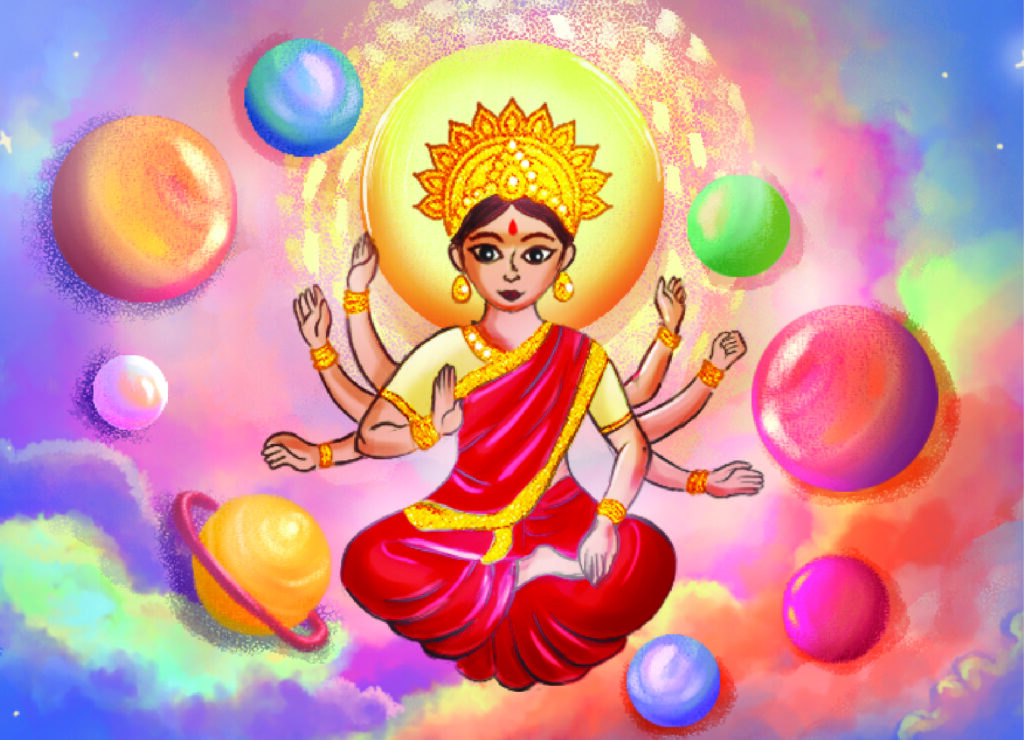
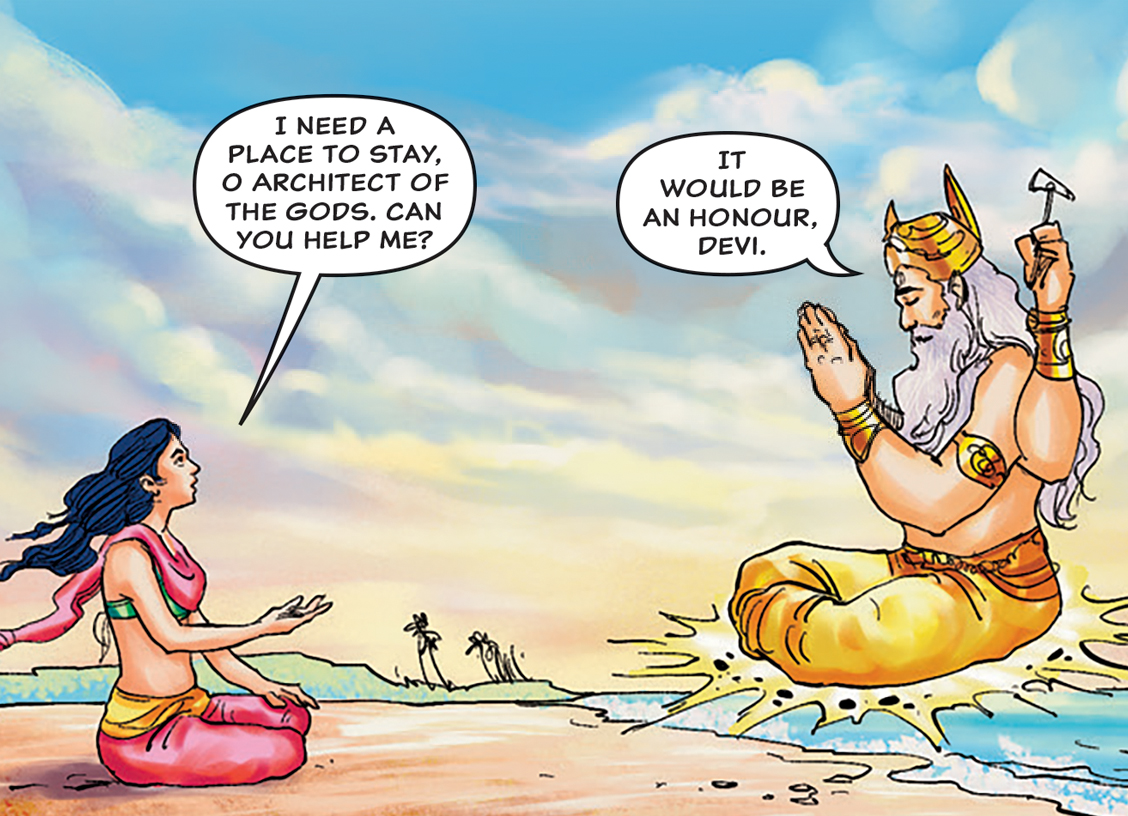
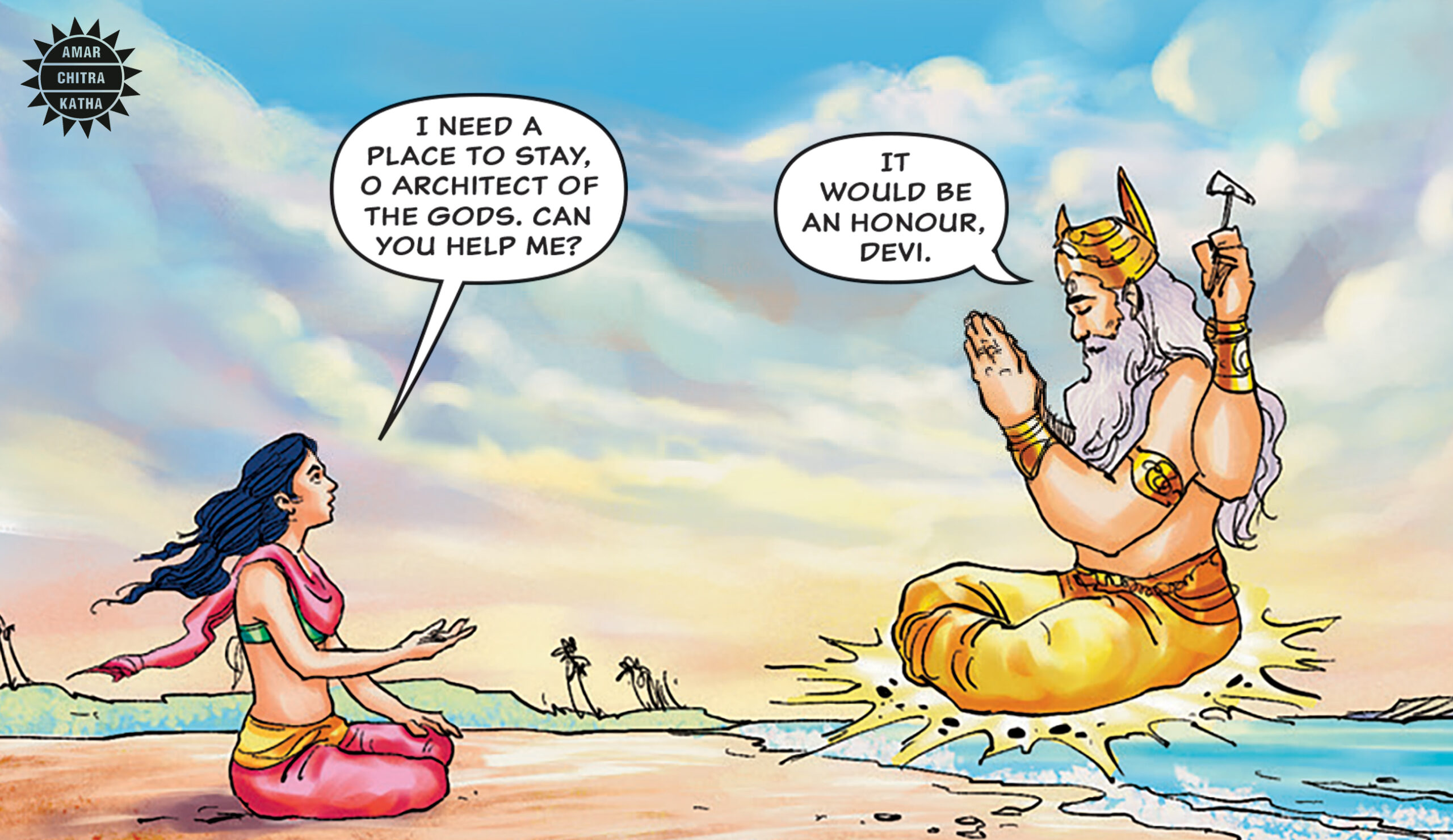
Vishwakarma is the divine architect and engineer of the universe, the craftsman behind the gods’ creations. He is remembered as the maker of Lanka, later seized by Ravana, and of the flying chariot, Pushpak Vimana, fashioned for Kubera before it passed through other hands. He is said to have built Dwarka for Krishna and Indraprastha for the Pandavas, working in the Mahabharata alongside the illusionist-architect Maya. He forged Indra’s thunderbolt from the bones of the sage Dadhichi, shaped Shiva’s trident and Vishnu’s discus, and is even credited with carving the wooden forms of Jagannath and his siblings, still worshipped today at Puri. He is usually depicted with four arms, holding a measuring scale, a water pot, a book and a set of tools, each object an ode to the precision, learning and patience that true craftsmanship demands.
To receive more such stories in your Inbox & WhatsApp, Please share your Email and Mobile number.
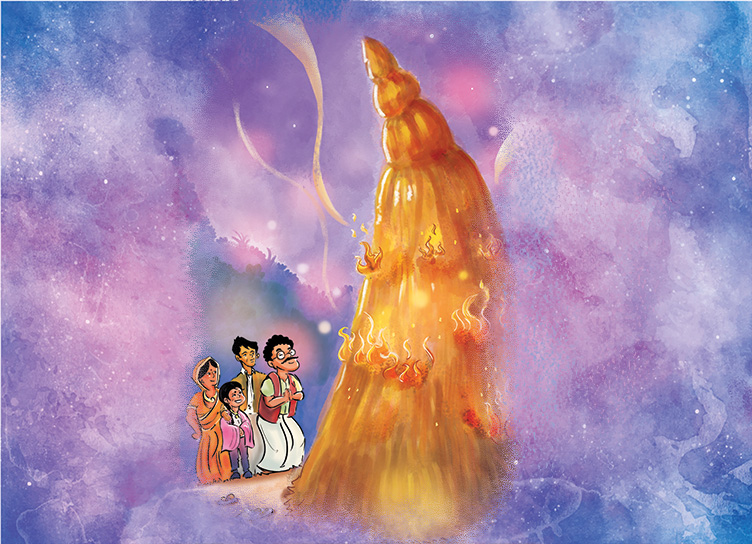
It is fitting, then, that this festival finds its home not in temples but in workplaces. Engineers, architects, mechanics, weavers, potters and factory workers see this as their day to pay tribute to the tools of their trade. The rituals begin early, with workspaces swept and decorated with flowers, buntings and rangoli, while machinery, instruments and vehicles are washed, garlanded and set aside, unused, for the day. An idol or framed image of Vishwakarma is installed on a small altar, often adorned with marigolds and mango leaves, and the community gathers for a puja led by a priest or by senior workers themselves. Sweets, fruits and incense are offered, along with prayers that ask not for wealth or victory but for skill, safety and the steady inspiration to keep creating. In many workplaces, the day carries a festive, almost holiday air: colleagues share a meal together, children are sometimes brought along to see their parents’ tools honoured, and kite-flying is a popular pastime in parts of the country, with skies over industrial towns filling with colour for the occasion.
The date and manner of celebration shift depending on where you are. In large parts of northern and western India, it falls on 17 September nearly every year, tied to the fixed solar movement of Kanya Sankranti (the day the Sun moves into Virgo), unlike most Hindu festivals that follow the lunar calendar. In eastern India, particularly West Bengal, Bihar, Jharkhand and Odisha, it is instead observed the day after Diwali. In Karnataka and Tamil Nadu, the spirit of the day often merges with Ayudha Puja, when tools and instruments are worshipped as part of the larger Navratri celebrations. Across these regional variations, the underlying idea remains the same: a recognition that behind every machine, building and object lies human effort worth honouring.
In a world increasingly shaped by automation and technology, Vishwakarma Jayanti honours the craftsmen and artists of the world, and helps us remember that care, learning and imagination sit at the heart of every act of creation. It gives workers, so often unseen in the busyness of production, a day when their labour is treated with reverence and gratitude. Whether in a small roadside garage or a sprawling factory floor, the day offers a pause where effort is not simply expected but celebrated.
Read more stories about Indian Mythology, History and Culture on our very own ACK Comics App.
To receive more such stories in your Inbox & WhatsApp, Please share your Email and Mobile number.
Comic of The Month
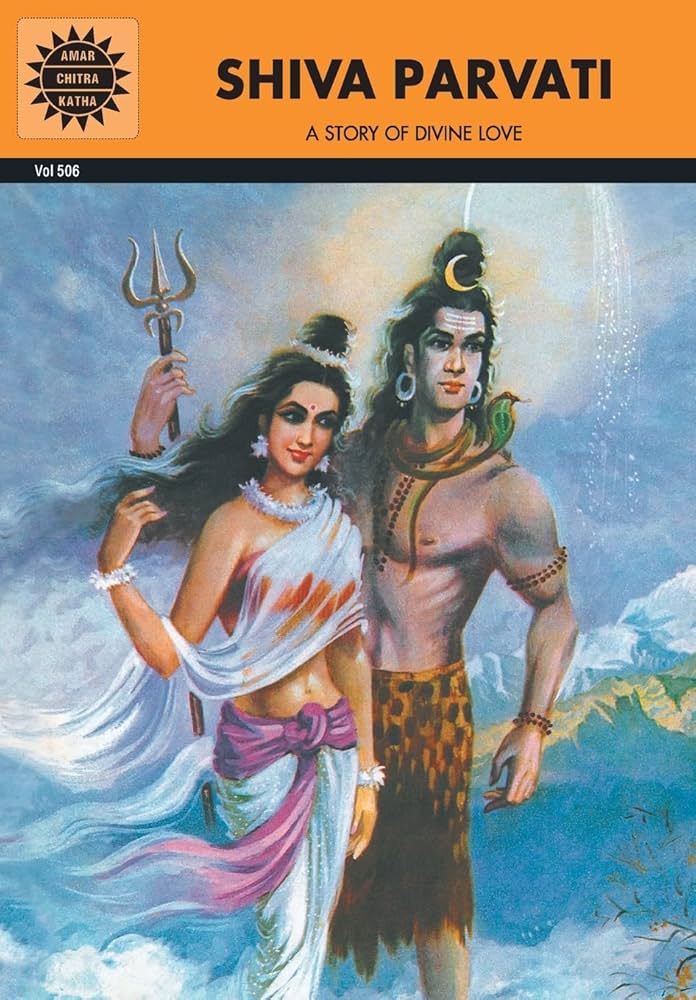
Shiva Parvati
A powerful demon threatens the gods in their heaven. They need a savior, who, Lord Brahma decrees, will be the son born to Shiva and Parvati. But Shiva, a badly-dressed, untidy, solitary ascetic, seems to enjoy bachelorhood. Even Parvati's unmatched beauty aided by Kama, the god of love, seems unequal to the task of enchanting the stern lord. This illustrated classic is based on Kumara Sambhava of Kalidasa.