




The Hands Behind the Music
- August 27, 2026

The Hands Behind the Music
- August 27, 2026
by Shree Sauparnika V
A musical instrument is more than an object. It carries the knowledge, skill and imagination of the community that makes it. Across India, generations of craftspeople have learnt to understand wood, leather, metal, strings, and sound—and turn them into instruments that can sing. Their knowledge is not always written down. It is learnt by watching, listening, practising and passing it on.
Walk through the lanes of Mylapore in Chennai and you may hear the unmistakable sound of a mridangam coming from a small workshop. For some families, making these instruments has been a tradition for generations. One family (of Sebastian and Fernandes) documented in Mylapore, traces its mridangam-making lineage through five generations.
To receive more such stories in your Inbox & WhatsApp, Please share your Email and Mobile number.
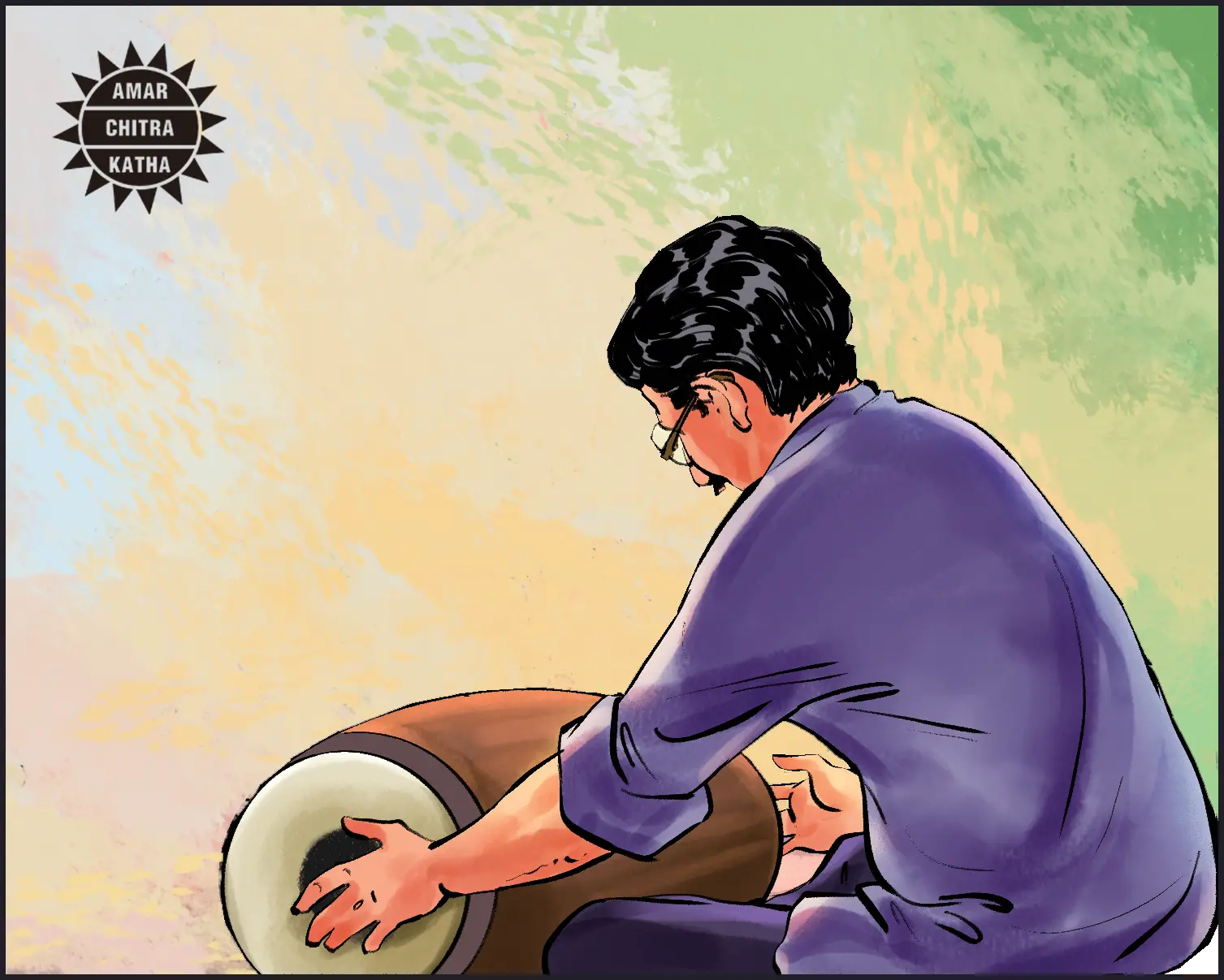
A mridangam’s main body is traditionally made from a single block of jackfruit wood, which is carefully hollowed and shaped; and the two heads from layers of animal hide. The hides must be prepared and stretched to the right tension, while the maker carefully works on the black paste (made of rice powder and iron filings), or soru, on the right head. Small changes in the thickness, tension and placement of these materials can alter the instrument’s pitch, which supports the vocalist it accompanies. The makers have to match the pitch, a skill that takes years to acquire.
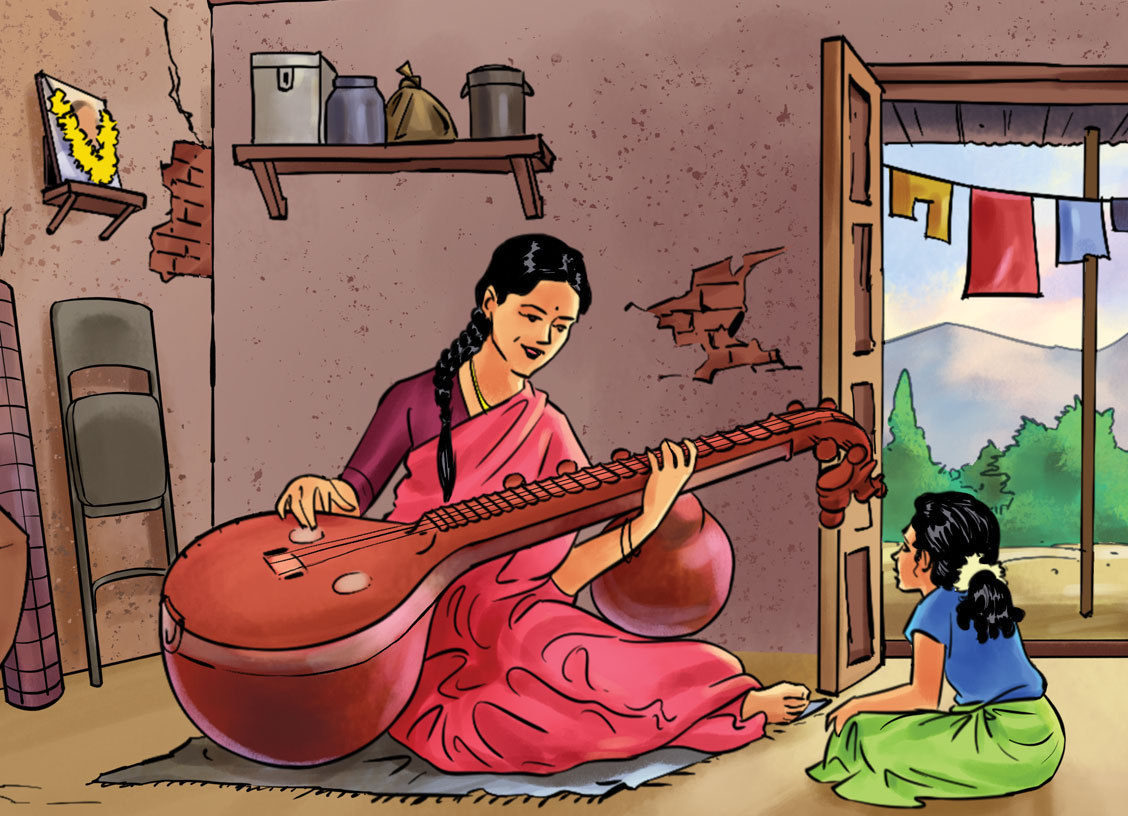
Yet this highly specialised craft remains undervalued, and its makers have historically faced social and economic marginalisation. Their expertise may be essential to music, but the people who possess it are not always recognised as experts.
In Gollapalli, near Bobbili in Andhra Pradesh, the Sarwasiddi community has preserved a remarkable tradition of making the Bobbili Veena. This traditional instrument is carved entirely from a single block of seasoned jackfruit wood (unlike standard veenas which have separate parts). The artisan must carefully shape it into the veena’s distinctive body, neck, and resonating chamber.
The veena is then fitted with metal frets and strings, while decorative elements may be added to its surface. But the beauty of the instrument is not merely ornamental—the proportions, thickness, and construction of the wood all affect the sound it produces.
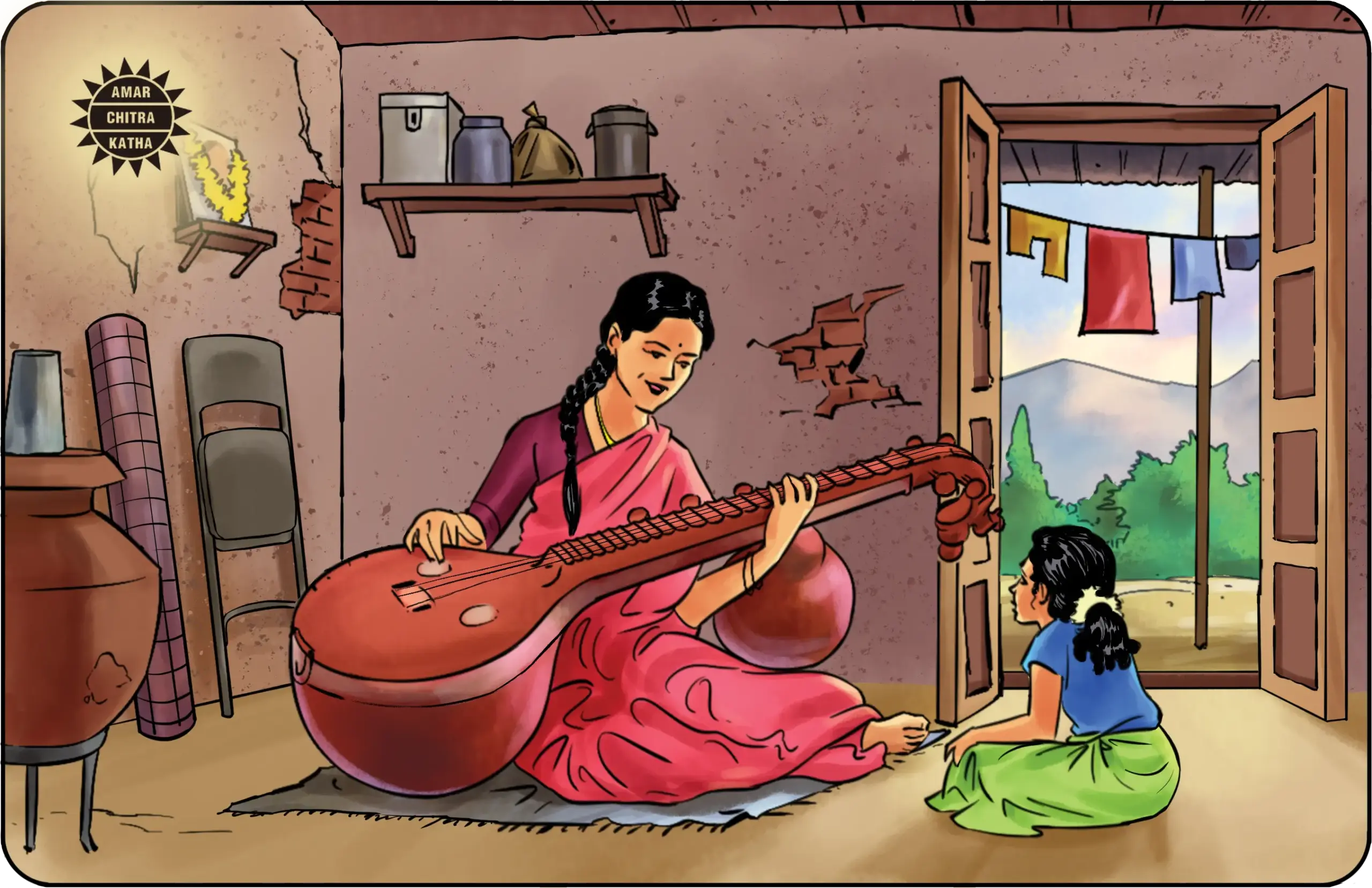
Today, the material itself presents a challenge. Good-quality jackfruit wood is becoming harder and more expensive to obtain, threatening both the craft and the livelihoods of the artisans who depend on it.
In Jharkhand, the village of Andharjhor is known for its traditional instrument makers. Around 70 families have been involved in making instruments such as the tabla, dhol, mandar, and mridangam. Their workshops are part of a community where the skills needed to make percussion instruments have long been a way of life.
A tabla has two parts: the dayan, usually made from wood, and the bayan, traditionally made from metal such as brass or copper. Both are covered with prepared animal hide, while the centre of each drumhead is coated with the distinctive black syahi (soru in Tamil), a mixture of materials that gives the tabla its characteristic tonal quality.
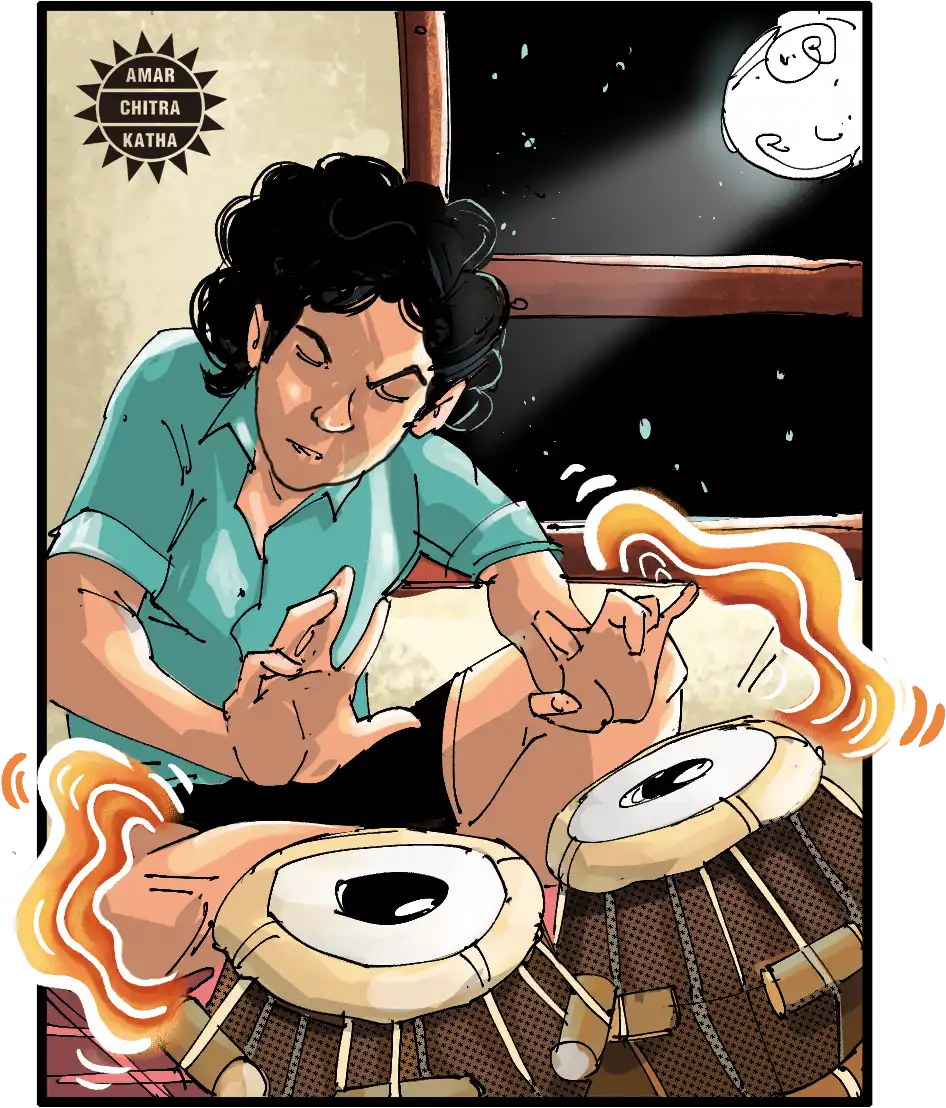
With the advent of virtual instruments and rising material costs, the shrinking market and slow returns are now making it increasingly difficult to sustain the craft.
For more than 150 years, the town of Miraj in Maharashtra has been a centre for making string instruments. A Miraj sitar begins with simple materials: a dried bhopla or gourd for the resonator; teakwood for the body; metal strings; and traditionally, deer horn for the bridge. Each is carefully prepared—the gourd dried, the wood shaped and polished, and the strings fitted by hand. But the real skill lies in crafting the jawari, the bridge that gives the sitar its distinctive sound. Shaping it takes years of practice and a finely trained ear.
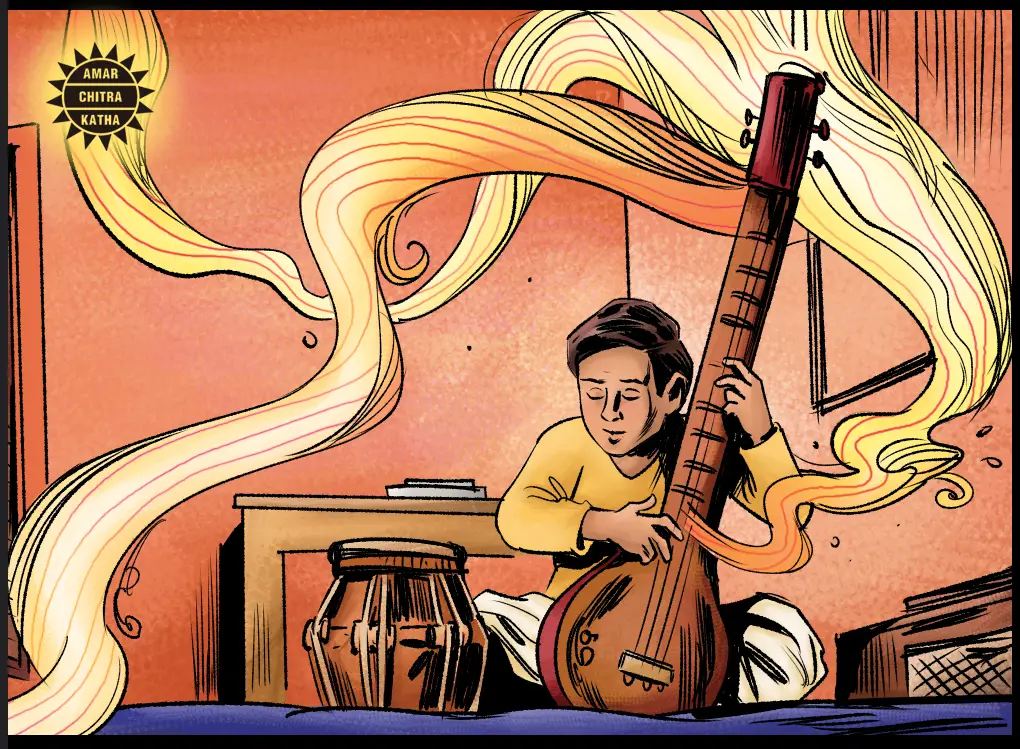
Today, younger generations of Miraj’s instrument-making families are increasingly moving towards other careers. As fewer young people take up the craft, the wealth of specialised knowledge accumulated over generations, risks disappearing with the people who carry it.
These communities are only the tip of the iceberg. India has many such communities whose knowledge and craftsmanship have shaped the sounds of our music. We remember musicians for the music they leave behind. Let us also remember the people who make that music possible. Their knowledge lives in the grain of wood, the tension of hide, the shape of a reed—and in years of experience that can be almost impossible to put into words.
Today, these craft communities face changing livelihoods, scarce materials and fewer young people taking up the craft. When a community disappears, we lose more than an instrument—we lose generations of knowledge that may never be recovered.
Perhaps the first step towards keeping these communities visible is simply to become more curious. Who made the instrument? Who gets to be recognised as an expert in music? What happens when the materials run out or the craft can no longer provide a livelihood? And what happens to all that knowledge when there is no one left to pass it on?
Check out our latest title, Musicians of India, to read about the musicians we know and love.
Read more about Indian History, Mythology and Culture at our very own ACK Comics App.
To receive more such stories in your Inbox & WhatsApp, Please share your Email and Mobile number.
Comic of The Month
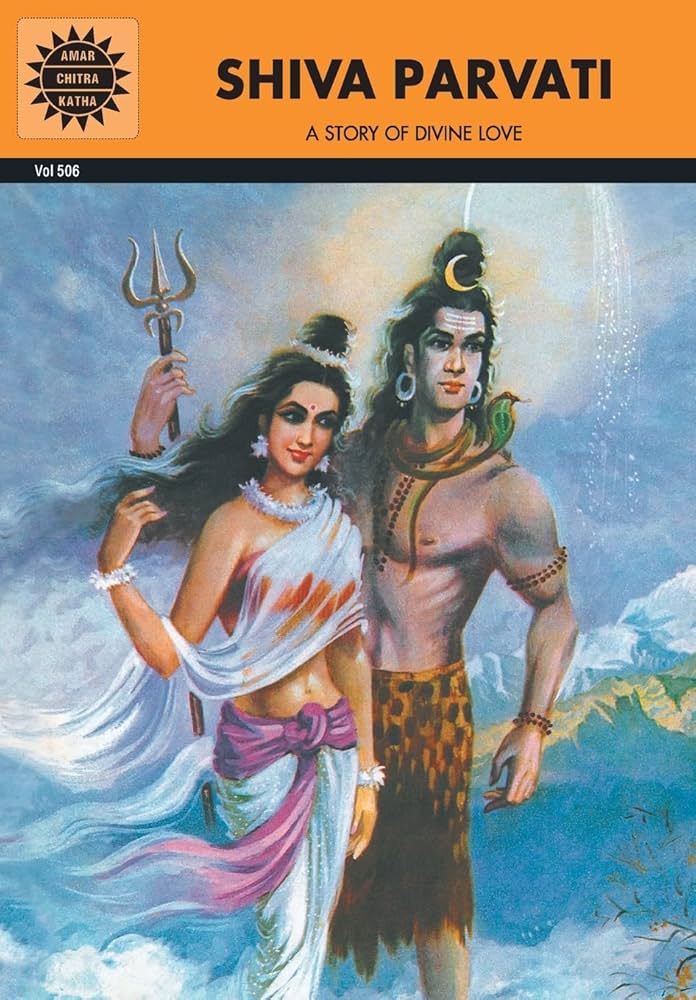
Shiva Parvati
A powerful demon threatens the gods in their heaven. They need a savior, who, Lord Brahma decrees, will be the son born to Shiva and Parvati. But Shiva, a badly-dressed, untidy, solitary ascetic, seems to enjoy bachelorhood. Even Parvati's unmatched beauty aided by Kama, the god of love, seems unequal to the task of enchanting the stern lord. This illustrated classic is based on Kumara Sambhava of Kalidasa.