




Kunti, Gandhari, Draupadi: The Shapers of Destiny
- March 8, 2026

Kunti, Gandhari, Draupadi: The Shapers of Destiny
- March 8, 2026
by Shree Sauparnika V
In the vast, tumultuous tapestry of the Mahabharata, the sound of clashing steel and the speeches of heroes often take centre stage. But if we look past the dust of the battlefield, we see that the epic’s foundation was laid not only by the warriors, but also by three powerful women. Kunti, Gandhari, and Draupadi were the true architects of the era, transforming their personal trials into political and moral masterstrokes that defined the very destiny of Bharatavarsha.
On Women’s Day, we explore the specific textual moments where these three women made choices that shifted the course of the Mahabharata.
To receive more such stories in your Inbox & WhatsApp, Please share your Email and Mobile number.
After the death of Pandu, Kunti was left with a formidable challenge: raising five princes, single-handedly, in the hazardous political landscape of Hastinapura. She didn’t rely on luck; she relied on strategy.
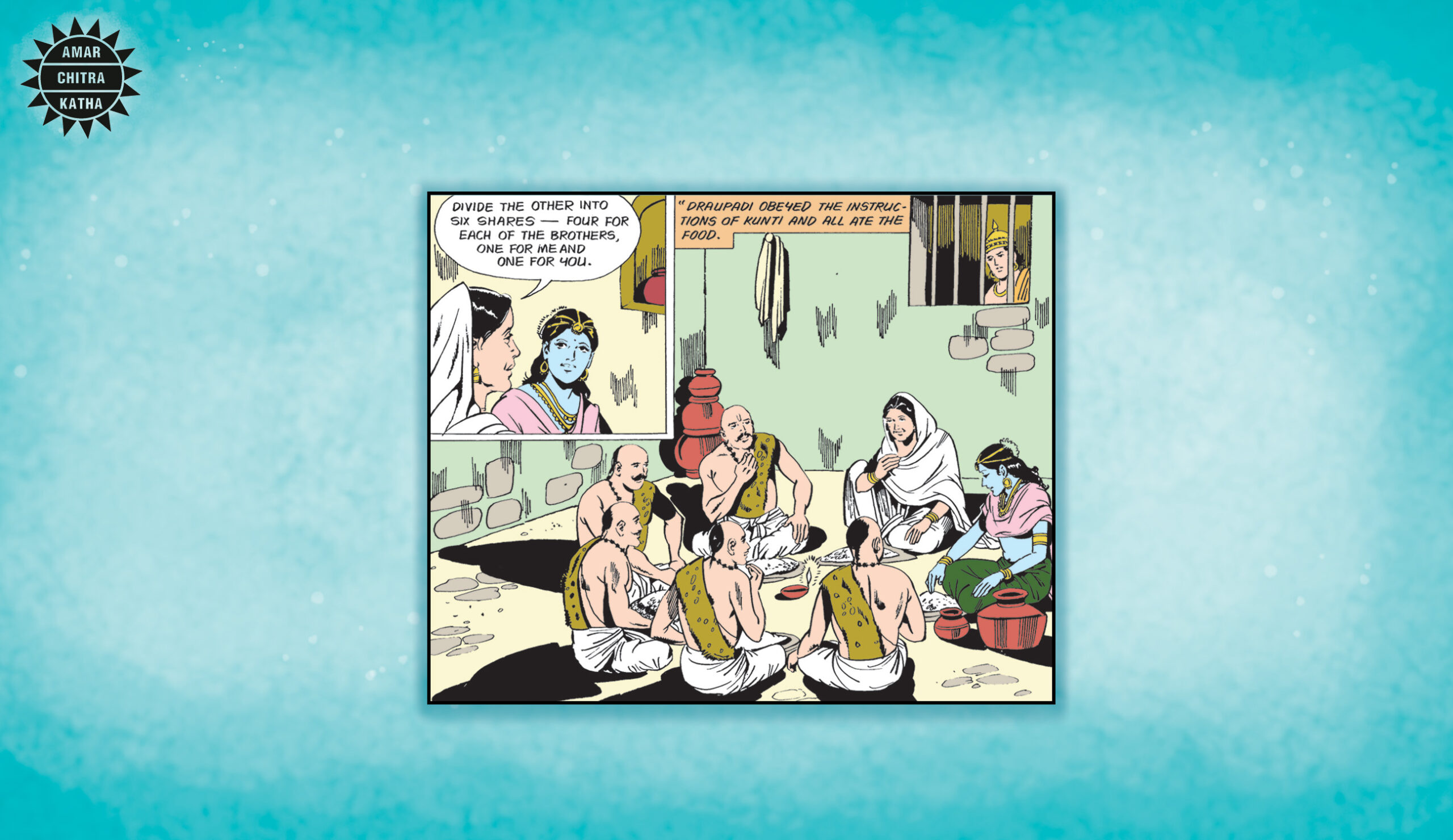
Her defining art of architectural strategy comes in the Adi Parva (Book 1 of the Mahabharat), moments after Bhima and Arjuna return with Draupadi. Not seeing what they have brought, Kunti speaks from within her hut: “Whatever you have brought, share it among yourselves”.
This command, though it initially seems like a mistake, was a political masterstroke. Kunti understood the precarious position of her sons. She knew that if they married five different princesses from five different kingdoms, their internal loyalties would eventually shatter. Divided, they would fall. By binding them to one woman, Draupadi, Kunti ensured the Pandavas remained an unbreakable phalanx. Her legacy was the unshakeable unity that was her sons’ greatest weapon against the hundred Kauravas.
Gandhari is famous for choosing the blindfold, but her true power lay not in denying herself sight, but in possessing unwavering moral vision.
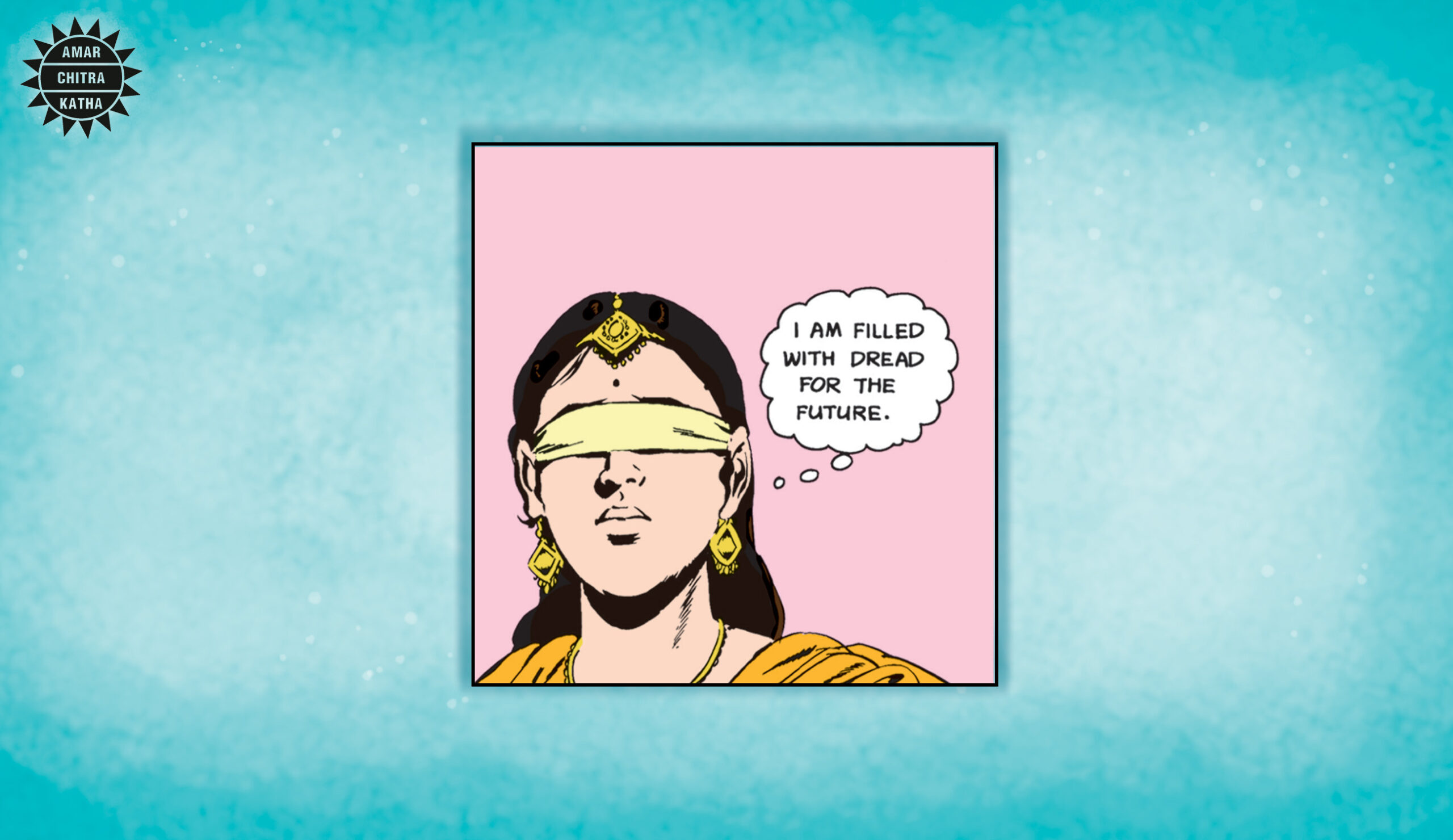
Her legacy is cemented in the Udyoga Parva (Book 5 of the Mahabharat). In the days leading up to the war, Duryodhana, her beloved and ambitious son, approaches her multiple times, begging her for the blessing of “Vijayi Bhava” (be victorious). But Gandhari, the moral sentinel, refuses to prioritise kinship over truth. Her steadfast blessing to him is always:
“Yato Dharmastato Jayah” (Where there is Dharma, there is victory)
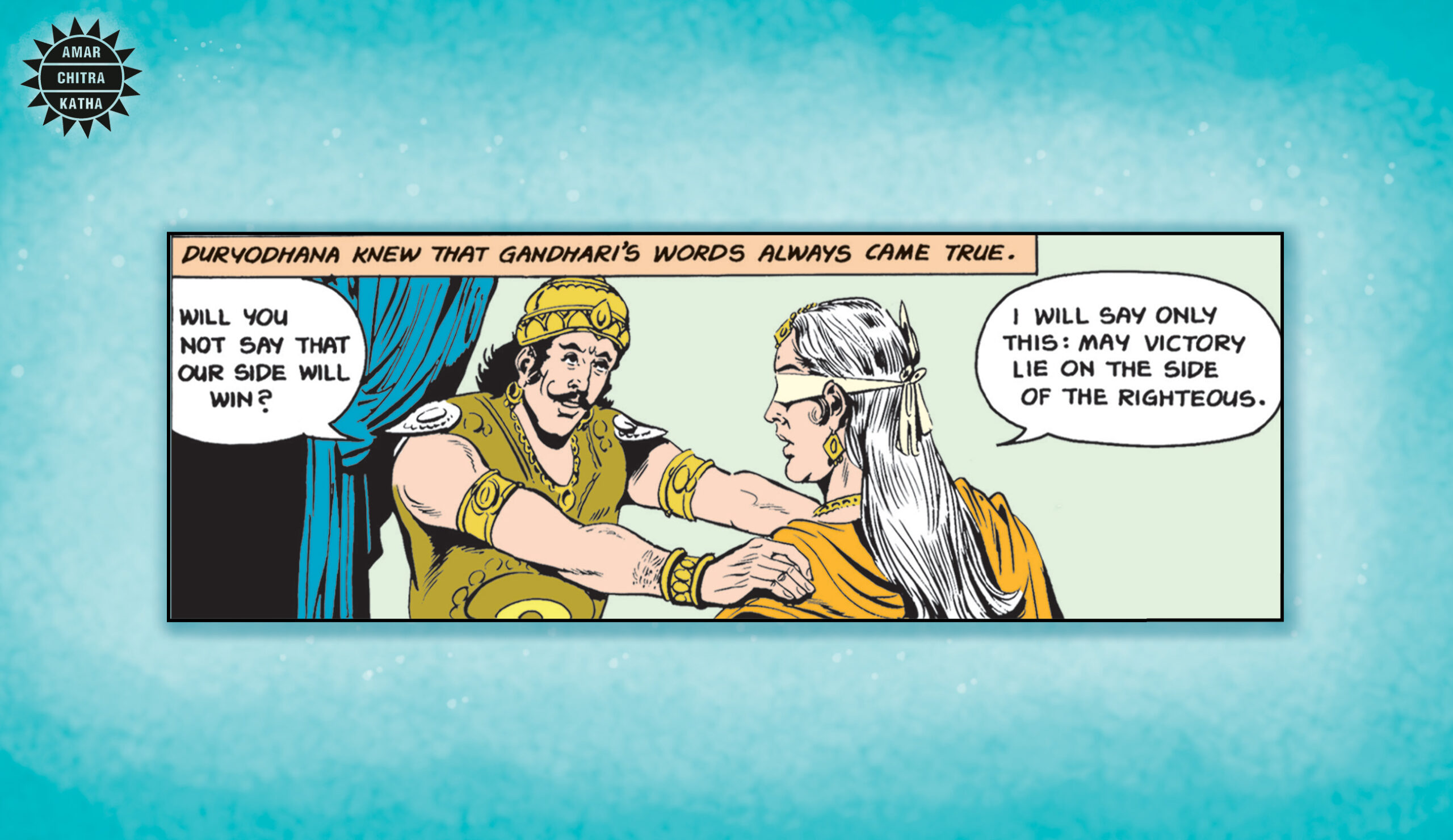
By withholding her blessing of victory, Gandhari executed a moral veto. She established that righteousness (Dharma) is higher than the ambition of a son or the pride of a clan. In doing so, she became the ethical compass of the entire epic, proving that sometimes, the greatest strength is simply refusing to bless the wrong path.
Draupadi is often cited as the cause of the war, but a closer look at the text reveals she was the intellectual catalyst that gave the war its moral purpose.
In the Sabha Parva (Book 2 of the Mahabharat), she is dragged into the court, a victim of her husbands’ gambling. Yet, in that moment of absolute degradation, her intellect shines. Instead of pleading for mercy, she poses a complex technical legal question to the Kuru elders (Bhishma, Drona, and Vidura) and to Yudhishthira:
“Whom did you lose first, O Yudhishthira, yourself or me?”
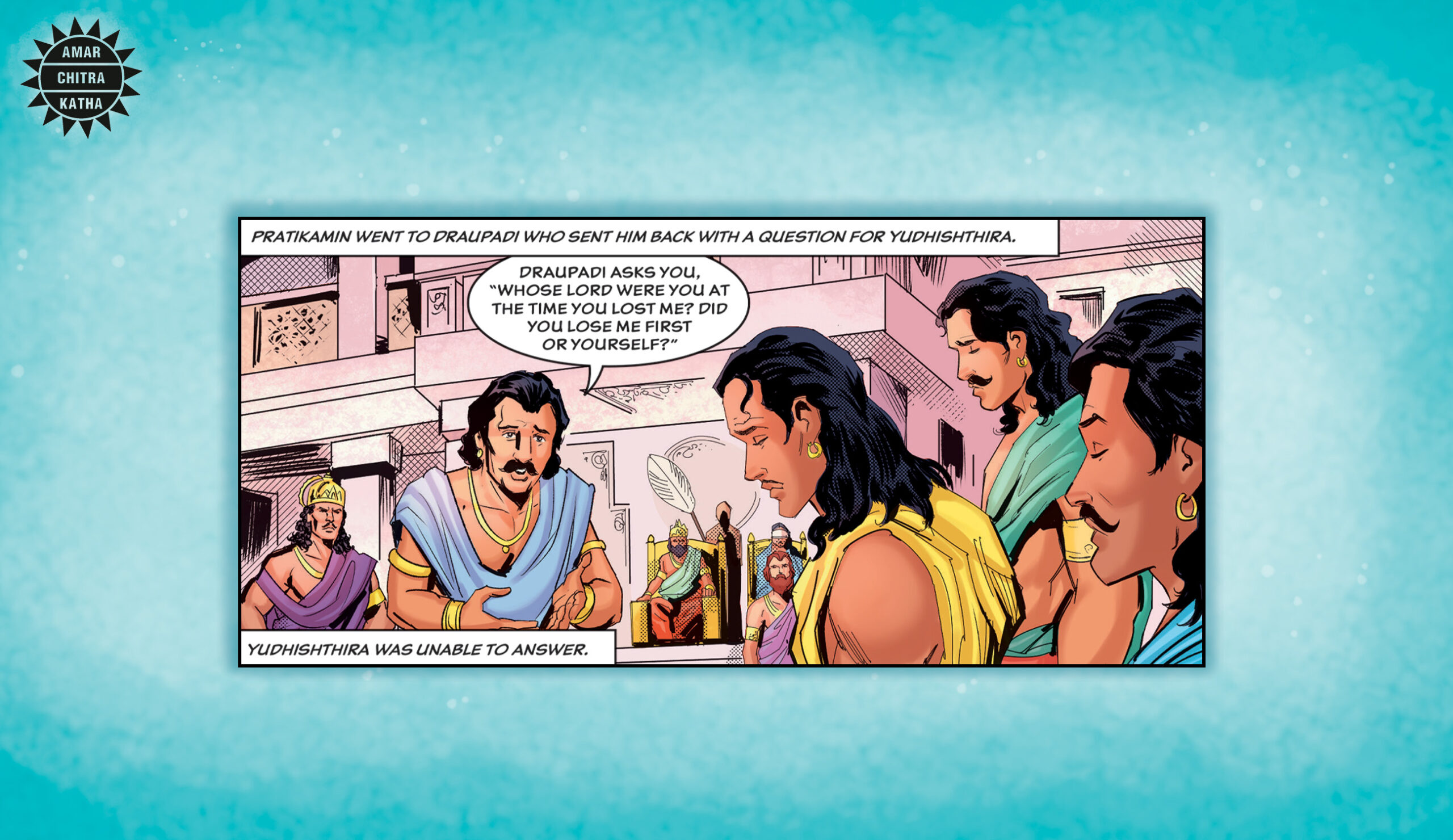
With this one question, Draupadi transformed herself from a helpless property to a powerful jurist. She challenged the entire definition of ownership, marital rights, and the very concept of justice.
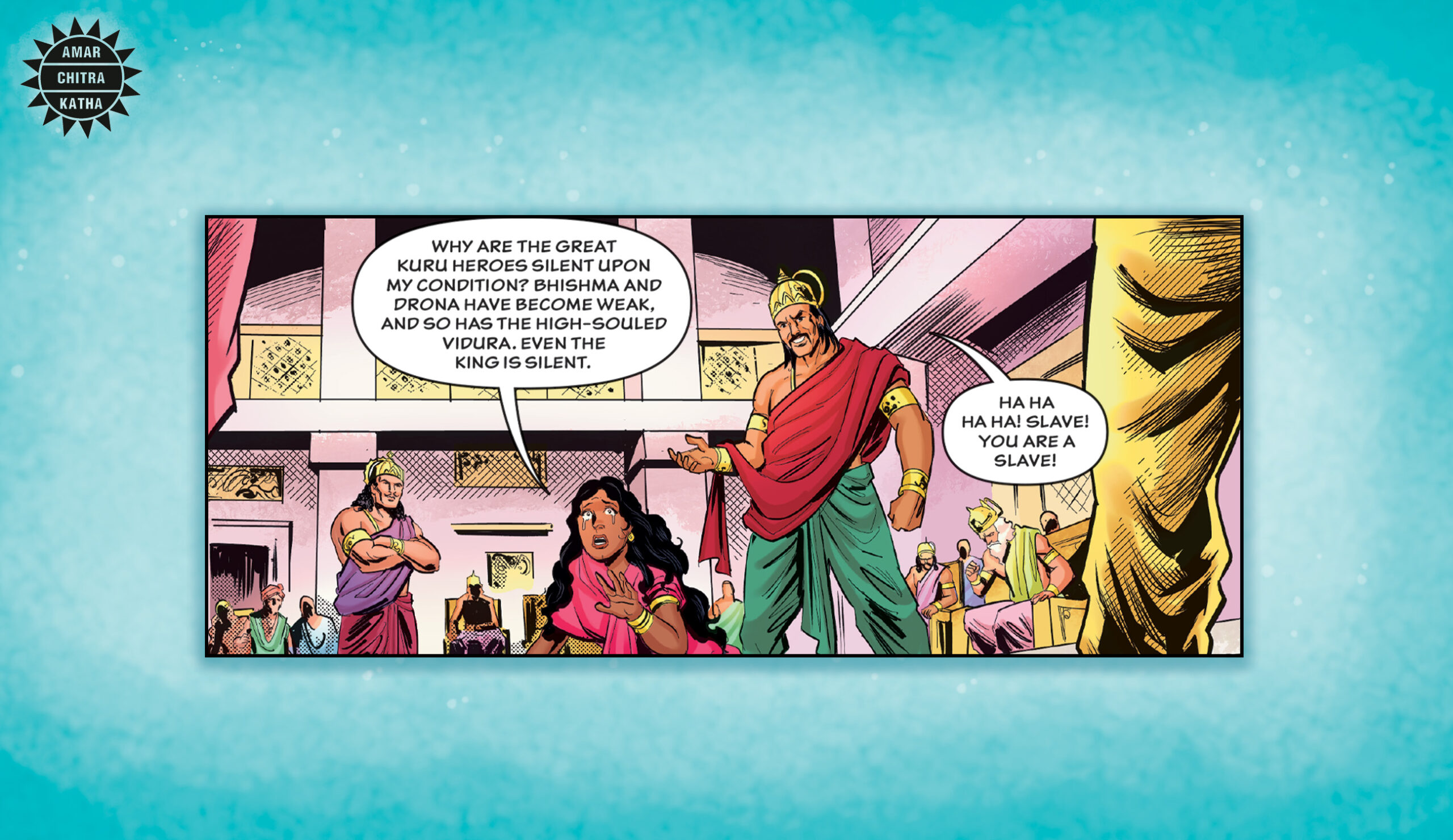
She forced the elders to confront their hypocrisy, shattering the silence that had allowed the game to proceed. Draupadi’s legacy was ensuring that the great war was not just about a throne, but about the fundamental dignity of the feminine soul.
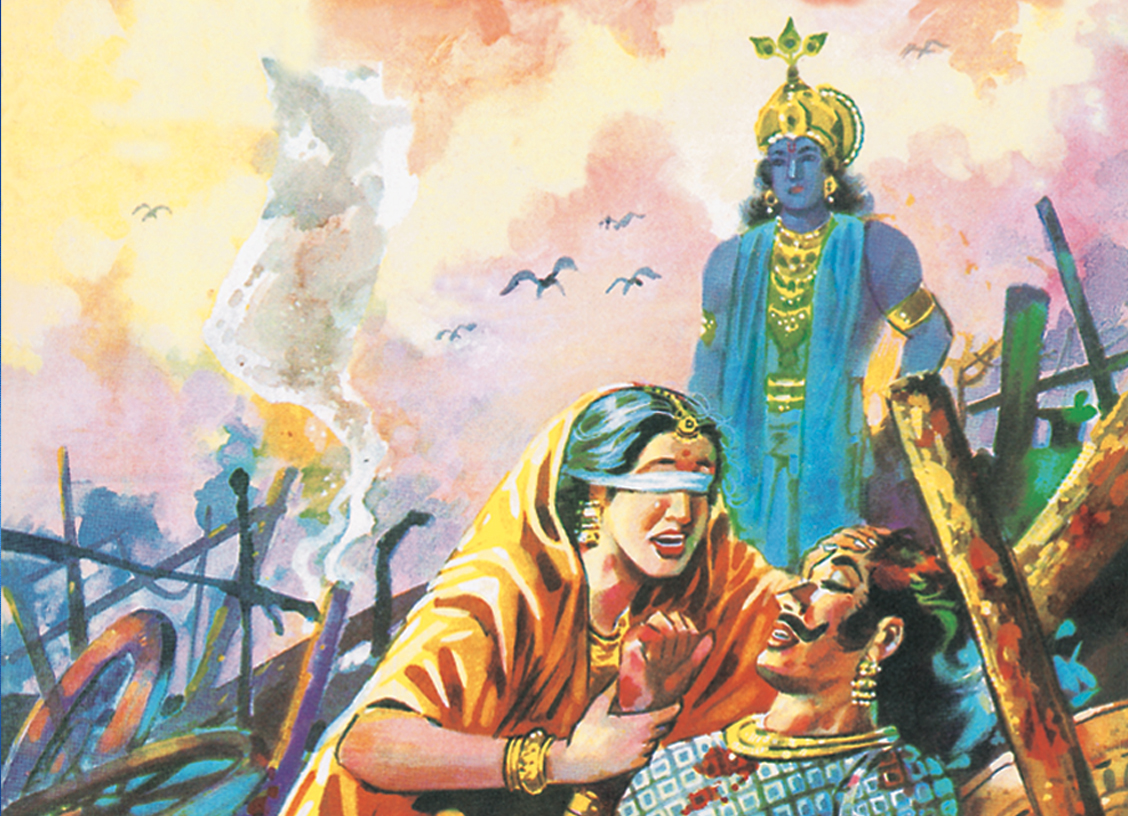
The war ended, as wars do, leaving behind only the women of both sides. In the Stree Parva (Book 11 of the Mahabharat), we see Kunti and Gandhari—once leaders of opposite camps—embracing and sharing a collective grief. They, who were once separated by politics and blood, were now united by the shared experience of loss and resilience.
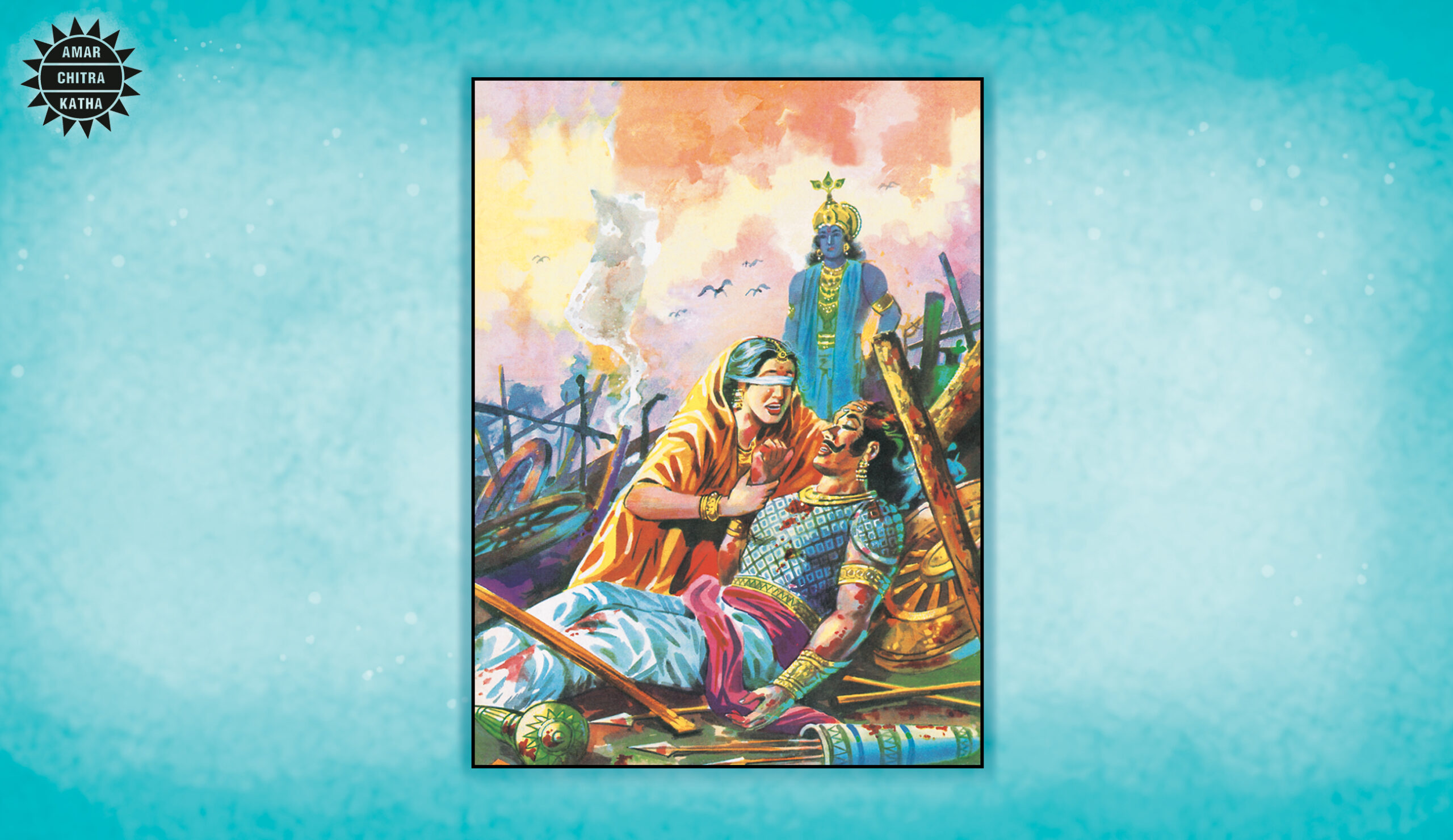
These queens were not perfect, but they were powerful. They navigated a world built by men and carved their own destiny upon its surface. Today, they remain eternal inspirations as resilient architects who teach us that true strength lies in enforcing solidarity, speaking truth to power, and daring to demand justice when the world seems most blind.
Read more stories about Indian History, Mythology and Culture on our very own ACKComics App.
To receive more such stories in your Inbox & WhatsApp, Please share your Email and Mobile number.
Comic of The Month
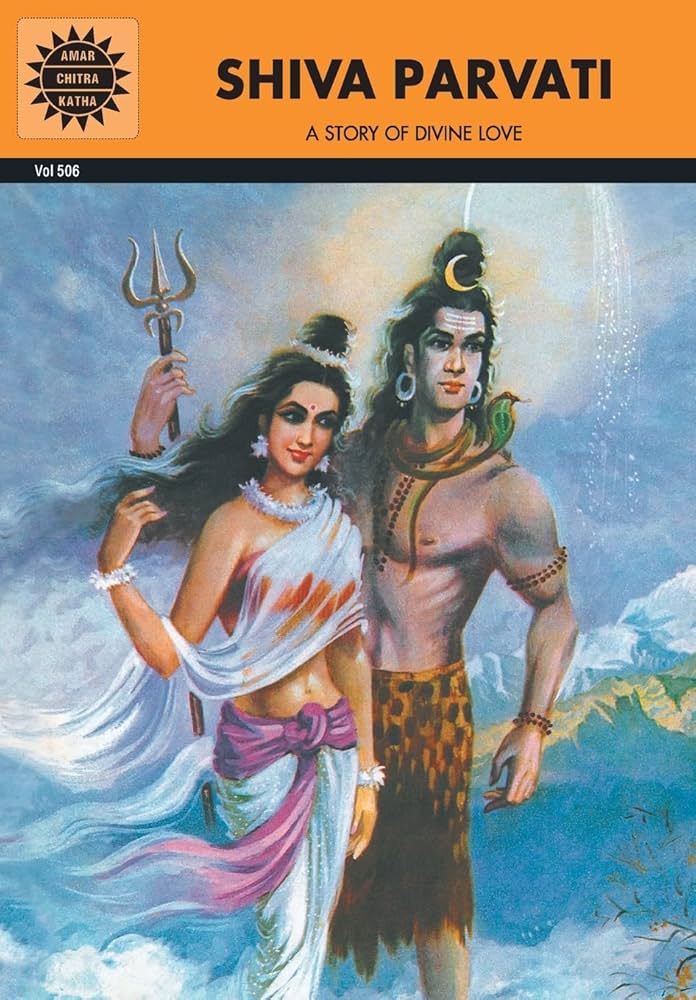
Shiva Parvati
A powerful demon threatens the gods in their heaven. They need a savior, who, Lord Brahma decrees, will be the son born to Shiva and Parvati. But Shiva, a badly-dressed, untidy, solitary ascetic, seems to enjoy bachelorhood. Even Parvati's unmatched beauty aided by Kama, the god of love, seems unequal to the task of enchanting the stern lord. This illustrated classic is based on Kumara Sambhava of Kalidasa.